
 Rachel Mohan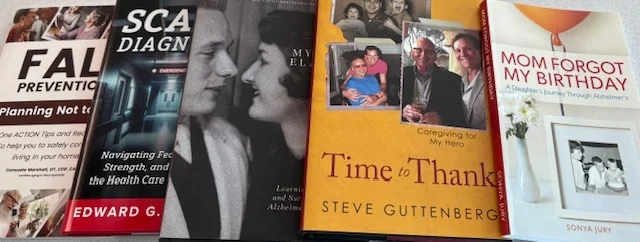
The landscape of caregiving, often characterized by its profound emotional and physical demands, is increasingly being illuminated by literature that offers solace, guidance, and a sense of shared experience. Recent literary contributions delve into the multifaceted realities of caring for loved ones, providing invaluable resources for individuals navigating this complex terrain. This review highlights several significant works that have emerged, offering insights into the challenges, triumphs, and essential self-care practices for caregivers.
"Time to Thank: Caregiving for My Hero" by Steve Guttenberg
Steve Guttenberg’s memoir, "Time to Thank: Caregiving for My Hero," offers a deeply personal and poignant exploration of filial devotion in the face of a parent’s declining health. The narrative centers on Guttenberg’s experience caring for his father, who was diagnosed with kidney failure. This personal journey, marked by weekly travel between Los Angeles and Phoenix, became a period of profound reflection for the celebrated actor.
Chronology of Care and Reflection:
The book chronicles Guttenberg’s commitment to his father’s well-being, detailing the logistical and emotional toll of consistent travel and hands-on care. As he navigates the miles, Guttenberg weaves together reflections on his illustrious Hollywood career with intimate memories of his father’s unwavering support. This dual narrative underscores the universal theme of parental influence, from childhood aspirations to professional stardom.
A Public Figure’s Private Struggle:
"Time to Thank" provides a rare glimpse behind the curtain of a public life, revealing the vulnerability and dedication inherent in caregiving. Guttenberg candidly shares the inherent challenges, the moments of heartbreak, and the unexpected joys that accompany the responsibility of caring for a beloved family member. The memoir serves as a testament to the strength of familial bonds and the transformative power of service.
Broader Implications for Caregivers:
Guttenberg’s narrative resonates with a vast audience of caregivers who face similar circumstances. By drawing back the veil on his personal life, he humanizes the caregiving experience, demonstrating that even those in the public eye grapple with the same emotional complexities and practical demands. His willingness to share this intimate aspect of his life offers a sense of solidarity and understanding for others undertaking similar roles. The book’s release, following a period of increased public awareness around elder care and family support systems, underscores the growing need for relatable narratives that validate the caregiver’s journey.
"My Two Elaines: Learning, Coping, and Surviving as an Alzheimer’s Caregiver" by Martin J. Schreiber
Martin J. Schreiber, former Governor of Wisconsin, presents a powerful and moving account of his experience as a caregiver for his wife, Elaine, who battled Alzheimer’s disease. "My Two Elaines" is not merely a chronicle of a difficult period but a deeply reflective guide for those facing the devastating effects of dementia.
The Evolution of Caregiving:
Schreiber’s central theme revolves around the concept of "learning, coping, and surviving." Each chapter begins with a simple yet profound statement of what he wishes he had known or done differently, offering a unique perspective on how caregivers frame their experiences. These honest admissions are particularly impactful, speaking volumes about the nuanced process of loving and caring for someone as their cognitive abilities decline.
A Guidepost for Others:
The former governor’s calm and measured assessment of his caregiving journey is not rooted in guilt but in a deep understanding of the lessons learned. His insights serve as valuable guideposts for other caregivers, providing practical wisdom gleaned from firsthand experience. The book delves into the struggles, pain, and devastation associated with Alzheimer’s, but also celebrates the moments of joy, connection, and vulnerability that sustained him.
Expert Insights and Practical Advice:
A significant addition to the book is a Q&A section with renowned neuropsychologist Michelle Braun. This collaboration provides readers with expert guidance and practical counsel, further enhancing the book’s utility for individuals caring for loved ones with Alzheimer’s. The inclusion of this expert perspective underscores the multifaceted nature of Alzheimer’s care, encompassing both emotional support and clinical understanding. The book’s publication during a time when Alzheimer’s disease continues to affect millions globally, with a projected increase in diagnoses, highlights its timeliness and relevance.
"Scary Diagnosis: Navigating Fear, Finding Strength and Securing the Health Care You Deserve" by Edward G. Rogoff
Edward G. Rogoff’s "Scary Diagnosis: Navigating Fear, Finding Strength and Securing the Health Care You Deserve" serves as an indispensable guide for individuals confronting serious medical conditions. The book lives up to its promise, offering a comprehensive roadmap for navigating the emotional and practical challenges that arise from a medical diagnosis.
Empowered Experience and Firsthand Knowledge:
Rogoff’s work is rooted in his own lifelong history of confronting daunting medical diagnoses. He shares his experience, strength, and hope with readers, providing practical, tactical, and invaluable information. The book is designed to empower both patients and those who care for them, equipping them with the knowledge to become more informed, capable, and effective participants in their healthcare journey.
A Guidebook for Crisis Management:
This guide is essential for anyone who has faced a significant medical challenge or for those supporting someone through such a crisis. Rogoff breaks down complex issues into actionable advice, demystifying the healthcare system and providing strategies for advocacy and self-preservation. The book’s emphasis on proactive engagement with healthcare providers and the pursuit of deserved care offers a critical perspective in an often overwhelming system. The release of this book aligns with ongoing discussions about patient empowerment and navigating complex healthcare systems, particularly in light of evolving medical technologies and treatment options.
"Mom Forgot My Birthday: A Daughter’s Journey Through Alzheimer’s" by Sonya Jury
Sonya Jury’s "Mom Forgot My Birthday: A Daughter’s Journey Through Alzheimer’s" is a compelling and honest narrative that captures the emotional rollercoaster of caring for a parent with Alzheimer’s. Jury’s storytelling prowess makes this book difficult to put down as she details the day-to-day devastations and triumphs of her caregiving experience.
Authenticity and Candor in Storytelling:
Jury shares her caregiving journey with remarkable authenticity and candor, uncovering the good, the bad, and the ugly aspects of the role. As a storyteller and a courageous caregiver, she imparts the lessons she learned along the way, offering a deeply human perspective on the progression of Alzheimer’s. Her narrative highlights the profound emotional impact on family members, capturing the grief, frustration, and unwavering love that characterize such relationships.
Uniting Caregivers Through Shared Experience:
By sharing her deeply personal story, Jury fosters a sense of community among those on similar, yet unique, caregiving paths. Her courage and candor provide a beacon of hope, reminding readers that they are not alone in their struggles. The book’s relatable portrayal of the disease’s impact on family dynamics and the caregiver’s emotional well-being resonates with a broad audience. The ongoing societal engagement with Alzheimer’s, including increased research funding and public awareness campaigns, makes narratives like Jury’s particularly impactful in humanizing the disease and its effects on families.
"Fall Prevention: Planning Not to Fall" by Consuela Marshall, OT, CDP, CAPS
Consuela Marshall, an Occupational Therapist, Certified Dementia Practitioner, and Certified Aging-in-Place Specialist, offers a critical and practical guide to maintaining safety and independence at home with "Fall Prevention: Planning Not to Fall." This book is an essential resource for individuals seeking to proactively address the risks associated with falls.
31 Practical Action Tips:
The book is packed with 31 actionable tips that are designed to be preventative, simple, easy to implement, and highly effective in averting life-threatening falls. Marshall’s approach emphasizes practicality and accessibility, ensuring that readers can readily incorporate these strategies into their daily lives. The advice provided is not only easy to follow but is also presented in an engaging manner through the inclusion of true-life stories that underscore the importance of each preventative measure.
Wisdom, Grace, and Humor for Safe Living:
Marshall infuses the pages with grace, wisdom, and humor, making the critical subject of fall prevention approachable and even enjoyable. The book offers the best advice for living a long, safe, and fulfilling life at home, acknowledging the emotional and practical aspects of maintaining independence as one ages. The focus on home safety is particularly relevant given the increasing number of seniors who wish to age in place, a trend supported by data indicating a preference for home-based care over institutional settings.
The Importance of Self-Care for Caregivers
Integral to navigating the demanding role of a caregiver is the practice of self-care. The literature reviewed consistently underscores that a caregiver’s well-being is not a luxury but a necessity for sustained, effective care. This principle is further embodied in the author’s own work, "Self-Care for Caregivers: A Practical Guide to Caring for You While You Care for Your Loved One."
A Daily Companion for Well-being:
This daily reader offers one tip, strategy, or suggestion on each page, specifically designed to support caregivers in their own well-being. The accessible format makes it easy for busy caregivers to integrate self-care into their routines. Recognizing the time constraints faced by many in this role, an audio version is also available, allowing for engagement on the go. The emphasis on practical, bite-sized advice is crucial for a demographic that often struggles to find dedicated time for personal care.
Empowering Caregivers:
The author’s mission, born from her own caregiving journey, is to share the lessons learned about becoming an empowered caregiver. By providing practical tools and strategies, the book aims to empower individuals to care for themselves as they tirelessly care for others. The call for feedback and reviews highlights the author’s commitment to continuous improvement and her desire to build a supportive community for caregivers. The book’s availability in various formats and its direct address to the caregiver community reflect a growing recognition of the need for dedicated resources that prioritize the caregiver’s own health and resilience. The overarching message from these diverse literary works is clear: caregiving is a profound journey that requires knowledge, resilience, and, most importantly, self-compassion.