 admin
admin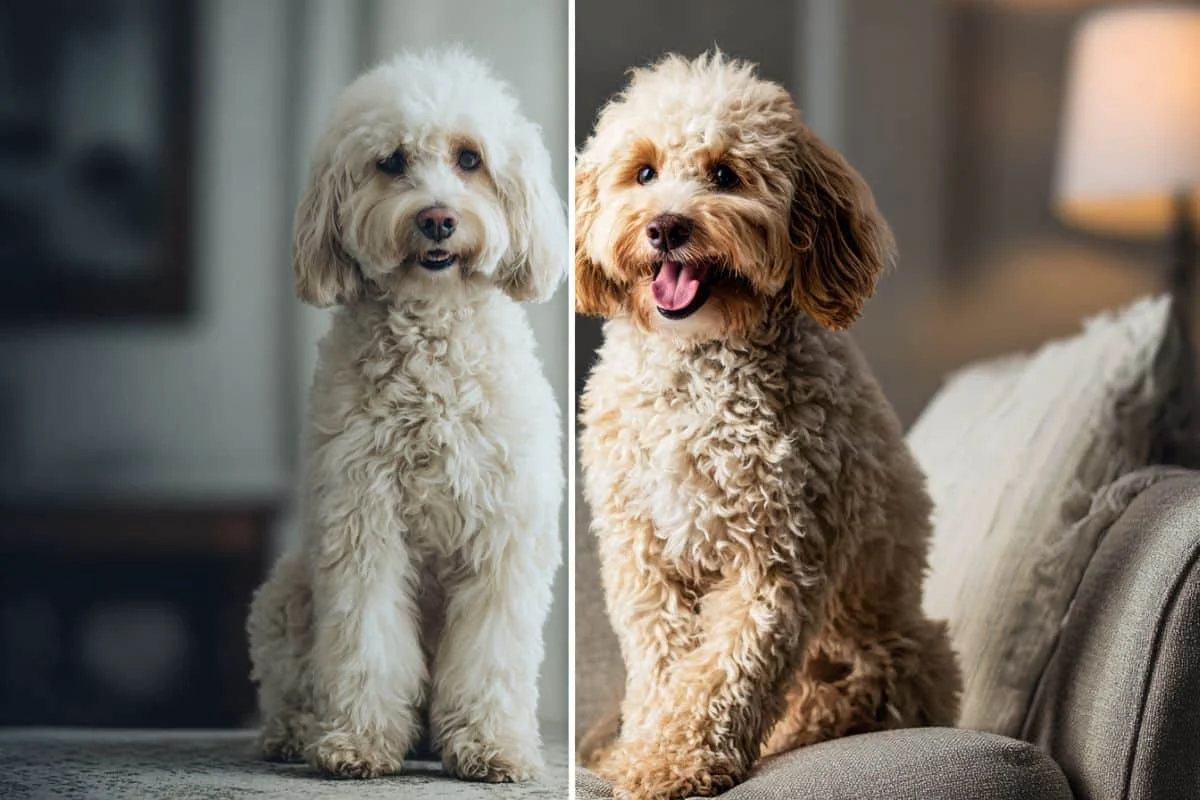
A groundbreaking large-scale survey involving over 9,400 dogs has significantly challenged the widespread belief that popular "designer" crossbreeds—specifically Cockapoos, Cavapoos, and Labradoodles—are inherently better behaved or easier to train than their purebred progenitor breeds. The comprehensive study, which utilized the Canine Behavioural Assessment and Research Questionnaire (C-BARQ), found that these highly sought-after hybrids frequently display more undesirable behavioral traits, raising important questions about pet owner expectations and canine welfare.
The research, led by Gina Bryson and colleagues at the Royal Veterinary College, U.K., and published on March 19, 2026, in the open-access journal PLOS One, meticulously compared the behavioral profiles of the three crossbreeds against their respective purebred parents: Poodles, Cavalier King Charles Spaniels, Labrador Retrievers, and Cocker Spaniels. The findings indicate a complex picture, with Cockapoos emerging with the highest frequency of unwanted habits, including heightened aggression and excitability, while Labradoodles demonstrated a more balanced, and in some cases, improved, behavioral profile compared to certain purebred ancestors.
The Rise of the "Designer Dog" Phenomenon
The late 20th and early 21st centuries witnessed an unprecedented surge in the popularity of "designer" crossbreeds. This trend, often fueled by celebrity ownership, social media aesthetics, and the promise of specific traits like hypoallergenic coats or a perceived "hybrid vigor" (the idea that crossbreeds are inherently healthier or more robust than purebreds), has led to a booming market for these animals. Breeds like the Labradoodle, originally developed in Australia in the late 1980s by Wally Conron for a visually impaired woman who needed a guide dog that wouldn’t aggravate her husband’s allergies, quickly captured public imagination. The subsequent creation of other "doodles" and "poos" followed suit, capitalizing on the desirable traits of Poodles—intelligence, trainability, and low-shedding coats—combined with the temperaments of other popular breeds.
The underlying assumption driving this demand has often been that these crosses would inherit the best of both worlds: the robust health sometimes associated with mixed breeds and the appealing characteristics (both physical and temperamental) of their purebred lineage. Many prospective owners harbored expectations that these hybrids would be inherently calmer, more amenable to training, or particularly suited for families with children. However, until recently, robust scientific investigation into these behavioral claims remained scarce, allowing anecdotal evidence and marketing narratives to largely dictate public perception. This study aimed to fill that critical gap, providing empirical data to inform prospective dog owners and the wider veterinary and animal welfare communities.
Methodology: A Deep Dive into Canine Behavior
To achieve their objective, Bryson and her team leveraged the Canine Behavioural Assessment and Research Questionnaire (C-BARQ), a scientifically validated and widely recognized tool for evaluating dog behavior and temperament. Developed by Dr. James Serpell and his colleagues at the University of Pennsylvania, the C-BARQ is a comprehensive survey completed by dog owners, assessing their pets across 14 different behavioral subscales, encompassing traits such as aggression (owner-directed, stranger-directed, dog-directed), fear (stranger-directed, dog-directed, non-social), separation anxiety, excitability, attachment and attention-seeking, and more. Each scale comprises multiple questions, allowing for a nuanced and detailed profile of a dog’s typical reactions and tendencies.
The study meticulously collected C-BARQ data from a substantial cohort of 9,402 U.K. dog owners. This extensive dataset included Cavapoos (Poodle x Cavalier King Charles Spaniel), Labradoodles (Poodle x Labrador Retriever), Cockapoos (Poodle x Cocker Spaniel), and their purebred progenitor breeds. All dogs included in the study were acquired aged 16 weeks or younger from January 1, 2019, ensuring a relatively consistent baseline for early development and socialization experiences. The large sample size significantly enhances the statistical power and generalizability of the findings, making the conclusions highly credible within the scientific community. By comparing the C-BARQ scores across 12 distinct behavioral traits for each crossbreed and its purebred parents, the researchers were able to draw direct, data-driven conclusions about their temperamental differences.
Key Behavioral Differences Unpacked
The analysis yielded revealing insights into the behavioral landscapes of these popular crossbreeds. Across 72 total comparisons (3 crossbreeds x 2 progenitors x 12 C-BARQ scales), the study found that designer crossbreeds exhibited more undesirable behaviors than at least one of their progenitor breeds in a significant 44.4 percent of comparisons. Conversely, they showed fewer problem behaviors in only 9.7 percent of comparisons, with no notable difference found in the remaining 45.8 percent.
-
Cockapoos: The Most Challenging Profile
Cockapoos, a cross between Cocker Spaniels and Poodles, consistently displayed the most undesirable behaviors among the three designer crossbreeds studied. They scored worse than their progenitor breeds in 16 out of 24 possible comparisons. Specific areas of concern included owner-directed aggression, stranger-directed aggression, and high levels of excitability. These findings suggest that the combination of traits from their parent breeds, which include the often high-energy and sometimes sensitive Cocker Spaniel and the intelligent but occasionally high-strung Poodle, may not always result in the calm, easy-going temperament many owners anticipate. The increased propensity for aggression towards owners and strangers, coupled with elevated excitability, points to a potential need for more intensive training, socialization, and management strategies for this particular crossbreed. -
Cavapoos: Excitability and Anxiety
Cavapoos, a mix of Cavalier King Charles Spaniels and Poodles, also exhibited a notable number of undesirable traits. They scored worse than their progenitors in 11 out of 24 comparisons. Key issues identified included excitability, separation problems, and dog-directed fear. While Cavalier King Charles Spaniels are generally known for their affectionate and gentle nature, and Poodles for their intelligence, the combination in Cavapoos appears to amplify certain anxiety-related behaviors and general excitability. Separation anxiety can be particularly distressing for both dogs and owners, often leading to destructive behaviors, excessive barking, and significant welfare concerns if not addressed effectively. Dog-directed fear can manifest as reactivity or withdrawal in social settings, impacting a dog’s quality of life and the ease of walks or interactions in public spaces. -
Labradoodles: A More Balanced Outcome
In contrast to Cockapoos and Cavapoos, Labradoodles (Poodle x Labrador Retriever) presented a more nuanced and, in some aspects, more favorable behavioral profile. While they scored worse than their progenitors in five behaviors, they notably scored better in six others. For instance, Labradoodles demonstrated less owner-directed aggression and dog-directed aggression than purebred Poodles. This suggests that the Labrador Retriever’s typically friendly, outgoing, and stable temperament may temper some of the less desirable traits sometimes observed in Poodles, resulting in a more balanced hybrid. This particular finding provides some scientific backing for the initial intent behind the Labradoodle’s creation—to produce a well-tempered, allergy-friendly companion. However, it is crucial to note that "better" in some aspects does not equate to perfection, and careful consideration of individual dog temperament and breeding practices remains vital.
Expert Perspectives and Industry Reactions
The study’s findings have resonated within the veterinary and animal behavior communities. Gina Bryson and her co-authors emphasized the critical need for wider awareness of potential crossbreed behavior issues to support dog welfare and enable safe, rewarding dog ownership. "Our research highlights that the rapid rise in popularity of designer dogs has outstripped our understanding of their actual temperament and welfare needs," stated Bryson. "Prospective owners often make decisions based on perceived traits rather than evidence, which can lead to unmet expectations and significant challenges."
Veterinary professionals often encounter dogs with behavioral issues, and this research provides empirical data to inform their advice to clients. Dr. Sarah Jones, a veterinary behaviorist not involved in the study, commented, "This study underscores what many of us in practice have observed anecdotally. While every dog is an individual, certain crosses do seem to present with a higher predisposition to specific challenges. It’s not about condemning these breeds, but about promoting informed choice and responsible ownership, ensuring owners are equipped to handle potential complexities."
Organizations focused on animal welfare, such as the British Veterinary Association (BVA) and various breed-specific clubs, are likely to view these findings as a call to action. While purebred clubs have long championed responsible breeding practices and health testing within their specific breeds, the unregulated nature of much of designer dog breeding has been a growing concern. "The BVA consistently advocates for responsible breeding, regardless of whether a dog is purebred or a crossbreed," stated a hypothetical spokesperson from the BVA. "This research reinforces the importance of genetic health screening, temperament assessments, and transparent breeding practices for all dogs, to ensure good welfare outcomes for puppies and their future owners."
Dog trainers and behavior consultants will also find the data valuable. "Understanding breed predispositions is a crucial part of developing effective training plans," noted Mark Thompson, a certified professional dog trainer. "For Cockapoos and Cavapoos, this study suggests a higher likelihood of excitability, aggression, or separation issues. This means owners of these breeds might need to invest more heavily in early socialization, positive reinforcement training, and potentially professional guidance from a young age to prevent problems from escalating."
Implications for Owners, Breeders, and Dog Welfare
The implications of this study are far-reaching, affecting prospective owners, current dog owners, breeders, and the broader animal welfare landscape.
-
For Prospective Owners: The research serves as a vital reminder that choosing a dog should extend beyond aesthetic appeal or perceived "cuteness." Potential owners of designer crossbreeds, particularly Cockapoos and Cavapoos, should approach their decision with realistic expectations. They must be prepared for the possibility of significant behavioral challenges, including a higher propensity for aggression, excitability, or separation anxiety, which may require substantial time, effort, and financial investment in training and management. Due diligence in researching breeders, asking about parent temperament, and understanding the specific needs and potential pitfalls of their chosen crossbreed is paramount. Avoiding "impulse buys" driven solely by trend or appearance is crucial for long-term owner satisfaction and canine welfare.
-
For Current Owners: For those already sharing their lives with Cockapoos, Cavapoos, or Labradoodles, these findings are not a judgment but an opportunity for greater understanding. Owners experiencing behavioral issues now have scientific context for their struggles and can seek targeted professional help. The study highlights the importance of continued socialization, consistent training, and recognizing early signs of stress or behavioral problems. For example, owners of Cavapoos exhibiting signs of separation anxiety can implement specific counter-conditioning and desensitization protocols, often with the help of a certified professional dog trainer or veterinary behaviorist.
-
For Breeders: The study delivers a strong message to breeders of designer crossbreeds. The practice of breeding should prioritize health and temperament above all else. Ethical breeders should conduct comprehensive health testing on parent dogs, rigorously assess temperament, and be transparent with prospective buyers about the potential behavioral predispositions of their puppies. Moving away from purely market-driven breeding to a more welfare-focused approach is essential. This includes providing appropriate early socialization for puppies and educating new owners thoroughly. The findings also underscore the need for further research into the genetic underpinnings of these behavioral traits in crossbreeds.
-
For Dog Welfare: Unmet expectations and unresolved behavioral issues are significant contributors to dog relinquishment to shelters and, in severe cases, euthanasia. Dogs with persistent aggression, anxiety, or destructive behaviors are often misunderstood and can become difficult to rehome. By shedding light on the behavioral challenges associated with certain designer crossbreeds, this study aims to prevent such outcomes. Better-informed owners are more likely to be prepared for the realities of dog ownership, reducing the risk of abandonment and improving the overall welfare of these popular breeds. Furthermore, the public health implications of increased aggression, even minor, should not be overlooked, as dog bites remain a concern.
Looking Ahead: The Call for Informed Ownership
The research by Gina Bryson and her team is a critical step towards a more evidence-based approach to dog ownership. It debunks long-held myths and provides a foundation for more responsible decision-making in the booming world of designer dogs. While the study does not advocate against owning crossbreeds, it strongly emphasizes the need for awareness, education, and preparation.
Further research is undoubtedly needed to deepen our understanding. Future studies could explore the specific genetic factors influencing these behavioral traits, investigate the impact of early life experiences and socialization on these crossbreeds, and conduct longitudinal studies to track behavioral development over time. Comparing these findings with other popular designer breeds, such as Goldendoodles or Bernedoodles, would also provide a more comprehensive picture of the phenomenon.
Ultimately, the goal is to ensure that the desire for a companion animal is met with realistic expectations and a commitment to responsible care. By promoting informed ownership, fostering ethical breeding practices, and continuing scientific inquiry, we can work towards a future where every dog, regardless of its lineage, has the best possible chance at a happy, healthy, and well-adjusted life, living harmoniously with its human family. The charm of a "designer dog" should be matched by a deep understanding of its true nature and needs, rather than relying on marketing and misconception.
Research Details
Author: Hanna Abdallah
Source: PLOS
Contact: Hanna Abdallah – PLOS
Image: The image is credited to Neuroscience News
Original Research: Open access.
“Comparing undesirable behaviours between ‘designer’ Poodle-cross dogs and their purebred progenitor breeds” by Gina T. Bryson, Dan G. O’Neill, Zoe Belshaw, Claire L. Brand, Rowena M. A. Packer. PLOS ONE.
DOI: 10.1371/journal.pone.0342847