admin
admin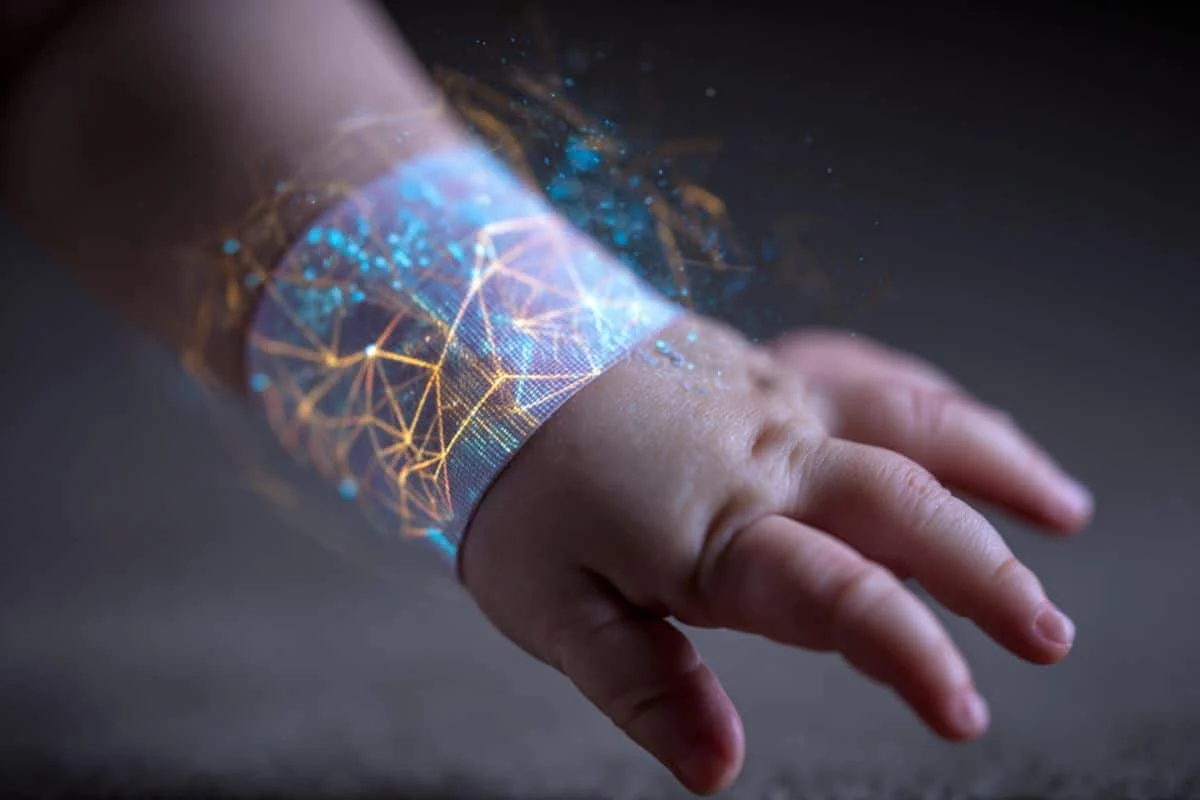
UCLA Health researchers are spearheading a groundbreaking five-year project aimed at revolutionizing the early identification of Autism Spectrum Disorder (ASD) and other developmental conditions in infants. This ambitious initiative, backed by a substantial $3.1 million grant from the National Institute of Neurologic Disorders and Stroke, focuses on developing and testing wearable sensor technology designed to detect subtle motor delays—often the earliest, yet most frequently overlooked, indicators of ASD—in babies as young as three months old. The ultimate goal is to bypass the inherent limitations of traditional pediatric checkups and facilitate immediate access to life-changing early interventions, thereby significantly improving developmental outcomes for affected children.
The Urgent Need for Earlier Detection
Autism Spectrum Disorder is a complex neurodevelopmental condition characterized by challenges in social interaction, communication, and repetitive behaviors. While significant strides have been made in understanding ASD, early diagnosis remains a critical hurdle. The average age of ASD diagnosis in the United States often hovers around four years, with many children receiving a formal diagnosis even later. This delay is problematic because a child’s brain exhibits its highest degree of neuroplasticity—the ability to reorganize and form new neural connections—during infancy and toddlerhood. Intervening during this crucial window can dramatically alter developmental trajectories, enhance adaptive skills, and improve overall quality of life.
Dr. Rujuta Wilson, the study’s lead investigator and a distinguished pediatric neurologist at UCLA Health, underscores the profound impact of timely intervention. "Early detection and intervention are the two most important factors for optimal developmental outcomes in autistic individuals, yet early identification remains a major challenge in autism, despite the fact that we know changes in the brain happen as early as prenatally in those who go on to have autism," Dr. Wilson stated. Her team’s mission is to overcome this challenge by developing "robust clinical predictors of autism that are scalable to the home and clinic."
Traditional developmental screenings during routine well-child visits often focus on observable milestones such as sitting up, crawling, or rudimentary language skills. While important, these assessments frequently miss the subtle nuances of motor development that can be early markers of ASD. Studies have consistently shown that motor difficulties, including issues with coordination, balance, and grasping objects, are as prevalent as, if not more common than, verbal language difficulties in children with autism. Despite their prevalence, these motor concerns are significantly underrecognized and undertreated, even by specialized pediatric neurologists. The cascading effect of untreated motor difficulties can impede a child’s ability to explore their environment, engage socially, and develop essential language and communication skills as they grow, further widening developmental gaps.
Leveraging Wearable Technology: A New Frontier in Diagnostics
The UCLA project introduces a novel approach using miniature sensors, akin to sophisticated fitness trackers, to meticulously monitor infant movements within their natural home environment. These sensors, comfortably integrated into arm and leg warmers, are placed on infants’ wrists and ankles, capturing high-resolution data on how babies move from three months to 12 months of age. Assessments are conducted at three-month intervals, providing a continuous and detailed longitudinal record of motor development.
Unlike standard baby monitors that primarily focus on safety and general activity, these advanced sensors are designed to capture intricate data points such as coordination, limb symmetry, and "movement variability." Movement variability refers to the subtle, almost imperceptible differences in how an infant reaches for an object, kicks their legs, or shifts their weight—minute details that the human eye might easily miss but which can hold significant diagnostic clues. This granular data allows researchers to identify deviations from typical developmental patterns that may signal an increased risk for ASD or other neurological conditions.
The study will recruit approximately 120 infants who are considered to have an increased likelihood of developing autism. This high-risk cohort typically includes infants who have an older sibling diagnosed with Autism Spectrum Disorder, as genetic and familial factors play a significant role in ASD etiology. By focusing on this population, researchers aim to more efficiently identify predictive biomarkers and validate the efficacy of their wearable technology.
Methodology and Timeline: A Deep Dive into the Research Process
The five-year research project officially commenced in January 2024 and is slated for conclusion in December 2030. The timeline for the study is meticulously structured to ensure comprehensive data collection and rigorous analysis:
- Recruitment and Enrollment: Infants with an elevated likelihood of ASD are being recruited, primarily those with an older sibling on the spectrum.
- Sensor Deployment and Data Collection (3-12 months): Wearable sensors are applied to infants’ wrists and ankles. Data is collected continuously in the infants’ homes, capturing real-world movement patterns.
- Interval Assessments (Every 3 Months): At ages 3, 6, 9, and 12 months, researchers conduct behavioral assessments alongside sensor data collection. These assessments include standardized developmental tests to observe key milestones and interactions.
- Formal Diagnostic Assessments (12 and 24 months): At 12 months and 24 months, comprehensive assessments for Autism Spectrum Disorder and other developmental conditions are performed by expert clinicians. This allows researchers to correlate the sensor-derived motor data with definitive diagnostic outcomes.
- Machine Learning Analysis: A critical component of the study involves employing advanced machine learning algorithms. These algorithms will process the vast datasets generated by the wearable sensors, identifying subtle patterns and correlations in movement metrics that are highly predictive of a later autism diagnosis. This data-driven approach aims to create a "battery of movement metrics" that can serve as objective, quantifiable indicators.
- Feedback to Families: A key aspect of the study design emphasizes accessibility and family engagement. Most data collection points can occur in the infants’ homes, reducing the burden on families and enhancing participation from diverse backgrounds. Families receive verbal and written feedback on their infants’ developmental progress and have direct opportunities to discuss any concerns with Dr. Wilson and her specialized study team. This not only supports the participating families but also facilitates a clearer understanding of developmental trajectories.
Building on Previous Success and Future Aspirations
This new grant from the National Institute of Neurologic Disorders and Stroke builds upon promising earlier research from Dr. Wilson’s laboratory at UCLA. Her team has already identified compelling metrics of infant movement variability that demonstrated a high predictive value for a later autism diagnosis. The current project, funded by grant 1R01NS142720-01A1, is designed to validate these initial findings on a larger scale, refine the predictive models using sophisticated machine learning methods, and ultimately explore how these measures can be effectively integrated into routine well-child pediatric visits.
"We are excited to really advance this work through the support of the National Institute of Neurologic Disorders and Stroke to validate these metrics, use machine learning methods to develop a battery of movement metrics that aid in early prediction of developmental concerns, and examine how we can utilize these measures in typical well child pediatric visits," Dr. Wilson explained. "Achieving these goals will allow us improve early surveillance and referral to appropriate interventions."
The vision extends beyond mere detection; it aims for seamless integration into the existing healthcare infrastructure. The ultimate goal is to create an affordable and scalable screening tool that pediatricians can readily use, making early identification accessible to all families, regardless of their geographical location or socioeconomic status.
Broader Implications and Societal Impact
The successful development and implementation of this wearable technology could usher in a new era for ASD diagnosis and intervention, with far-reaching implications for individuals, families, and public health systems.
- For Individuals and Families: The most profound impact will be on the lives of children diagnosed with ASD. Earlier diagnosis translates directly to earlier intervention, which is critical for maximizing developmental potential. Interventions during the highly plastic period of infancy can lead to improved cognitive abilities, enhanced communication skills, better social engagement, and greater independence throughout life. For families, it means reducing the agonizing period of uncertainty and delay, providing them with crucial information and resources sooner. This proactive approach can alleviate significant stress and empower parents to become active participants in their child’s developmental journey.
- For Healthcare Systems: The technology has the potential to transform pediatric developmental screening. By providing objective, quantifiable data on motor development, it could standardize early screening practices and reduce reliance on subjective observations that can vary widely among clinicians. This could lead to a more efficient allocation of healthcare resources, ensuring that high-risk infants are identified and referred to specialists more promptly, potentially reducing the burden on overloaded diagnostic centers. It also aligns with public health goals to reduce health disparities by offering a universally accessible screening tool.
- Economic Impact: Early intervention is not only beneficial developmentally but also economically. Research has consistently shown that investing in early interventions for children with developmental delays can lead to significant cost savings in the long run by reducing the need for more intensive and expensive support services later in life, such as specialized education or long-term care.
- Advancing Research: This project also serves as a catalyst for further research into the neurobiological underpinnings of ASD. By correlating subtle motor differences with later diagnoses, scientists can gain deeper insights into the earliest manifestations of the disorder, potentially leading to the development of new therapeutic approaches.
The project represents a significant leap forward in leveraging advanced technology to address complex public health challenges. By focusing on the earliest and often overlooked signs of autism, UCLA Health researchers are not just developing a new device; they are paving the way for a future where every child with ASD has the opportunity to receive the support they need, precisely when they need it most. The next six years of this study promise to be a critical period for validating this innovative approach and moving it closer to clinical reality, offering a beacon of hope for countless families worldwide.