admin
admin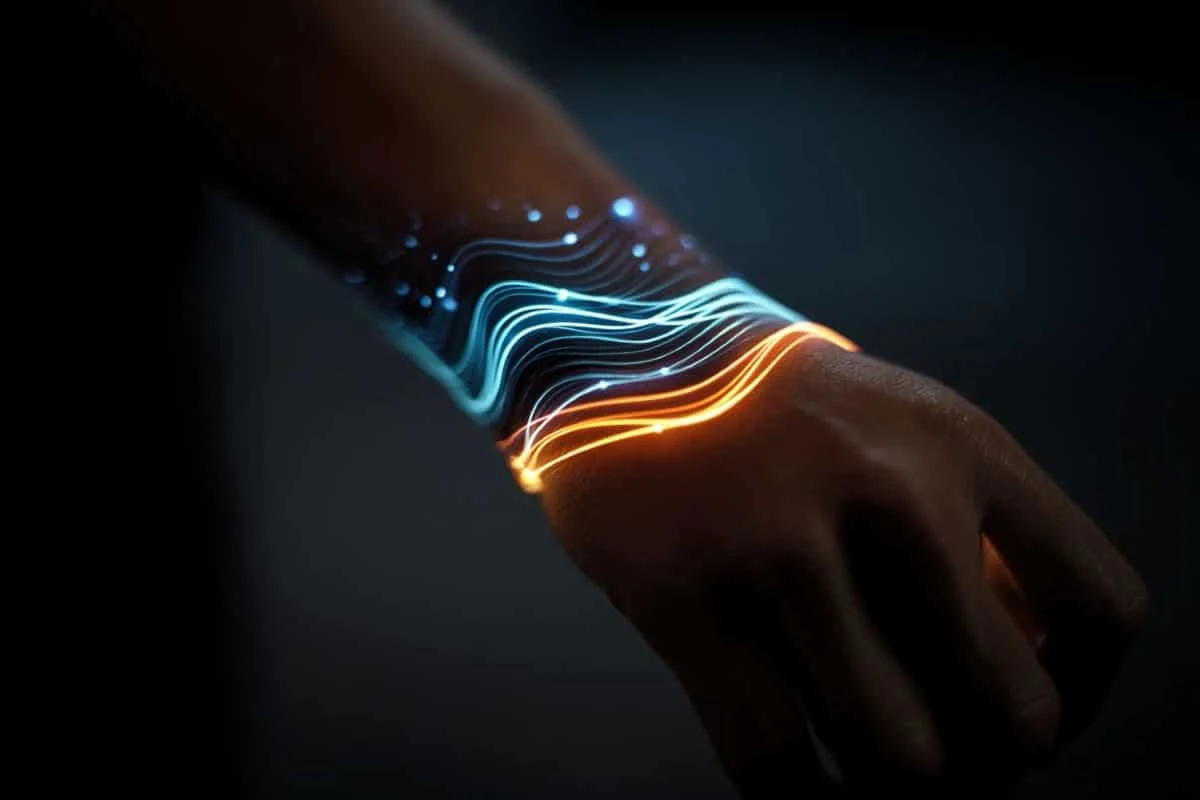
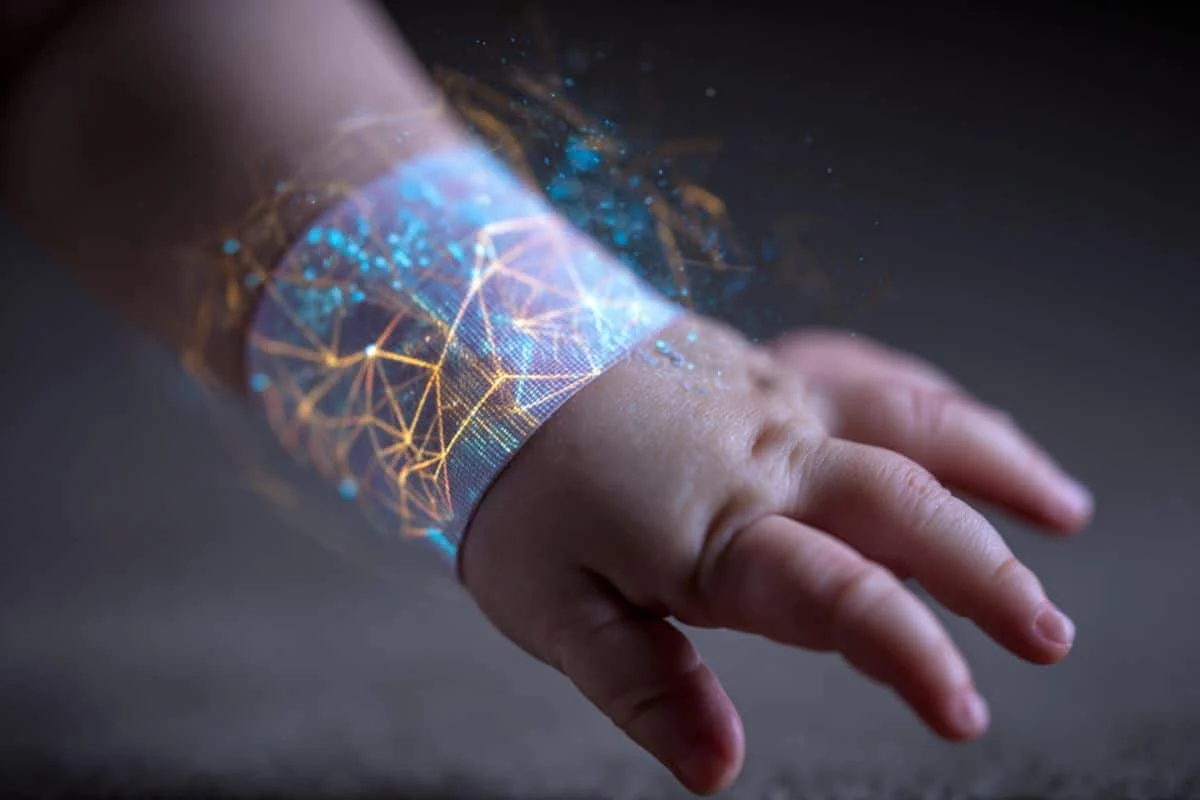
A groundbreaking study originating from the Estonia Research Council is fundamentally challenging the long-held perception of mobile device vibration, moving beyond its traditional role as a simple alert mechanism. Spearheaded by Yulia Sion in her doctoral thesis, this pioneering research introduces the concept of "tactons" – intricately structured vibration patterns meticulously designed to convey complex emotions, foster deeper social connections, and even represent personal memories. This paradigm shift posits vibration not as a mere technical notification, but as a rich, expressive medium, capable of mimicking a reassuring touch for individuals in high-stress situations like public speaking, or providing vital environmental cues for the blind and low-vision community, thereby expanding the bandwidth of human-computer interaction and enriching digital communication.
The Silent Language: Unveiling the Potential of Tactons
At the core of Sion’s transformative work is the re-imagination of haptic feedback. For decades, mobile device vibrations have served a rudimentary function: a buzzing reminder of an incoming call, a new message, or a calendar appointment. This simplicity, while functional, has largely overlooked the profound capacity of touch as a primary sensory channel for human experience and communication. Sion’s research meticulously investigates how these seemingly simple mechanical pulses can be imbued with meaning, evolving into "tactons" – a term coined to denote structured, interpretable patterns of vibration. These patterns go beyond mere on/off states, incorporating variations in rhythm, intensity, duration, and even spatial distribution to create a nuanced vocabulary of touch.
The methodology employed in this research is comprehensive, utilizing a "Research through Design" approach. This involved a multi-faceted strategy combining rigorous experimental studies, the development of innovative wearable prototypes, and extensive co-design sessions with end-users. This iterative and user-centered process was crucial in understanding how people naturally interpret and assign meaning to various tactile stimuli, ensuring that the designed tactons were intuitive and effective in practical contexts. By engaging directly with diverse user groups, Sion’s team was able to validate the emotional and communicative efficacy of these tactile patterns, moving from theoretical possibility to tangible application.
A Brief History of Haptics: From Pagers to the Digital Age
To fully appreciate the significance of Sion’s work, it is important to contextualize it within the broader history of haptic technology. The journey of haptics, or the science of touch, in digital devices began modestly. Early pagers in the 1980s and 90s introduced a silent, discreet way to receive notifications, primarily through a simple, continuous vibration. This was a revolutionary step for its time, offering an alternative to audible beeps and rings, especially in professional or sensitive environments.
As mobile phones became ubiquitous in the late 1990s and early 2000s, exemplified by devices like the Nokia 3310, vibration motors became standard features. However, their function remained largely unchanged: a binary alert system. While some phones offered a limited selection of vibration patterns, these were primarily variations in duration or repetition, still falling short of conveying complex information or emotional states.
The advent of smartphones and smartwatches brought more sophisticated haptic engines, such as Apple’s Taptic Engine, which allowed for finer control over vibration patterns, creating a more "crisp" or "gentle" feel. These advancements have enhanced user experience, providing subtle confirmations for actions like typing or pressing a digital button. Gaming controllers have also been at the forefront of haptic innovation, using rumble features to simulate impacts, engine vibrations, or environmental textures, adding a layer of immersion.
Despite these technological strides, the vast majority of haptic feedback in consumer electronics remains functional rather than expressive. It serves to confirm an action, deliver a generic alert, or simulate a physical interaction. Sion’s research marks a crucial inflection point, proposing that haptics can transcend these utilitarian roles and become a powerful channel for emotional and social communication, mirroring the richness of visual and auditory interfaces. This evolution is particularly vital in an increasingly digital world where physical presence and non-verbal cues are often diminished.
Emotive Applications: Transforming Communication Across Contexts
The practical applications explored in Sion’s doctoral thesis span a diverse range of scenarios, each demonstrating the unique power of tactons.
Social Support for Public Speakers: One compelling area of investigation focused on remote public speaking. The research showed that carefully designed vibrotactile feedback could be interpreted by speakers as a form of social support, akin to a reassuring touch from an audience member or a coach. In an age where virtual presentations are common, speakers often lack the immediate, non-verbal feedback that a live audience provides. A gentle, rhythmic pulse delivered through a wearable device, for instance, could be perceived as encouragement, helping to alleviate anxiety, maintain focus, and boost confidence. Participants in these studies reported a tangible reduction in stress and an enhanced sense of connection, highlighting how tactons can bridge the emotional gap in remote interactions. This has significant implications for professional development, virtual education, and mental well-being in digital environments.
Empowering the Blind and Low-Vision Community: Another profoundly impactful application lies in accessibility. Through co-design sessions with blind and low-vision participants, Sion’s research led to the development of a set of tactile cues specifically designed to convey essential environmental information. Imagine a wearable device that vibrates in a particular pattern to indicate an approaching obstacle, a change in terrain, or the presence of a landmark. This offers a powerful alternative to sound-based navigation systems, which can be less effective in noisy urban environments or when privacy is desired. Haptic cues provide an "eyes-free" and "ears-free" channel, enhancing safety, independence, and spatial awareness for individuals with visual impairments. This could revolutionize navigation tools, smart canes, and public transport information systems, making the world more accessible and navigable.
Representing Personal Memories and Experiences: Perhaps the most abstract yet deeply personal application explored was the translation of personal memories into tactile patterns. Participants were guided through a creative co-design process where they mapped elements of their subjective experiences – the tempo of a joyful moment, the intensity of a nostalgic feeling, the calm of a serene memory – onto specific vibration patterns. For example, a calm memory might be represented by a slow, fading wave-like vibration, while an exciting memory could manifest as a rapid, high-frequency "buzz" mimicking a racing heartbeat. This demonstrates the profound capacity of touch to represent abstract and subjective internal states, opening new avenues for self-expression, therapeutic applications, and even multisensory storytelling, where narratives could be felt as well as seen or heard.
The Co-Design Framework: A Blueprint for Meaningful Haptics
A pivotal contribution of Sion’s doctoral thesis is the introduction of a novel co-design framework for creating expressive tactons. Historically, haptic design has been dominated by technical parameters – frequency, amplitude, duration. This new framework shifts the focus dramatically, supporting designers in translating abstract emotional, experiential, and contextual meanings directly into tactile forms. It provides a structured approach for ideating, prototyping, and refining haptic patterns based on human perception and emotional response, rather than purely engineering specifications.
To facilitate this, the research also introduces practical tools, including advanced wearable vibrotactile devices and a comprehensive haptic design system. These tools empower designers to experiment with a wider range of tactile sensations and to iterate quickly on their designs, making the creation of meaningful haptic feedback more accessible and intuitive. This framework is poised to become a standard for user experience (UX) and user interface (UI) designers looking to integrate richer, more empathetic touch interactions into their products.
Beyond Alerts: Broader Implications and Future Horizons
The implications of Yulia Sion’s research extend far beyond mobile phone notifications, promising to reshape how humans interact with technology and each other in a myriad of contexts.
Enhanced Accessibility: As demonstrated, the benefits for accessibility are immense. Beyond navigation, tactons could provide emotional cues in social interactions for individuals who might struggle with interpreting visual or auditory signals, or offer nuanced feedback in assistive technologies for cognitive impairments.
Enriched Remote Communication: In an increasingly global and digitally connected world, remote communication often lacks the richness of face-to-face interaction. Tactons offer a promising avenue to reintroduce non-verbal cues, emotional presence, and a sense of shared experience, potentially reducing feelings of isolation and enhancing empathy in virtual meetings, online social platforms, and long-distance relationships. Imagine receiving a "hug" or a "pat on the back" from a loved one through a subtle vibration pattern on your wrist.
Wellbeing Technologies: The potential for wellbeing applications is significant. Tactons could be integrated into mindfulness apps to guide breathing exercises, provide calming sensations during moments of stress, or deliver subtle motivational cues for healthy habits. The "reassuring touch" aspect could be leveraged in therapeutic devices for anxiety management or emotional regulation.
Immersive Entertainment and Storytelling: The gaming industry, already a pioneer in haptics, could leverage tactons to create unprecedented levels of immersion. Beyond generic rumble, players could feel the specific emotional state of a character, the texture of a virtual environment, or the subtle presence of an unseen entity. Similarly, multisensory storytelling could evolve, allowing narratives to be experienced not just visually and audibly, but also viscerally through touch.
Safety and Industrial Applications: In industrial settings, tactons could provide critical safety alerts that are immediate, private, and effective even in noisy environments where auditory alarms might be missed. They could also provide nuanced operational feedback to workers, enhancing efficiency and reducing errors without requiring visual attention away from a task.
Challenges and the Path Forward:
While the potential is vast, the widespread adoption of tactons will face certain challenges. Standardization of tactile patterns for universal meanings will be crucial, similar to how visual icons or auditory signals have evolved. Users will also require a learning curve to interpret these new "languages of touch." Hardware limitations, such as the precision and expressive range of current vibration motors, will need to be addressed through continued technological innovation. Privacy concerns regarding the transmission of emotional data through haptics will also require careful consideration and ethical guidelines.
Industry Reactions and Expert Outlook
The research by Yulia Sion, supported by the Estonia Research Council, is being hailed by human-computer interaction specialists and industry observers as a significant leap forward. Experts in the field suggest that this work is a "game-changer" for how we conceive of digital interaction, moving it into a more empathetic and human-centric dimension. User experience designers are likely to embrace the co-design framework as a powerful tool to create richer, more inclusive experiences. Advocacy groups for accessibility will undoubtedly see the immediate potential for enhancing the quality of life for millions.
Major technology companies, which have already invested heavily in advanced haptic engines, are expected to closely monitor and potentially integrate these findings. The push for more intuitive and less screen-dependent interactions, driven by wearables and ambient computing, aligns perfectly with the expressive capabilities of tactons. This research offers a blueprint for creating technologies that not only inform but also genuinely connect with users on an emotional level.
Conclusion: A More Empathetic Digital Future
Yulia Sion’s doctoral thesis marks a pivotal moment in the evolution of digital communication. By meticulously deconstructing and then intelligently reconstructing the humble vibration, her research elevates haptic feedback from a simple alert mechanism to a sophisticated channel for conveying complex emotions, fostering social connections, and representing deeply personal experiences. The concept of "tactons" ushers in a new era of empathetic technology, promising a future where our devices don’t just notify us, but genuinely understand and communicate with us through the profound, universal language of touch. This work, stemming from the Estonia Research Council, is not merely an academic exercise; it is a foundational step towards a more inclusive, emotionally intelligent, and human-centered digital world.