admin
admin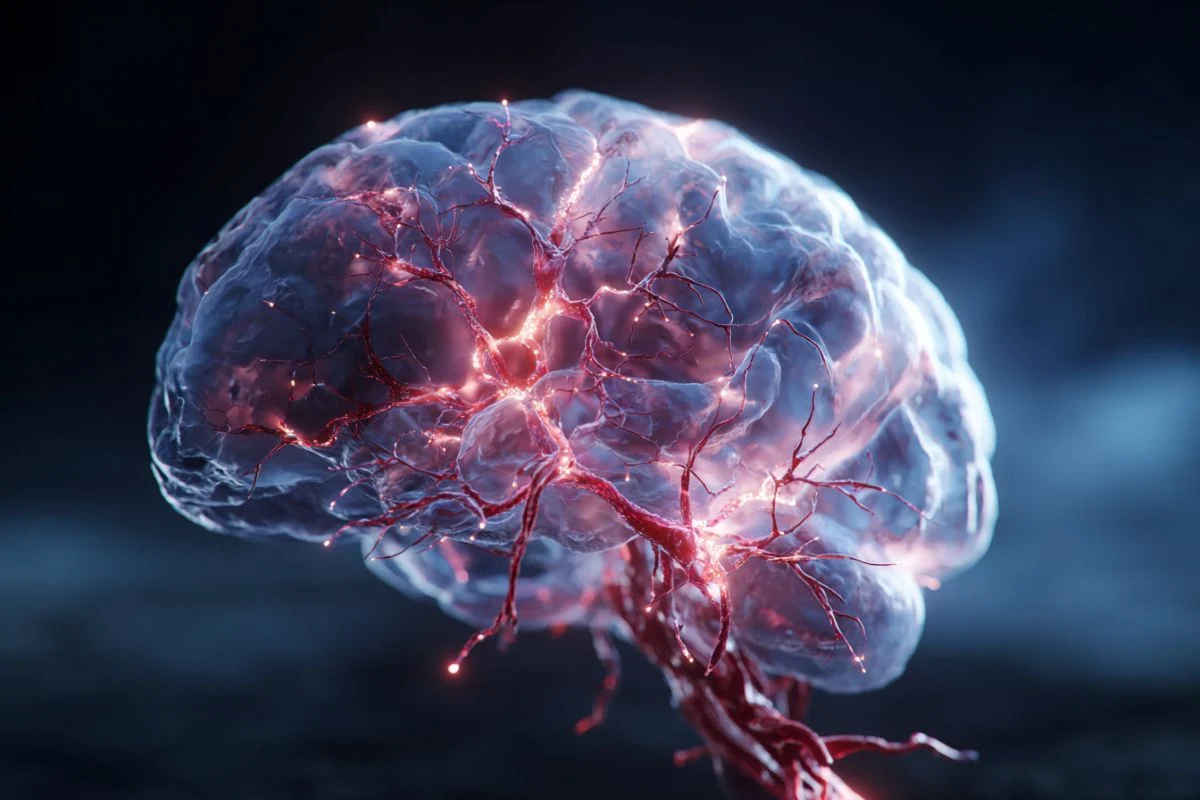
The Leaky Gate: Understanding the Blood-Brain Barrier’s Critical Role
The blood-brain barrier (BBB) is an intricate network of specialized endothelial cells that line the capillaries of the brain and spinal cord, forming a highly selective "security gate" between the bloodstream and the central nervous system (CNS). Its primary function is to meticulously control the passage of substances from the blood into the brain, allowing essential nutrients, oxygen, and certain vital molecules to enter while vigilantly blocking the entry of harmful toxins, pathogens, and inflammatory cells. This protective mechanism is fundamental to maintaining the delicate homeostasis required for optimal brain function.
In the context of repetitive head injuries, such as those sustained in collision and combat sports like rugby and boxing, the integrity of this critical barrier can be severely compromised. Each impact, whether a direct concussion or sub-concussive blow, can cause transient or acute disruption to the BBB. However, the groundbreaking aspect of the Trinity College Dublin and FutureNeuro research lies in its demonstration that for many retired athletes, this barrier does not fully repair itself. Instead, it remains chronically compromised, effectively becoming a "leaky gate" years after an athlete has ceased participating in their sport. This persistent breach signifies that the brain is continuously exposed to an environment it is designed to protect itself from, transforming what might initially be considered an acute injury into a prolonged, degenerative condition.
The Inflammatory Cascade and p-Tau Accumulation
The implications of a chronically leaky blood-brain barrier are profound. With its protective integrity compromised, the barrier loses its ability to effectively filter the substances entering the brain. This allows for the insidious seepage of inflammatory proteins and immune cells from the bloodstream directly into the delicate brain tissue. Once inside, these foreign elements trigger a destructive inflammatory response, creating a hostile microenvironment that is detrimental to neuronal health.
Professor Matthew Campbell, Professor of Neurovascular Genetics and Head of Trinity’s Genetics Department, who co-led the work, underscored the gravity of this finding: "Even years after retirement, retired athletes showed significant BBB disruption compared to age-matched controls. This suggests that the damage from head impacts is a chronic, ongoing process." This chronic inflammation acts as a catalyst, initiating a cascade of pathological events, including the abnormal aggregation of p-Tau protein. Tau protein, in its healthy form, plays a crucial role in stabilizing microtubules within neurons, essential for cellular structure and transport. However, when it becomes hyperphosphorylated (p-Tau), it detaches from microtubules and aggregates into neurofibrillary tangles, a hallmark pathological feature of Alzheimer’s disease, CTE, and other tauopathies. The research suggests that the sustained inflammation, fueled by the leaky BBB, directly contributes to this pathological p-Tau buildup, leading to progressive neurodegeneration and the cognitive decline observed in affected athletes. The study’s abstract further details this mechanism, noting "MAC deposition around cerebral blood vessels" and "microglia-endothelial cross-talk," indicating a complex interplay between the immune system, vascular damage, and specific brain cells that mediates the complement dysregulation observed.
A Historical Perspective on Head Trauma and CTE
The recognition of a link between head trauma and long-term neurological conditions is not entirely new, but the understanding has evolved significantly over the past century. Early observations in the 1920s identified a condition known as "dementia pugilistica" or "punch-drunk syndrome" in boxers, characterized by tremors, slowed movement, speech problems, and cognitive decline. For decades, this condition was largely confined to the realm of boxing, and its underlying pathology remained poorly understood.
A pivotal moment arrived in 2005 with the work of Dr. Bennet Omalu, a Nigerian-American neuropathologist. While performing an autopsy on former NFL player Mike Webster, Omalu discovered unique brain pathology distinct from Alzheimer’s disease. He identified widespread tauopathy, characterized by neurofibrillary tangles, specifically clustered around blood vessels and at the depths of cortical sulci—a pattern he named Chronic Traumatic Encephalopathy (CTE). Omalu’s initial findings were met with significant resistance and skepticism from the National Football League (NFL), which initially denied any link between football and long-term brain damage. However, persistent research, including studies by Boston University’s CTE Center and other institutions, gradually built an overwhelming body of evidence supporting the existence and prevalence of CTE in athletes across various contact sports.
The symptoms of CTE can vary widely and typically emerge years, or even decades, after the cessation of head trauma. They often include memory loss, confusion, impaired judgment, impulse control problems, aggression, depression, and progressive dementia. Crucially, CTE can currently only be definitively diagnosed post-mortem through neuropathological examination of brain tissue. This diagnostic limitation has underscored the urgent need for in vivo biomarkers and mechanisms that can identify individuals at risk while they are still living. The present research from Trinity College Dublin directly addresses this critical gap, providing a potential pathway for earlier identification and intervention.
The Rigor of the Methodology: Bridging In Vivo and Post-Mortem Evidence
The strength of the Trinity College Dublin study lies in its innovative and comprehensive methodology, which meticulously bridges in vivo imaging with post-mortem pathological analysis. The research team employed Dynamic Contrast-Enhanced Magnetic Resonance Imaging (DCE-MRI) to non-invasively assess the integrity of the blood-brain barrier in living subjects. DCE-MRI involves injecting a contrast agent into the bloodstream and then tracking its passage into the brain tissue over time. Any leakage of the contrast agent beyond the blood vessels indicates a compromised BBB. This advanced imaging technique allowed the researchers to quantify the extent and location of BBB disruption in a cohort of 47 retired rugby players and boxers, all with a history of repetitive head injuries.
To validate these in vivo findings and establish a direct link to CTE pathology, the team cross-referenced their MRI data with post-mortem brain tissue obtained from athletes previously diagnosed with CTE. This unique approach allowed them to directly observe the pathological consequences of a leaky BBB, specifically the presence of p-Tau accumulation and MAC deposition around cerebral blood vessels, in those individuals where CTE had been confirmed. The concordance between the living athletes’ MRI findings and the post-mortem analyses provided compelling evidence for the chronic nature of BBB dysfunction and its direct contribution to neurodegeneration.
Furthermore, the study didn’t just identify BBB leakage; it also correlated the extent of this leakage with cognitive performance. Professor Campbell noted, "We found that retired athletes with the most extensive ‘leakage’ in their brain barrier also scored significantly lower on cognitive tests, specifically those measuring memory and executive function." This direct link between a quantifiable physiological marker (BBB disruption) and measurable cognitive deficits provides robust evidence for the clinical relevance of their findings. The researchers also explored systemic markers of injury and neurodegeneration but found them to be of "limited utility" compared to the direct assessment of BBB integrity, further highlighting the novelty and precision of their approach. Transcriptomic analysis of peripheral immune cells further revealed dysregulation of the complement system and vascular developmental pathways, providing molecular insights into the systemic inflammation associated with cognitive decline.
Paradigm Shift: Implications for Diagnosis and Intervention
The implications of this groundbreaking research are far-reaching, potentially ushering in a new era for sports medicine, neurological diagnostics, and public health policy.
1. An Early Warning System for Brain Disease:
Perhaps the most immediate and impactful implication is the potential for BBB-focused MRI scans to serve as an early warning system. Currently, CTE can only be definitively diagnosed after death. The ability to identify BBB disruption in living athletes, particularly those who exhibit cognitive decline, represents a monumental leap forward. Dr. Chris Greene, first author of the paper and FutureNeuro StAR Lecturer in RCSI University of Medicine and Health Sciences, emphasized this point: "The study highlights that MRI scans focused on the BBB could serve as an early warning system, identifying athletes at the highest risk for future brain disease while they are still living and (potentially) playing." This could allow for earlier intervention, personalized monitoring, and informed decision-making regarding an athlete’s continued participation in contact sports.
2. New Therapeutic Avenues: Sealing the Leaky Brain:
Beyond diagnosis, the identification of the BBB as a central mechanism opens up entirely new therapeutic possibilities. If a persistently leaky barrier is the problem, then pharmacological interventions aimed at "sealing" or restoring the integrity of the BBB could theoretically halt or slow the progression of neurodegeneration. Researchers are now looking at drugs that can modulate tight junctions, strengthen endothelial cells, or reduce inflammation to repair the barrier. This represents a significant shift from focusing solely on managing symptoms to targeting the root cause of the damage. Such a therapeutic breakthrough could offer hope to countless athletes at risk of, or already experiencing, the debilitating effects of CTE.
3. Informing Player Safety and Policy Reform:
The chronic nature of the damage revealed by this study places renewed urgency on player safety measures. If the BBB remains compromised years after retirement, it suggests that the cumulative effect of head impacts continues to exert its toll long after the last game. This necessitates a proactive approach from sports governing bodies, medical organizations, and governments alike.
Professor Colin Doherty, Professor of Epileptology and Head of Trinity’s School of Medicine, passionately articulated this need: "We are now at a critical juncture in how we, as a society, accept what is allowable in the context of sports related head trauma, especially for the amateurs and under-18s involved in collision and combat sports such as rugby where the duty of care falls on teachers and amateur coaches who are usually parents themselves." He continued, "Based on the evidence we now have from this study we should be calling for a pro-active approach from government to address what is now an important public health issue, not one that the sporting codes can be left to manage alone."
This call to action highlights the need for:
- Stricter Rule Changes: Implementing and enforcing rules that reduce head impact exposure, such as limitations on contact training, changes to tackle height (e.g., lower tackle laws in rugby), and stricter penalties for dangerous play.
- Enhanced Concussion Protocols: Improving recognition, diagnosis, and management of concussions, ensuring athletes receive adequate recovery time before returning to play.
- Youth Sports Guidelines: Developing evidence-based guidelines for children and adolescents in contact sports, potentially delaying the age at which full-contact play is introduced or limiting the total number of head impacts permitted.
- Public Health Campaigns: Raising awareness among athletes, parents, coaches, and the general public about the long-term risks associated with repetitive head injuries.
4. Broader Societal and Economic Impact:
Beyond the immediate sporting context, the findings have broader societal implications. The burden of neurodegenerative diseases is immense, both in terms of human suffering and healthcare costs. If a significant proportion of these cases are linked to a preventable cause like repetitive head trauma, then addressing this issue becomes a public health imperative. This research provides a robust scientific basis for advocating for changes that could ultimately reduce the incidence of dementia and related conditions in a vulnerable population.
The Path Forward: Expanding Research and Implementing Change
The researchers are not resting on their laurels. Their immediate next steps include expanding the scope of their work to encompass a wider range of athletes. This includes a crucial focus on women’s sports and amateur sports, acknowledging that the biomechanics of injury, exposure levels, and physiological responses may differ significantly across demographics and competitive tiers. Understanding if these findings apply universally across all levels of collision and combat sports is essential for developing comprehensive prevention and intervention strategies.
Future research will also likely involve longitudinal studies, tracking athletes over extended periods to observe the progression of BBB disruption and its correlation with cognitive decline. This will be vital for refining predictive models and assessing the efficacy of potential therapeutic interventions. The ultimate goal is to move towards a future where athletes can pursue their passions with greater safety, and where the long-term health consequences of their careers are mitigated through early detection, effective treatment, and informed policy.
The Trinity College Dublin and FutureNeuro research marks a profound turning point in the understanding of sports-related brain trauma. By identifying the chronically compromised blood-brain barrier as the central player, scientists have not only unlocked a critical piece of the CTE puzzle but have also illuminated clear pathways for diagnostic innovation and therapeutic development. The call from leading researchers for government intervention underscores the urgency and the recognition that this issue transcends the confines of individual sports organizations, demanding a concerted public health response to protect the brain health of current and future generations of athletes.