admin
admin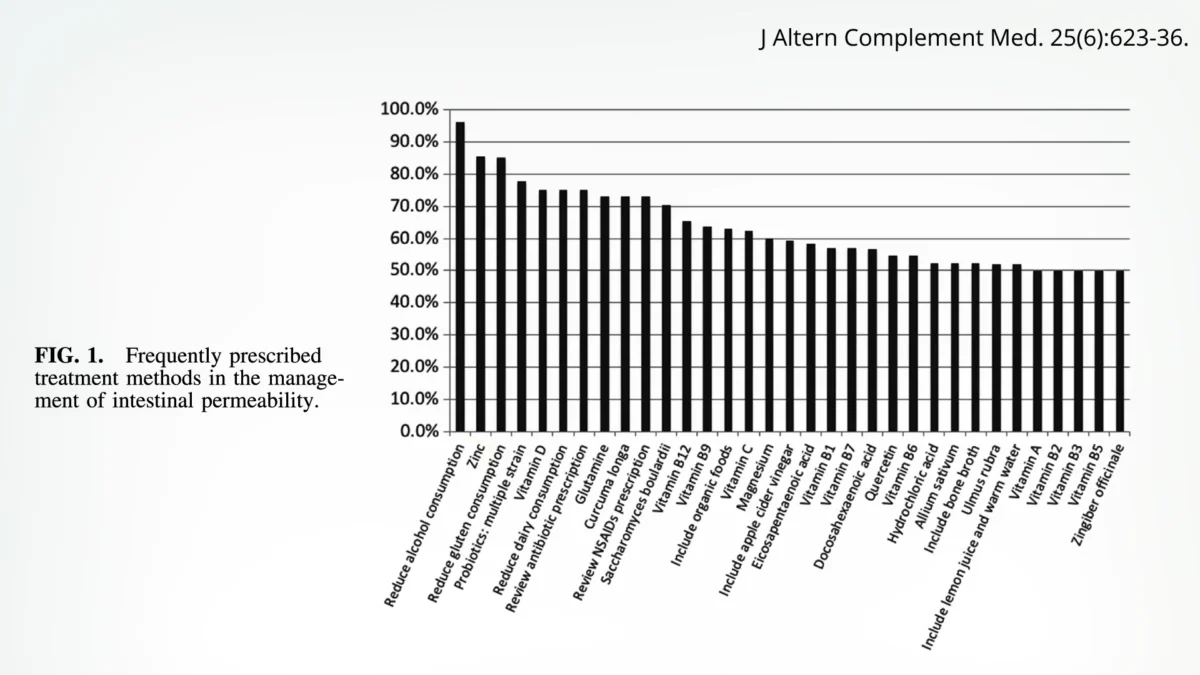
The intricate landscape of the human gut, a vital frontier between our internal systems and the external environment, plays a critical role in maintaining overall health. As the largest barrier of its kind, the gastrointestinal tract is constantly exposed to the world through what we consume. Normally, this complex system functions as a highly selective gatekeeper, meticulously controlling the passage of nutrients, water, and essential compounds while preventing the entry of harmful substances. However, disruptions to this delicate balance, often exacerbated by dietary choices, can lead to a compromised intestinal barrier, commonly referred to as "leaky gut." This condition, characterized by increased intestinal permeability, allows undigested food particles, microbes, and toxins to breach the gut lining, entering the bloodstream and potentially triggering widespread inflammation. Understanding the recommended dietary interventions and specific food components that can bolster the integrity of this crucial barrier is paramount for both prevention and management.
The Gut Microbiome and the Western Diet: A Recipe for Dysbiosis
The standard American or Western diet, often characterized by high consumption of processed foods, refined sugars, and unhealthy fats, has been identified as a significant contributor to gut dysbiosis. This term describes an imbalance in the gut microbiome, the vast community of microorganisms residing in our digestive tract. An imbalanced microbiome can lead to a cascade of negative effects, including chronic intestinal inflammation and the aforementioned leaky gut. When the intestinal barrier’s integrity is compromised, the consequences extend far beyond the digestive system. Systemic inflammation can arise as the body mounts an immune response to the foreign substances entering the bloodstream, potentially contributing to a range of chronic health issues.
The disruption of the gut microbiome by the Western diet is a well-documented phenomenon. Studies have shown that diets rich in fiber and plant-based foods tend to foster a more diverse and balanced microbial ecosystem. Conversely, diets lacking these essential components can lead to a reduction in beneficial bacteria and an overgrowth of less desirable microbes. This imbalance not only affects nutrient absorption and waste elimination but also weakens the very structure of the intestinal lining.
The Power of Plants: A Vegetarian Diet’s Role in Gut Health
Emerging research strongly suggests that a predominantly vegetarian diet, or more broadly, a diet rich in plant-based foods, is a cornerstone in preventing gut dysbiosis and inflammation. The gut bacteria of individuals adhering to vegetarian diets are consistently associated with a balanced intestinal microbiome, higher bacterial biodiversity, and a more robust intestinal barrier. This observation is supported by several lines of scientific inquiry.
Vegetarians often exhibit lower levels of uremic toxins, such as indole and p-cresol, which are byproducts of protein breakdown by gut bacteria and can be harmful when accumulated. The primary food source for these beneficial gut microbes is dietary fiber. Plant-based foods are naturally abundant in various types of fiber, including soluble and insoluble forms. When gut bacteria ferment fiber, they produce short-chain fatty acids (SCFAs), such as butyrate, propionate, and acetate. These SCFAs play a critical protective and nourishing role for the cells that line the intestinal wall, known as enterocytes. By providing an essential energy source for these cells, SCFAs help maintain their structure and function, thereby preserving the integrity of the intestinal barrier.
A comprehensive review of scientific literature highlights that plant fiber is of prime importance in maintaining a healthy gut lining. The specific mechanisms by which fiber achieves this involve not only the production of SCFAs but also the modulation of gut motility, the stimulation of beneficial microbial growth, and the reduction of inflammation. The diversity of plant foods consumed directly influences the diversity of the gut microbiome, creating a symbiotic relationship that bolsters gut health.
Clinical Evidence: Quantifying the Impact of Plant-Rich Diets on Intestinal Permeability
The positive impact of plant-based diets on gut health is not merely theoretical. Clinical studies have provided tangible evidence of their efficacy in improving intestinal barrier function. For instance, a study involving individuals with non-alcoholic fatty liver disease (NAFLD) demonstrated significant improvements after adhering to a diet rich in whole grains, beans, lentils, fruits, vegetables, nuts, and seeds for a period of six months. A key indicator of success in this study was a notable reduction in zonulin levels.

Zonulin is a protein that plays a crucial role in regulating the "tight junctions" between intestinal cells. These tight junctions are protein complexes that seal the spaces between cells, forming a critical physical barrier. When zonulin levels are elevated, it signifies that these tight junctions are becoming more porous, leading to increased intestinal permeability. Zonulin is widely considered the only measurable biomarker that directly reflects impairment of the intestinal barrier, making it a valuable marker for identifying a leaky gut. The observed reduction in zonulin levels in participants who adopted a plant-rich diet strongly suggests that appropriate fiber intake is instrumental in maintaining the proper structure and function of the intestinal barrier.
While this study provided compelling correlational data, it is important to acknowledge that the intervention involved a complex dietary pattern with numerous beneficial components beyond just fiber. The researchers themselves noted that "gut permeability might be improved by dietary fiber," emphasizing the need for more targeted research to establish a direct cause-and-effect relationship.
The Definitive Role of Fiber: Rigorous Studies Confirm its Protective Power
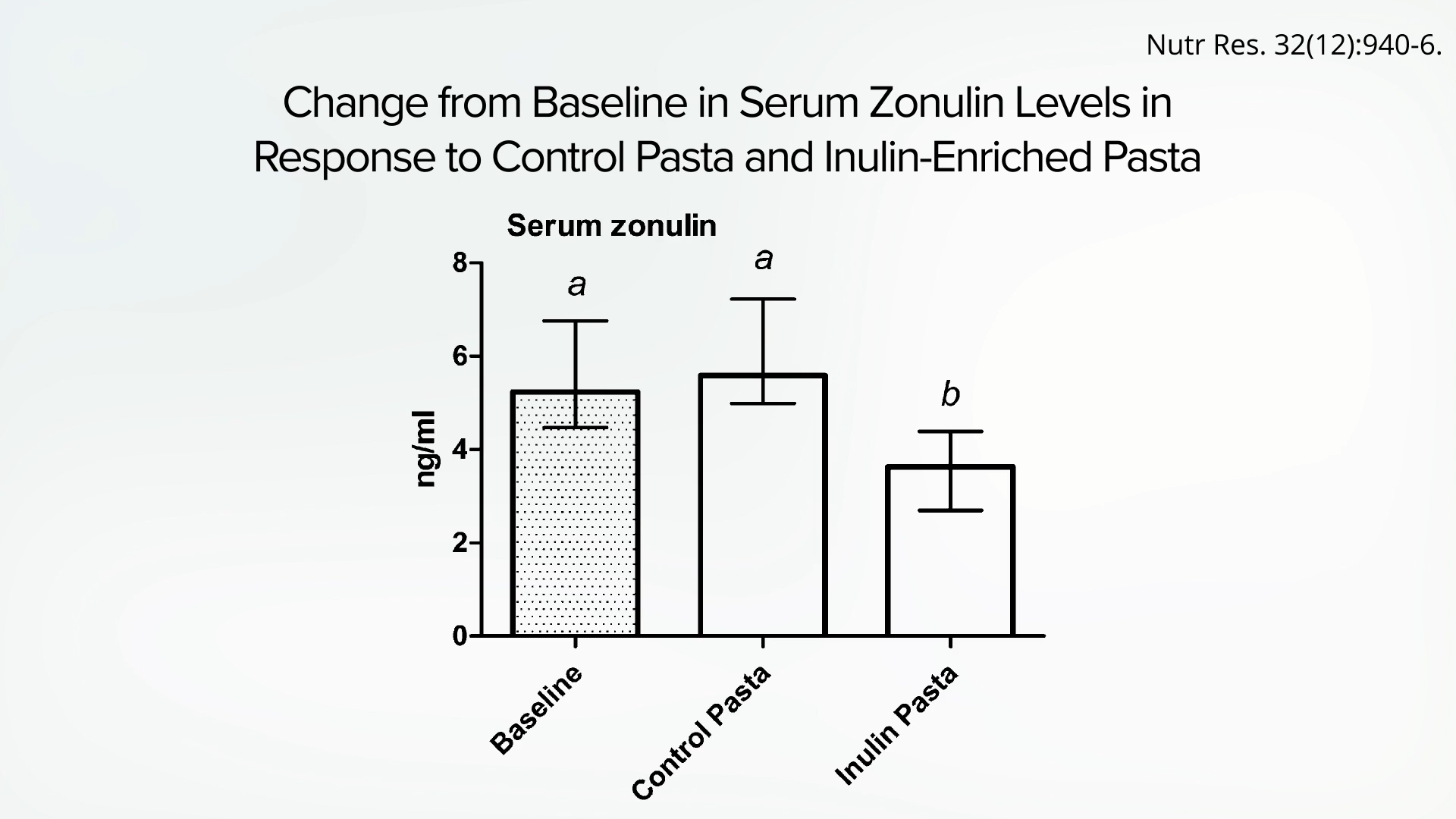
To address the need for more definitive evidence, researchers have conducted more controlled studies. A randomized, double-blind, crossover study provided robust confirmation of fiber’s direct impact on gut leakiness. In this research, a group of healthy young men was assigned to consume pasta with or without added fiber. The results were striking: the group that consumed pasta with added fiber experienced a significant drop in zonulin levels. This reduction was observed when compared to their own pre-intervention levels and also to the control group that did not receive the added fiber. This groundbreaking study unequivocally demonstrated that dietary fiber plays a direct role in improving gut permeability, solidifying its status as a vital nutrient for intestinal health.
The implications of this finding are far-reaching. It underscores the importance of ensuring adequate fiber intake through a varied diet to maintain a healthy intestinal barrier. For individuals struggling with conditions associated with leaky gut, increasing their consumption of fiber-rich foods, such as whole grains, legumes, fruits, and vegetables, can be a powerful therapeutic strategy.
Beyond Fiber: Specific Plant Compounds and Micronutrients for Gut Integrity
While fiber is a star player in maintaining gut health, other components found in plant-based foods and certain micronutrients also contribute significantly to intestinal barrier function. Research has begun to identify specific compounds that offer protective benefits.
Curcumin, the vibrant yellow pigment found in the spice turmeric, has shown promise in preventing intestinal damage. Studies in rats have indicated that curcumin can help protect the intestinal lining from damage induced by non-steroidal anti-inflammatory drugs (NSAIDs) like ibuprofen. Similarly, sulforaphane, a compound found in broccoli and other cruciferous vegetables, has demonstrated protective effects against intestinal injury in mouse models.
While human studies specifically on sulforaphane’s impact on gut permeability are still emerging, research on turmeric has yielded encouraging results. A study involving three days of consuming an amount equivalent to about two to three teaspoons of turmeric per day showed a reduction in markers of gastrointestinal barrier damage and inflammation caused by exercise, when compared to a placebo group. This suggests that even moderate consumption of turmeric may offer benefits, although further research is needed to determine the optimal dosage and efficacy across different populations and conditions.
Zinc: A Crucial Micronutrient for Intestinal Defense
Beyond specific plant compounds, certain micronutrients are also recognized for their vital role in supporting gut integrity. When alternative medicine practitioners are consulted about treatments for leaky gut, zinc consistently ranks high on the list, often mentioned alongside recommendations to reduce alcohol consumption.
Zinc is an essential mineral involved in numerous physiological processes, including immune function and cell growth and repair. Its protective role in the gut has been substantiated by scientific research. Studies in rats have shown that zinc can protect against intestinal damage induced by aspirin-like drugs.
More importantly, randomized controlled trials in humans have corroborated these findings. In one study, the administration of indomethacin, a potent NSAID, led to a threefold increase in gut permeability in healthy adults. However, this significant rise in permeability was mitigated when participants also took zinc. This observation strongly suggests a protective effect of zinc on the small intestine. While the dose used in this particular trial was substantial (75 mg per day), nearly twice the tolerable upper daily limit for zinc, it highlights the mineral’s potential to safeguard the gut lining.
The question then arises whether more moderate doses of zinc, obtained through dietary sources or lower-dose supplementation, can also be effective. Emerging evidence suggests that this is indeed the case. A study found significant improvements in gut leakiness even with a low dose of just 3 mg of zinc. This implies that even relatively modest zinc supplementation could contribute to maintaining a healthy intestinal barrier. For perspective, a single cup (approximately 200 grams) of cooked lentils can provide an additional 3 mg of zinc to one’s daily diet, demonstrating how dietary choices can contribute to adequate zinc intake.
Broader Implications and Future Directions
The growing body of scientific evidence highlighting the importance of diet in treating and preventing leaky gut syndrome has significant implications for public health. It reinforces the principle that food can be a powerful medicine and that dietary interventions can play a primary role in managing chronic health conditions.
The focus on plant-based foods, fiber, specific phytonutrients like curcumin and sulforaphane, and micronutrients like zinc offers a comprehensive and holistic approach to gut health. This shift in perspective from a purely symptomatic treatment to addressing the root causes of intestinal dysfunction is crucial.
Future research directions will likely continue to explore:
- The synergistic effects of various dietary components: Understanding how different nutrients and compounds work together to enhance gut barrier function.
- Personalized nutrition approaches: Tailoring dietary recommendations based on individual gut microbiome profiles and genetic predispositions.
- The role of specific fiber types: Investigating the differential impact of soluble versus insoluble fibers and fermentable versus non-fermentable fibers.
- Long-term efficacy studies: Conducting larger, longer-term clinical trials to assess the sustained benefits of dietary interventions for various gastrointestinal disorders.
- The impact of food processing: Examining how different food processing methods might affect the beneficial properties of plant-based foods relevant to gut health.
The understanding of leaky gut syndrome and its dietary management is an evolving field. However, the current scientific consensus points towards a plant-rich, fiber-dense diet, supplemented by key micronutrients, as a foundational strategy for nourishing and restoring the intestinal barrier, ultimately contributing to improved overall health and well-being.
Doctor’s Note: For further exploration into preventing gut dysbiosis and leaky gut, readers are encouraged to consult resources such as "Flashback Friday: Gut Dysbiosis: Starving Our Microbial Self" and "Avoid These Foods to Prevent a Leaky Gut," which offer additional insights and practical advice.