
 admin
admin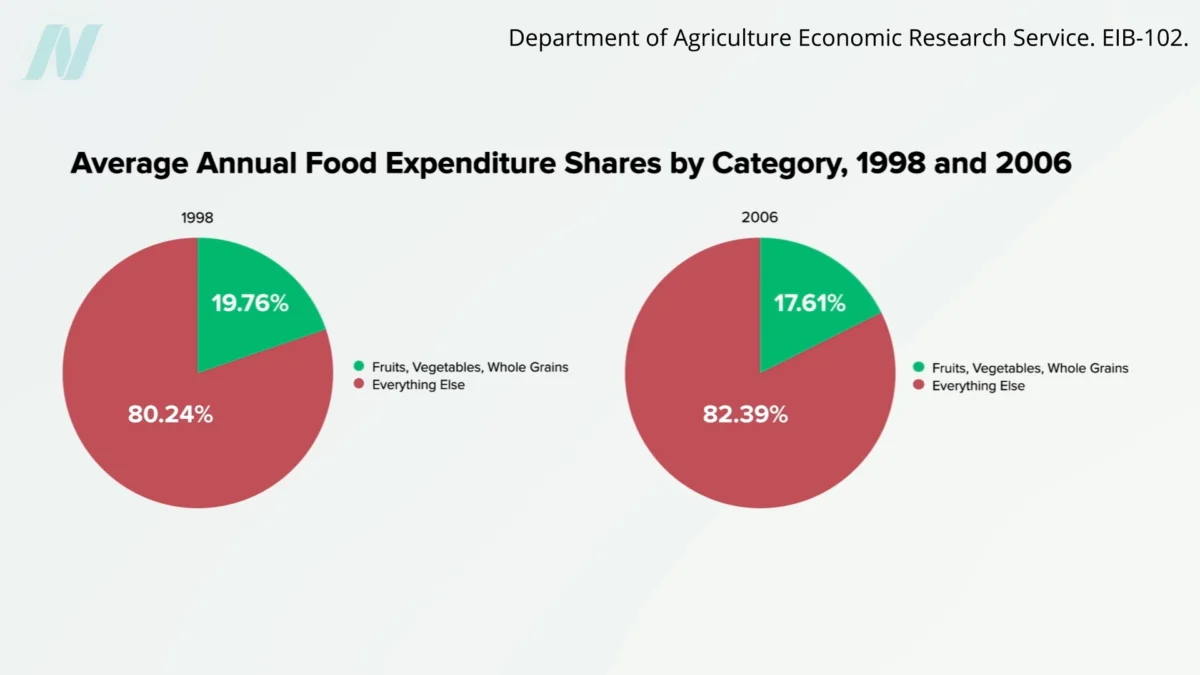
The quest for a perfect diet score is not merely an academic exercise but a pursuit with profound implications for individual health and disease prevention. While the notion of a "perfect diet" might seem elusive, scientific research points towards specific dietary patterns that consistently correlate with superior health outcomes. At the forefront of this understanding is the concept of diet quality, with vegetarian diets often emerging as a benchmark. However, the definition of a "vegetarian diet" itself requires nuance, as simply abstaining from meat does not automatically guarantee optimal nutrition.
The Nuances of Vegetarian Diets and Diet Quality
For decades, researchers have sought to quantify diet quality, and vegetarian dietary patterns have frequently been identified as nutrient-dense. Studies comparing vegetarian and non-vegetarian diets consistently show that plant-forward eating patterns tend to score higher in terms of nutrient intake and overall dietary quality. This improved diet quality is believed to contribute to the observed greater improvements in health outcomes among vegetarians.
However, a critical observation within the vegetarian community is a higher consumption of refined grains, such as white rice and white bread. These processed grains have been stripped of many essential nutrients during their production, diminishing their nutritional value. This highlights a crucial point: adopting a vegetarian diet does not inherently guarantee the healthiest eating habits. The quality of food choices within any dietary framework remains paramount.
Defining a "Whole Plant Foods" Score
To better assess and promote healthy eating, scientists have explored scoring systems that prioritize whole plant foods. A foundational approach involves tallying the intake of fruits, vegetables, whole grains, legumes (beans, chickpeas, split peas, lentils), and nuts and seeds, often measured in cups or ounces per 1,000 calories. However, this additive approach can be misleading if not contextualized. Simply consuming large quantities of whole plant foods does not preclude the simultaneous intake of less healthy options like donuts.
This has led to the development of proportional intake measures, which assess the percentage of one’s diet that consists of whole plant foods, relative to total caloric intake or weight. Under such a system, points would be deducted for the consumption of animal-derived foods (meat, dairy, eggs) and added sugars and fats. This proportional approach offers a more sophisticated and accurate reflection of dietary healthfulness.
The Phytochemical Index: A Simple Yet Powerful Metric
One particularly elegant and widely discussed proportional intake measure is McCarty’s "phytochemical index." Defined as the "percent of dietary calories derived from foods rich in phytochemicals," this index offers a straightforward yet comprehensive way to assess diet quality. Phytochemicals are biologically active compounds naturally found in plants that are believed to confer many of the health benefits associated with whole plant food consumption.
The phytochemical index assigns a score from 0 to 100, representing the percentage of daily calories sourced from these nutrient-rich plant foods. While directly quantifying phytochemicals in food or tissue samples can be impractical, laborious, and expensive, the phytochemical index serves as a valuable proxy. Its simplicity makes it an accessible tool for both researchers and individuals seeking to optimize their diets for health and disease prevention.
Historical Context and Current Dietary Trends
The theoretical ideal, as outlined by the phytochemical index, would be a whole-food, plant-based or vegan diet that meticulously excludes refined grains, white potatoes, hard liquors, added oils, and added sugars. Such a diet could theoretically achieve a perfect score of 100.

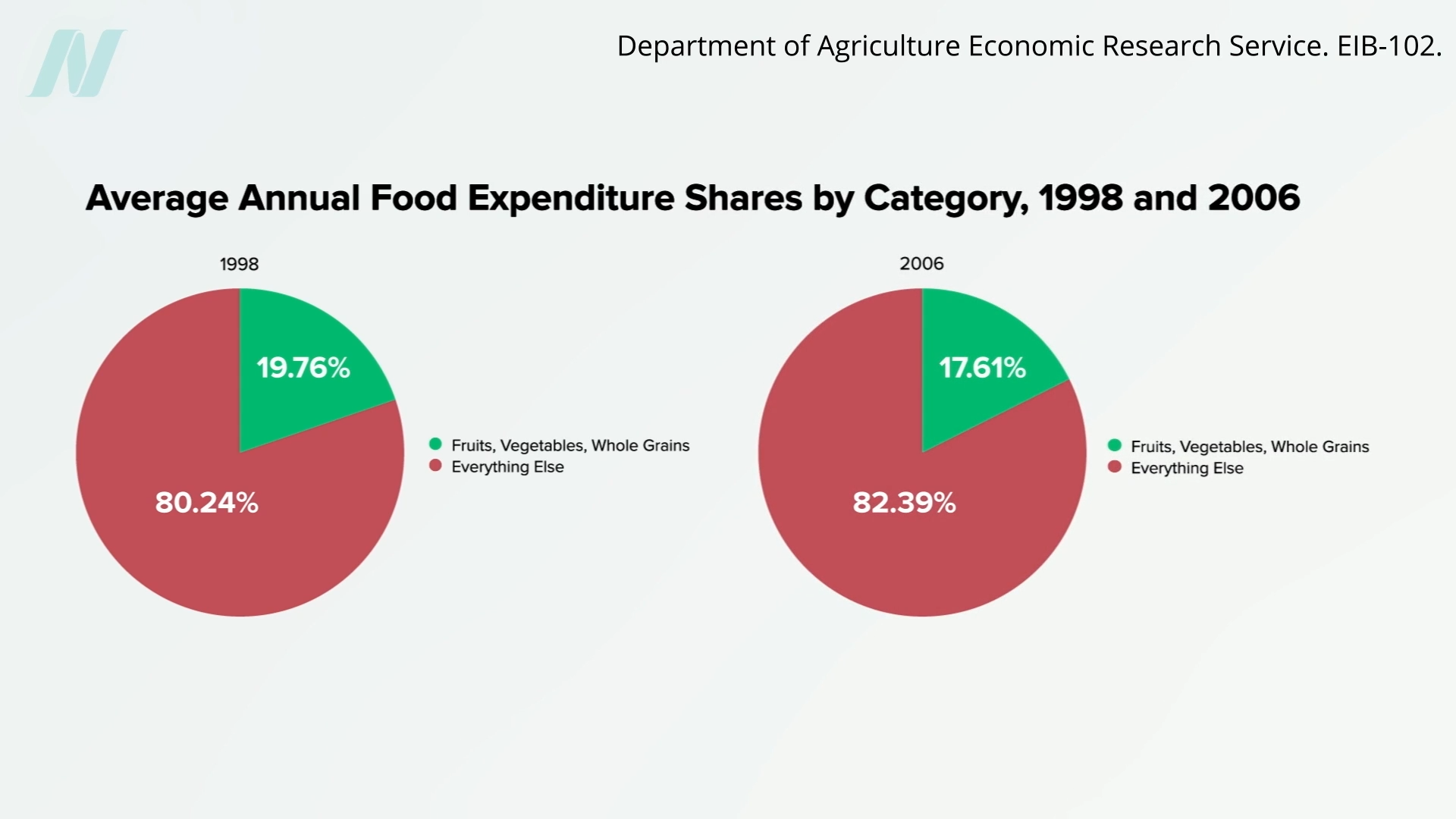
However, the reality for most populations, particularly in Western countries, falls far short of this ideal. Data from the United States reveals a concerning trend: in 1998, approximately 20% of the average American’s shopping basket consisted of whole plant foods. More recent analyses indicate that this proportion has actually decreased, suggesting a move away from nutrient-dense, plant-based options. This decline in whole plant food consumption has been visually represented in various nutritional studies and public health campaigns. For example, graphical representations of shopping basket compositions over time often illustrate this shrinking proportion of whole plant foods, underscoring a significant public health challenge.
Research and Correlation: Phytochemical Index and Health Outcomes
The scientific community has recognized the immense potential of the phytochemical index as a research tool. Numerous studies have employed this index to investigate its correlation with a wide array of health outcomes. The results have been consistently compelling, demonstrating a strong link between higher phytochemical index scores and improved health.
Weight Management and Body Composition:
Studies have consistently shown that vegetarian diets are associated with lower body weight and body mass index (BMI). A meta-analysis of dozens of studies revealed significantly lower weight and BMI among vegetarians compared to non-vegetarians. Furthermore, research indicates that high intakes of fruits, vegetables, whole grains, and legumes may offer protective benefits against weight gain, irrespective of meat consumption.
When researchers applied the phytochemical index in longitudinal studies, they observed that individuals with higher scores, even those not achieving a perfect 100, experienced benefits in weight management. For instance, a study tracking individuals’ weight over several years, using a scale reflecting the percentage of whole plant foods in their diet, found that even a diet where whole plant foods constituted a substantial portion (though not the entirety) could help prevent weight gain and decrease body fat. This suggests that a gradual increase in whole plant food intake, rather than an all-or-nothing approach, can yield significant health advantages.
Metabolic Health and Disease Prevention:
The positive impact of a high phytochemical index extends to metabolic health. Research has indicated that higher plant intake is associated with a reduced risk of abdominal obesity and significantly lower odds of elevated triglycerides. This has led to the characterization of the phytochemical index as a "useful dietary target for weight loss," shifting the focus from calorie restriction to increasing the consumption of nutrient-dense, lower-calorie plant foods.
The benefits are also evident in childhood obesity, with studies suggesting similar positive associations between higher plant intake and healthier weight outcomes in younger populations.
Insulin Sensitivity and Diabetes Risk:
Even at the same body weight and with similar amounts of abdominal fat, individuals consuming plant-based diets tend to exhibit higher insulin sensitivity. This means their bodies utilize insulin more effectively, potentially due to the anti-inflammatory and antioxidant properties of plant compounds. Studies have shown a progressive decrease in the odds of hyperinsulinemia, an indicator of insulin resistance, with greater plant consumption. Consequently, individuals deriving more than half of their daily calories from healthy plant foods have been found to have significantly lower odds of developing prediabetes.
Cardiovascular Health:
The protective effects of a high phytochemical index are also observed in cardiovascular health. Research has linked higher intake of healthy plant foods with significantly lower odds of metabolic syndrome and high blood pressure. Over a three-year period, individuals consuming more healthy plants had approximately half the odds of being diagnosed with hypertension compared to those with lower plant intake.
Mental Well-being:
Emerging research suggests that dietary choices can also influence mental health. Studies have indicated potential associations between higher plant consumption and improved mental well-being, with individuals reporting lower rates of depression, anxiety, and psychological distress. While further research is needed to fully elucidate these complex relationships, the findings underscore the pervasive impact of diet on overall health.
Benign Breast Conditions and Cancer Risk:
The phytochemical index has also been investigated in relation to breast health. Studies have revealed a significant reduction in the odds of benign breast diseases, such as fibrocystic changes and benign tumors, among individuals with the highest phytochemical index scores.
Perhaps most notably, a higher intake of healthy plant foods has been consistently associated with a lower risk of breast cancer. Research has shown that individuals consuming twice the proportion of plants compared to the standard American diet experienced a more than 90% reduction in their odds of developing breast cancer, even after accounting for a multitude of confounding factors. This finding underscores the potent role of plant-based nutrition in cancer prevention.
Implications and Future Directions
The overwhelming body of evidence points to the phytochemical index as a valuable metric for assessing dietary healthfulness and predicting health outcomes. Its simplicity, coupled with its strong correlation with a wide range of positive health indicators, makes it an accessible and powerful tool for public health initiatives and individual dietary guidance.
The implication for public health policy is clear: promoting increased consumption of whole plant foods should be a central tenet of strategies aimed at reducing the burden of chronic diseases, managing weight, and improving overall well-being. This could involve educational campaigns, policy changes that make healthy foods more accessible and affordable, and integration of dietary assessment tools like the phytochemical index into clinical practice.
For individuals, the message is one of empowerment. While achieving a perfect phytochemical index score of 100 might be challenging in the current food environment, every step taken to increase the proportion of whole plant foods in one’s diet yields tangible health benefits. The research suggests that it is not an "all or nothing" proposition; even modest increases in the consumption of fruits, vegetables, whole grains, and legumes can contribute significantly to better health.
Doctor’s Note:
For those seeking to delve deeper into the practical application and scientific basis of the phytochemical index, further resources are available. Educational videos and articles offer detailed explanations on how to calculate one’s healthy eating score and understand the nuances of plant-based nutrition. Concerns about protein intake within vegetarian or plant-forward diets are also addressed in dedicated materials, reassuring individuals that adequate protein can be achieved through careful dietary planning. Furthermore, the concept of "flexitarian" eating, which involves reducing but not eliminating animal products, is explored for its potential impact on longevity. For those navigating the complexities of processed vegan foods, resources are available to distinguish between truly healthy options and those that may still be considered "plant-based junk food."
The journey towards optimal health is increasingly illuminated by the science of nutrition, with the phytochemical index standing as a beacon, guiding us towards a more vibrant and disease-resistant future.






