admin
admin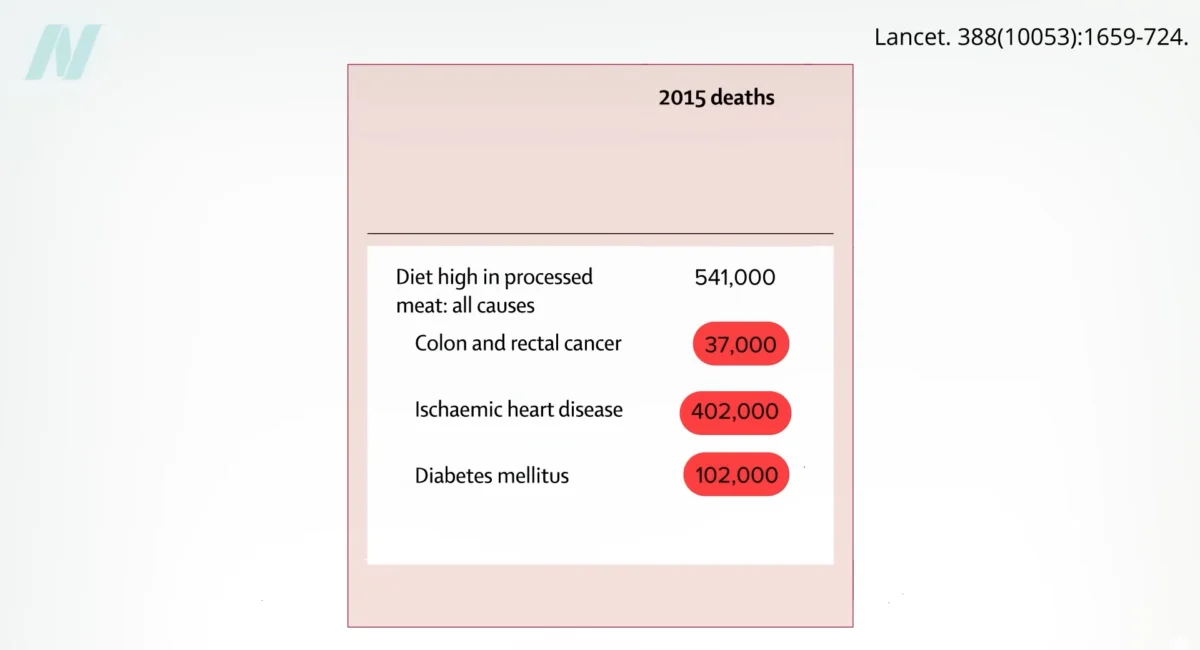
In 2018, a landmark report from the International Agency for Research on Cancer (IARC), the cancer research arm of the World Health Organization (WHO), ignited a global conversation about the health risks associated with processed meats. The IARC, widely regarded as the world’s most authoritative body on cancer causation, classified processed meat – including common items like bacon, ham, hot dogs, sausage, and lunch meat – as a Group 1 carcinogen. This classification, which signifies that there is sufficient evidence that an agent causes cancer in humans, placed these familiar food products in the same category as established carcinogens such as tobacco, asbestos, and alcohol.
The IARC’s comprehensive review, which synthesized findings from numerous scientific studies, concluded that the consumption of processed meat is linked to an increased risk of colorectal cancer. Dr. Christopher Wild, then Director of IARC, stated that these findings "further support current public health recommendations to limit intake of meat." This declaration from a preeminent global health organization underscored the seriousness of the issue and signaled a potential shift in dietary advice for millions worldwide.
Understanding the IARC Classification: Evidence Strength vs. Risk Magnitude
The IARC’s classification methodology has been the subject of debate and, at times, misunderstanding. Critics have questioned the wisdom of placing processed meats in the same carcinogenic category as substances like asbestos and tobacco. Some have pointed out the apparent discrepancy, with one pesticide company wryly noting the difference between ingesting processed meat and being exposed to mustard gas, despite both being potentially classified under Group 1.
However, the IARC’s classification system is designed to assess the strength of scientific evidence for carcinogenicity, not the magnitude of the risk. As clarified in subsequent analyses, including those presented in public health forums and educational videos, a Group 1 classification means an agent is known to cause cancer in humans. It does not imply that all Group 1 carcinogens pose an equal level of danger. For instance, while both plutonium and a pastrami sandwich are classified as Group 1 carcinogens, the relative danger they present to human health is vastly different. The key distinction lies in the dose, exposure route, and the sheer volume of scientific evidence correlating specific levels of consumption with specific health outcomes.
Quantifying the Risk: The Link Between Processed Meat and Colorectal Cancer
The IARC report, and subsequent analyses, aimed to quantify the specific risks associated with processed meat consumption, particularly concerning colorectal cancer. The findings indicated that for every 50 grams of processed meat consumed daily, the relative risk of developing colorectal cancer increased by approximately 18%.
To contextualize this figure, 50 grams of processed meat is a relatively small portion – equivalent to about one hot dog, two breakfast sausage links, or two slices of Canadian bacon or ham. This means that regularly incorporating a daily sandwich with one or two slices of baloney could elevate an individual’s colorectal cancer risk by 18%. The magnitude of this risk can vary significantly with higher consumption. For example, a half-pound serving of pastrami on rye could potentially increase the risk by as much as 80%.
Absolute Risk vs. Relative Risk: Decoding the Numbers
Understanding the implications of these statistics requires differentiating between relative risk and absolute risk. While a relative risk increase of 18% might sound substantial, its impact on an individual’s overall lifetime risk needs careful consideration.
Colorectal cancer is a significant public health concern, ranking as the second leading cause of cancer death for both men and women in the United States, following only lung cancer. For individuals who do not smoke, colon and rectal cancer can represent their most significant cancer threat.
If the average lifetime risk of developing colorectal cancer is estimated to be around 5% (or 1 in 20 people), an 18% increase in relative risk translates to a more modest increase in absolute risk. In this scenario, an individual’s lifetime risk might rise from 5% to approximately 6%. While this is a statistically significant increase, it highlights the importance of understanding the baseline risk.
However, the impact on a population level is profound. A widespread reduction in processed meat consumption could lead to a substantial decrease in cancer incidence. For instance, if individuals in the United States were to eliminate one daily serving of processed meat from their diet, it could potentially prevent around 25,000 new cases of colorectal cancer annually. This translates to 25,000 fewer families grappling with the devastating diagnosis and the arduous journey of treatment and recovery each year. This potential public health benefit underscores the significant implications of dietary choices on a societal scale.

Broader Health Implications Beyond Colorectal Cancer
The concerns surrounding processed meat consumption extend beyond colorectal cancer. Emerging research, particularly in the years following the 2018 IARC pronouncement, suggests potential links between processed meat intake and an increased risk of other cancers, including prostate cancer, breast cancer, and pancreatic cancer.
Furthermore, the health consequences of processed meat are not limited to cancer. Studies have indicated strong associations with other chronic diseases. For example, analyses of global disease burdens suggest that while approximately 37,000 cancer deaths worldwide are attributable to higher processed meat intake, this figure primarily accounts for colorectal cancer. When considering the broader health impacts, including an estimated 100,000 deaths from diabetes and 400,000 deaths from heart disease linked to processed meat consumption, the total number of attributable deaths could approach half a million annually. This broader spectrum of health risks underscores the pervasive impact of processed meat on public health.
Public Health Recommendations and Industry Responses
In light of the IARC findings and subsequent research, public health organizations continue to advocate for reduced consumption of processed meats. The Director of IARC’s unequivocal statement, supporting current recommendations to limit meat intake, resonated with public health bodies globally.
Despite growing public awareness and scientific consensus, dietary habits have proven resistant to change. Research published in recent years indicates that, despite mounting concerns, there have been no significant changes in the average consumption of processed meat by U.S. adults over the past 18 years. This stagnation in dietary habits raises concerns about the effectiveness of current public health messaging and interventions.
The omission of explicit warnings about processed meats in national dietary guidelines has also been a point of contention. Experts have called for the inclusion of clear, science-based statements regarding the carcinogenic nature of processed meat in future dietary recommendations. However, the advisory committees for recent U.S. Dietary Guidelines have, to date, not made such explicit recommendations, leading to criticism from public health advocates who argue for greater transparency and stronger guidance.
The meat industry, in response to these scientific findings and public health pressures, has engaged in various strategies. Some industry representatives have emphasized the need to consider the benefits of processed meats, such as convenience and taste, alongside the risks. Others have focused on product reformulation, attempting to mitigate potential adverse health effects through changes in processing methods or the addition of ingredients like fiber, aiming to "counterbalance" risks rather than eliminate them. This approach mirrors strategies seen in other industries, where the introduction of additional components is used to offset the negative impacts of a primary product.
The Challenge of Lifestyle Change and Nutrition Education
Compounding the issue is the challenge of translating health information into tangible lifestyle changes. Studies have shown that even individuals diagnosed with colorectal cancer often fail to significantly alter their dietary habits post-diagnosis. A significant contributing factor to this lack of change appears to be inadequate nutrition education. Shockingly, research indicates that approximately 70% of cancer patients report never receiving nutrition advice from their healthcare providers during or after treatment. This deficit in essential nutritional guidance leaves many patients ill-equipped to make informed dietary choices that could impact their recovery and long-term health.
Policy Interventions and Industry Influence
Recognizing the gravity of the situation, some jurisdictions have begun to implement policy interventions. New York City, for example, has taken a pioneering step by enacting legislation to ban processed meats from school meals. This initiative aims to protect children from early exposure to known carcinogens, reflecting a growing sentiment that providing these products to vulnerable populations is unacceptable.
The influence of the meat industry on public health discourse has also been a subject of scrutiny. Scientific publications have noted the industry’s efforts to "obfuscate" the issue, drawing parallels to the historical tactics employed by the tobacco industry to downplay the risks of smoking. This alleged obfuscation presents a significant hurdle for public health efforts aimed at educating the public and implementing effective policy changes.
A Call for Public Health Action
The scientific evidence linking processed meat consumption to increased cancer risk is substantial and has been recognized by leading international health organizations. The classification of processed meat as a Group 1 carcinogen by the IARC serves as a critical public health alert. While the nuances of risk assessment and the complexities of dietary behavior change remain challenges, the implications for public health are undeniable.
The ongoing debate underscores the tension between public health imperatives and industry interests. As the scientific understanding of the risks associated with processed meats continues to evolve, so too must the strategies employed by public health officials, policymakers, and healthcare providers to effectively communicate these risks and empower individuals to make healthier choices. The long-term health of populations, particularly concerning preventable cancers and chronic diseases, hinges on addressing these challenges with transparency, robust scientific integrity, and a commitment to public well-being. The potential to avert tens of thousands of cancer cases annually through simple dietary adjustments highlights the profound impact of informed choices and proactive public health interventions.