admin
admin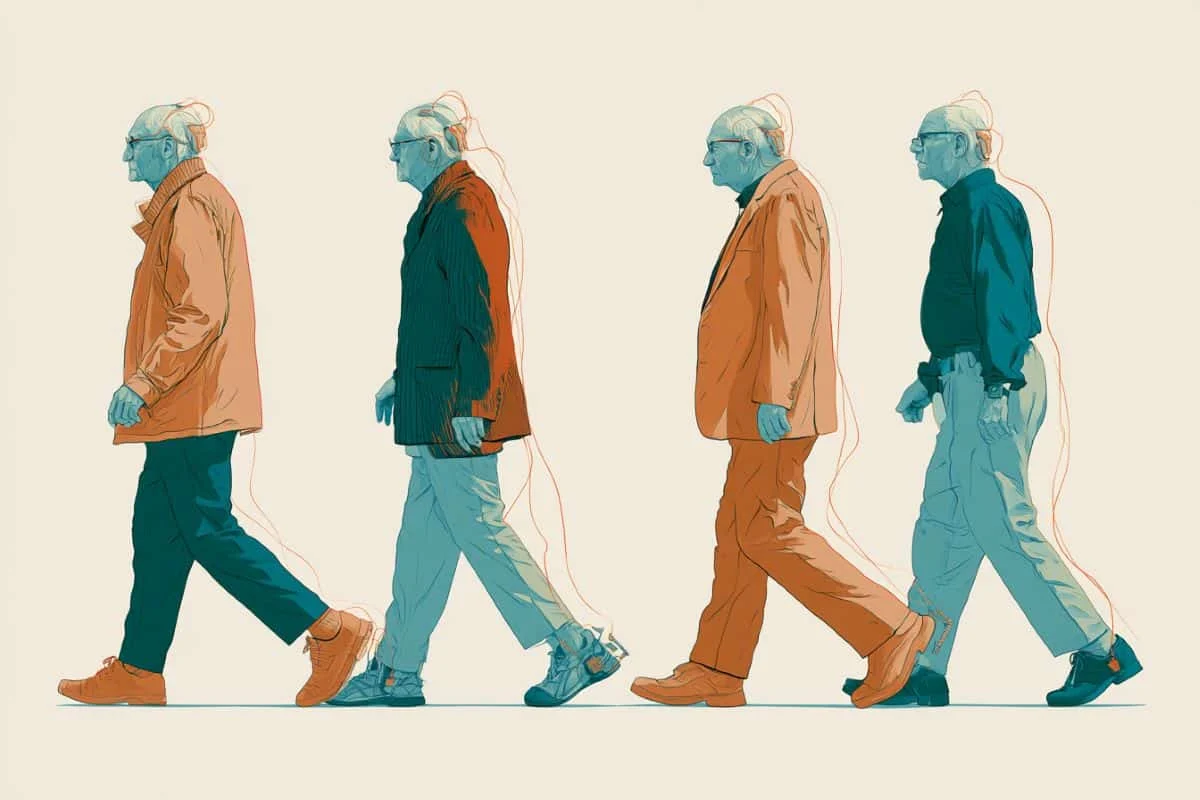
In a groundbreaking advancement that promises to redefine the treatment landscape for Parkinson’s disease, researchers at the University of California, San Francisco (UCSF) have unveiled a sophisticated closed-loop deep brain stimulation (DBS) system capable of dynamically adjusting its therapeutic output in real-time, in direct response to a person’s individual walking patterns. This pioneering adaptive DBS (aDBS) system, which operates entirely within the sub-second timeline of human locomotion, marks a significant departure from conventional DBS approaches that often fall short in addressing debilitating Parkinson’s symptoms such as freezing of gait and catastrophic falls. The findings, published on June 15 in the esteemed journal Nature Medicine, demonstrate for the first time that an implanted brain stimulator can autonomously detect and react to neural signals associated with each step, effectively acting as an intelligent "brain pacemaker" that synchronizes perfectly with the patient’s movement.
A Paradigm Shift in Neuromodulation for Parkinson’s
Parkinson’s disease, a progressive neurodegenerative disorder affecting more than 10 million people worldwide, is characterized by a range of motor symptoms including tremor, rigidity, slowness of movement (bradykinesia), and postural instability. While deep brain stimulation has been a transformative therapy for many patients, significantly improving tremor, stiffness, and slowness, a persistent challenge has been its limited efficacy in managing gait impairment, freezing of gait (a sudden, temporary inability to move forward), and the resultant falls. These gait-related issues are among the leading causes of disability, loss of independence, and reduced quality of life for individuals living with Parkinson’s. The UCSF team’s innovation directly addresses this critical unmet need.
Conventional DBS systems deliver a continuous, unvarying electrical pulse to specific brain regions, much like an old-fashioned light switch that is simply turned on. This rigid, unyielding wave of electricity, while effective for static symptoms, struggles to adapt to the highly dynamic and complex nature of human walking. Walking is not a constant state but a fluid, lightning-fast sequence of coordinated movements requiring precise, millisecond timing between the brain, spinal cord, and muscle groups on both sides of the body. Because static energy cannot adjust to the rapid, constantly shifting demands of taking individual steps, conventional DBS often fails to help the brain coordinate the complex mechanics of movement, leaving patients vulnerable to disabling freezing episodes and falls.
Dr. Doris D. Wang, MD, PhD, associate professor of neurological surgery at UCSF and senior author of the study, highlighted the severity of this issue: "Difficulty walking is one of the most disabling symptoms of Parkinson’s disease and one of the hardest to treat. Walking is a highly dynamic behavior that requires precise timing across both sides of the body. We developed a system that can recognize those movement patterns and respond in real time, effectively allowing the stimulation to work with the patient as they move." This statement underscores the fundamental limitation of previous DBS technologies and the innovative leap represented by the new adaptive system.
The Mechanics of an Intelligent Brain Pacemaker
The core of this breakthrough lies in the personalized adaptive DBS (aDBS) system’s ability to "read" the brain’s internal electrical movement signals like an open book. Researchers achieved this by embedding predictive neural algorithms directly into an implanted neurostimulator. This sophisticated device tracks the individual electrical signatures of the left and right legs during each phase of stride execution. The UCSF team discovered that the brain generates highly specific, unique electrical patterns every single time a person intends to move their left or right leg. By mapping these custom signatures, engineers were able to program the implanted neurostimulator to recognize these step-specific signals on the fly.
Operating autonomously without the need for an external computer, the implant then alters its therapeutic output within fractions of a second, acting as an intelligent "brain pacemaker." This closed-loop system senses the brain’s activity, processes it, and then delivers targeted stimulation precisely when and where it is needed during the gait cycle. This rapid, responsive adjustment is crucial because the brain contains remarkably rich information about movement, as noted by first author Dr. Kenneth H. Louie, PhD, a UCSF post-doctoral scholar. "We found that we could identify neural signatures linked to each step and use them to guide stimulation in real time," Dr. Louie explained, emphasizing the precision and responsiveness of the technology.
From Laboratory Bench to Real-World Efficacy
The study involved a carefully designed clinical trial to evaluate the feasibility and effectiveness of this novel aDBS system. Five individuals with Parkinson’s disease who had previously undergone DBS surgery were enrolled in a UCSF research program utilizing an investigational DBS system. In addition to their standard therapeutic DBS leads implanted deep within the brain, these participants had research electrodes placed over movement-related areas of the brain. This unique setup allowed researchers to identify personalized neural signatures (brain signals) of walking and subsequently program the stimulator to automatically adjust therapy in real time.
The initial phase of testing involved acute, in-clinic assessments where the aDBS system demonstrated significant improvements. Measures of gait symmetry – the balance and coordination between left and right steps – and reduced variability in walking patterns, both crucial markers of a more stable and efficient gait, were observed. This suggested that the system was indeed helping patients achieve a more natural and controlled walking style.
Following the acute testing, participants proceeded to a blinded, multi-day crossover study conducted in their daily lives. This real-world evaluation was critical to understanding the practical impact of the technology outside of a controlled laboratory environment. During periods when the adaptive system was active, participants experienced a notable reduction in falls while maintaining overall control of their other Parkinson’s symptoms. Importantly, the study reported no serious adverse events, and patients tolerated the rapid stimulation adjustments well, indicating the safety and comfort of this dynamic therapy. These findings, while based on a small cohort, provide compelling early evidence that timing stimulation to specific behaviors may yield superior outcomes compared to the continuous, unmodulated stimulation offered by conventional devices.
Chronology and Context: The Evolution of DBS
Deep Brain Stimulation itself is a relatively modern neurosurgical procedure that gained widespread acceptance in the late 20th and early 21st centuries. Initially approved for essential tremor and later for Parkinson’s disease, it involves implanting electrodes in specific brain areas that control movement, connected to a pulse generator (neurostimulator) placed under the skin in the chest. For decades, DBS has relied on continuous stimulation, a "one-size-fits-all" approach that, while revolutionary, has inherent limitations for dynamic neurological conditions.
The concept of "adaptive" or "closed-loop" neurostimulation has been a long-standing goal in the field, aiming to overcome these limitations. Previous attempts at aDBS have often focused on responding to slower-changing indicators of disease state, such as oscillations in brain activity (e.g., beta band activity) that correlate with tremor or rigidity. However, applying this to the rapid, cyclical nature of gait proved far more challenging due to the sub-second precision required. The UCSF team’s success in identifying and utilizing gait-phase biomarkers represents a significant leap forward, demonstrating that responsive neuromodulation can indeed operate at the speed of human movement. This study culminates years of dedicated research into understanding the neural mechanisms of gait and developing the engineering capabilities to interact with them in real-time.
Broader Impact and Future Implications
This pioneering research has far-reaching implications, extending beyond the immediate treatment of Parkinson’s gait dysfunction. Dr. Wang emphasized this broader vision: "This study is about more than walking. It demonstrates that brain stimulation can adapt to what a person is doing in real time. That opens the door to future therapies that respond dynamically to movement, speech, mood, cognition, and other brain functions."
-
For Parkinson’s Patients: The most immediate impact is the potential for significantly improved quality of life. Reducing freezing of gait and catastrophic falls would restore a substantial degree of independence, mobility, and confidence for millions. It could allow patients to engage more fully in daily activities, exercise, and social interactions, which are often severely curtailed by fear of falling. This personalized approach offers hope for a future where treatment is tailored not just to the individual, but to their moment-by-moment needs.
-
Advancing Neurotechnology: This study represents a paradigm shift in how scientists conceptualize and design brain stimulation therapies. It moves the field from constant, open-loop therapy to responsive, closed-loop neuromodulation. Researchers envision a future where implanted devices continuously sense and respond to neural activity, delivering personalized therapy only when and where it is needed, akin to how cardiac pacemakers revolutionized heart disease treatment. This success with gait control paves the way for developing similar adaptive systems for other complex neurological functions and disorders, including epilepsy, depression, and obsessive-compulsive disorder, where specific neural signatures could be identified and modulated in real-time.
-
Healthcare System Benefits: A reduction in falls among Parkinson’s patients would translate into significant public health benefits. Falls are a leading cause of injury, hospitalization, and mortality in older adults, and disproportionately affect individuals with Parkinson’s. By mitigating this risk, aDBS could lead to fewer emergency room visits, hospital admissions for fractures or head injuries, and long-term care needs, potentially reducing healthcare expenditures associated with the disease.
-
Future Research and Development: While this study represents an absolute milestone in neural engineering, it is still in its early clinical phases. The initial trial proved the safety and mechanics of the technology across a small, highly monitored cohort of five patients. Because the device succeeded in everyday, real-world testing without any serious side effects, the medical community has an ironclad rationale to launch larger, multi-center clinical trials. These larger trials will be crucial for confirming clinical efficacy across a broader patient population, refining the algorithms, and ultimately gaining regulatory approval, a process that typically takes several years. The registration of this trial on ClinicalTrial.gov (NCT04675398) marks a transparent step towards this larger validation.
-
Ethical Considerations: As with any advanced neurotechnology, future development will need to consider ethical implications, including data privacy, potential for device malfunction, accessibility for diverse patient populations, and the long-term effects of chronic, adaptive brain stimulation.
The UCSF team’s work, supported by organizations like the Michael J. Fox Foundation and the National Institute of Neurological Disorders and Stroke, stands as a testament to collaborative scientific endeavor. The detailed methodology, including the use of both pallidal DBS and subdural electrode paddle implantation for biomarker identification, highlights the rigorous scientific approach. As Dr. Wang aptly concluded, "Instead of delivering the same stimulation all day long, future devices may continuously listen to the brain and immediately respond to a patient’s needs. Just as pacemakers transformed the treatment of heart disease, intelligent neurostimulators may transform how we treat disorders of the brain." This vision of truly personalized and responsive neuromodulation is now closer to becoming a reality, offering profound hope for millions grappling with neurological conditions.