Rachel Mohan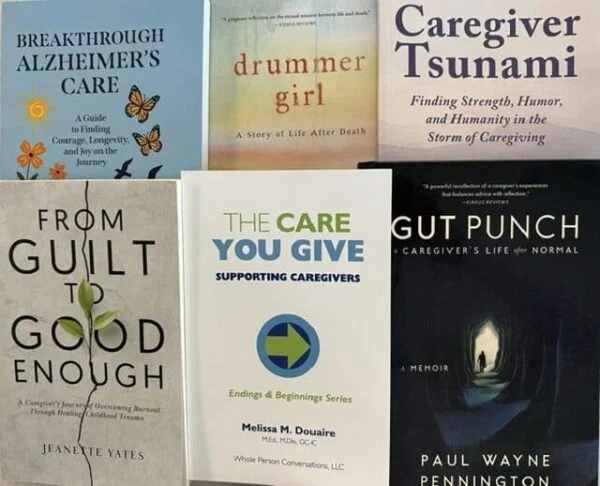
The arrival of summer often brings a shift in focus, with many individuals seeking opportunities for personal growth and enrichment through reading. For the estimated 53 million unpaid caregivers in the United States, this season can offer a rare chance to pause and engage with resources that acknowledge and address their unique challenges. A curated selection of six recent book releases, alongside a prominent caregiver advocate’s own work, offers a comprehensive suite of guidance, introspection, and solace for those navigating the demanding landscape of caregiving. These titles collectively span practical strategies, emotional healing, and profound reflections on life, death, and the enduring human spirit.
Navigating the Complexities of Caregiving: Essential Reads for Support and Resilience
The landscape of caregiving is vast and multifaceted, encompassing a wide array of responsibilities, emotional tolls, and systemic challenges. Recent publications are emerging to meet this growing need, providing caregivers with tools and perspectives to foster resilience and well-being. These books address the spectrum of caregiving experiences, from the immediate demands of daily care to the long-term emotional and psychological impacts.
One such resource, "The Care You Give: Supporting Caregivers" by Melissa M. Douaire, is highlighted for its concise yet impactful approach. Douaire employs a compelling "Fish Tank" analogy to illustrate the immense burdens caregivers often carry. This metaphorical framework, praised for its clarity and accessibility, aims to demystify the complexities of caregiving and empower individuals with practical understanding. The book’s compact format makes it an ideal quick reference, allowing caregivers to readily access insights and coping mechanisms amidst their demanding schedules. Its emphasis on understanding and clarity positions it as a foundational text for those seeking to navigate the intricacies of their caregiving roles.
Complementing this, Lynn Alexander’s "Caregiving Tsunami: Finding Strength, Humor, and Humanity in the Storm of Caregiving" offers a comprehensive guide to confronting the often overwhelming nature of caregiving responsibilities. Alexander’s work is noted for its balanced approach, blending no-nonsense insights with deep empathy and a focus on actionable solutions. The book delves into critical areas such as navigating complex family dynamics, understanding legal and financial protections essential for caregivers, and maintaining one’s own humanity amidst the storm. This holistic perspective underscores the interconnectedness of practical support and emotional fortitude required for sustained caregiving.
Addressing Emotional and Psychological Dimensions of Caregiving
Beyond the practicalities of care, the emotional and psychological toll on caregivers is significant. Several of the reviewed books directly address these profound aspects, offering pathways to healing and self-discovery.
Jeanette Yates’s "From Guilt to Good Enough: A Caregiver’s Journey of Overcoming Burnout Through Healing Childhood Trauma" provides a deeply personal and unique perspective on managing the pervasive emotion of guilt that often accompanies caregiving. Yates shares her own lifelong journey, which began in childhood and spanned much of her life, detailing the struggles and resilience that ultimately led to healing. Her remarkable honesty and authentic reflection offer readers not only lessons learned but also practical insights for cultivating richer, more meaningful lives. The book’s exploration of childhood trauma in relation to caregiving burnout highlights a critical, often overlooked, dimension of caregiver well-being, advocating for a paradigm shift from perfectionism to self-acceptance.
In a different vein, Sally Dukes’ memoir, "Drummer Girl: A Story of Life After Death," delves into the profound themes of mortality and the human experience of loss. While not exclusively a caregiving book, its exploration of death as a central character and the author’s journey through a near-death experience offers a unique lens through which caregivers grappling with the end-of-life stages of their loved ones might find solace and perspective. Dukes’ poetic and reflective narrative invites readers to contemplate life, loss, and the mysteries that lie beyond, potentially offering a framework for processing grief and existential questions inherent in caregiving.
Specialized Guidance for Specific Caregiving Challenges
The demands of caregiving can vary significantly depending on the condition of the person being cared for. Books focusing on specific diseases or stages of care offer invaluable, targeted support.
Mark Wilson’s "Breakthrough Alzheimer’s Care: A Guide to Finding Courage, Longevity and Joy on the Journey" addresses the pervasive and often devastating impact of Alzheimer’s disease. Recognizing that this "insidious, mysterious disease" causes immense pain, Wilson’s book is positioned as a crucial resource for those navigating its path. The book is lauded for its comprehensive approach, offering insight, wisdom, and practical guidance on every page. It serves as a definitive roadmap for families, providing knowledge, compassion, and strategies designed to help caregivers deliver the best possible care while simultaneously safeguarding their own well-being. The emphasis on finding "courage, longevity and joy" suggests an optimistic and empowering approach to a challenging disease.
The aftermath of caregiving also presents unique challenges, a sentiment captured by Paul Wayne Pennington in his memoir, "Gut Punch: A Caregiver’s Life After Normal." Pennington’s work is described as a vulnerable, insightful, and brutally honest account of the emotional terrain caregivers navigate once their primary caregiving role concludes. His memoir powerfully portrays the struggle of re-establishing a sense of self and purpose after the intense focus on another person’s needs has ended. Pennington shares his own experience, strength, and hope, offering practical advice and relatable insights for those facing the transition from active caregiving to a "new normal." This perspective is particularly vital, as the emotional and psychological adjustment period following caregiving can be as demanding as the caregiving itself.
The Broader Context: Caregiving as a National Imperative
The insights offered by these books are particularly relevant given the significant and growing role of unpaid caregivers in the nation’s healthcare system. Data from organizations like AARP and the National Alliance for Caregiving consistently highlight the scale of this contribution. In 2020, unpaid family caregivers provided an estimated 39 million households with 62 billion hours of care, valued at approximately $470 billion. This economic contribution underscores the vital role these individuals play, yet their needs are often overlooked in public policy and healthcare discourse.
The proliferation of books addressing caregiver well-being reflects a growing societal recognition of this critical need. The increasing number of titles focusing on practical advice, emotional resilience, and specialized care indicates a maturing understanding of the multifaceted demands placed upon caregivers. These publications serve not only as personal guides but also as indicators of a broader conversation about support systems, mental health resources, and policy initiatives necessary to sustain this essential workforce.
A Call to Action: Empowering Caregivers Through Knowledge and Self-Care
The author of the original review also highlights her own contribution to this field, "Self-Care for Caregivers: A Practical Guide to Caring for You While You Care for Your Loved One." This personal testament underscores the fundamental importance of self-care, framing it not as a luxury but as a necessity for sustainable caregiving. The availability of an audio version further emphasizes the need for accessible resources that can be integrated into busy schedules, allowing caregivers to engage with vital information even during their commutes or brief moments of respite. The author’s invitation for feedback and reviews signifies a commitment to community building and continuous improvement of support resources.
The collective message from these diverse titles is clear: caregiving is an immense undertaking that requires not only practical skills but also profound emotional resilience, self-awareness, and access to supportive resources. As the population ages and the demand for care continues to rise, the insights and guidance offered by these books become increasingly indispensable for individuals navigating this challenging yet often deeply meaningful journey. The summer season, with its potential for reflection, offers a timely opportunity for caregivers to engage with these valuable resources, fostering their own well-being while continuing to provide essential care for their loved ones. The availability of these titles on platforms like Amazon, along with the author’s own published works, ensures that this vital support is accessible to a wide audience.