
 admin
admin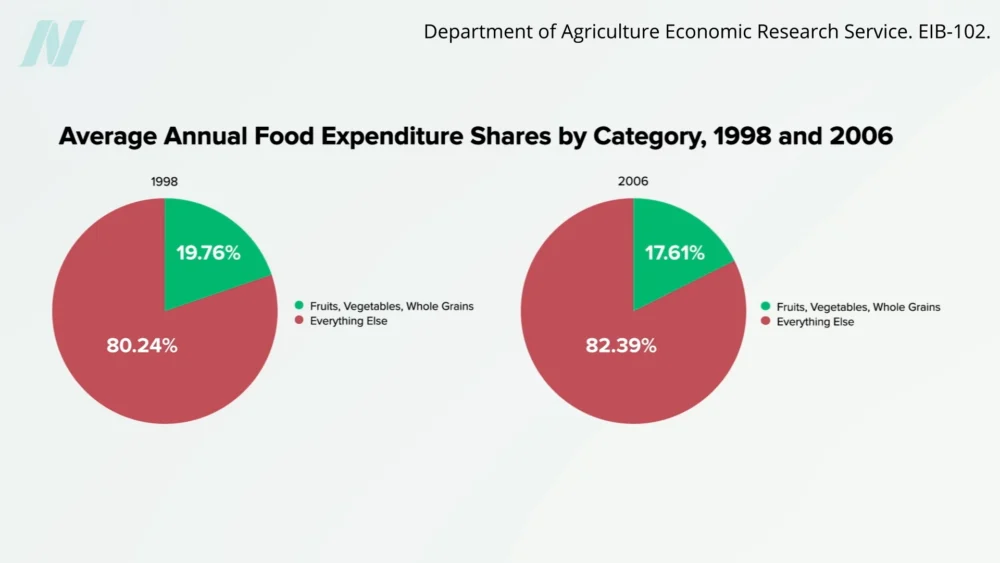
The quest for a perfect diet score is a pursuit that has long captivated health professionals and individuals alike. While various metrics and dietary approaches exist, a growing body of scientific evidence points towards the profound impact of whole plant foods and their inherent phytochemical content. This article delves into the concept of the phytochemical index, a nuanced measure of dietary quality, and its far-reaching implications for health outcomes, from weight management to the prevention of chronic diseases and even mental well-being.
Understanding Diet Quality: Beyond Vegetarianism
For years, vegetarian diets have been lauded for their potential to offer superior nutritional density. Research consistently demonstrates that plant-based eating patterns tend to exhibit higher diet quality when compared to diets that include meat and other animal products. This enhanced nutritional profile is often credited with contributing to better health outcomes. However, a critical caveat exists: simply adhering to a vegetarian diet does not automatically guarantee optimal health. A significant portion of individuals following vegetarian diets may still consume a substantial amount of refined grains, such as white rice and white bread. These processed foods have had much of their natural nutritional value stripped away, diminishing the overall healthfulness of the diet. Therefore, a purely vegetarian label does not equate to a universally healthy eating pattern.
The scientific community is well aware of the paramount importance of consuming whole plant foods. This understanding has spurred the development of more sophisticated methods to assess dietary quality. Early approaches might have focused on simply quantifying the intake of specific food groups, such as fruits, vegetables, whole grains, legumes (beans, chickpeas, split peas, lentils), nuts, and seeds, often measured per 1,000 calories. However, such an additive approach can be misleading. For instance, an individual could theoretically consume a large quantity of these healthy foods while simultaneously indulging in a high proportion of less nutritious options like donuts.
To address this limitation, proportional intake measures have emerged as a more accurate way to evaluate diet quality. These methods consider the proportion of whole plant foods within the overall caloric intake or by weight. A diet heavily skewed towards whole plant foods would naturally receive a higher score, while the inclusion of animal-derived foods (meat, dairy, eggs), added sugars, and unhealthy fats would result in a deduction of points. This refined approach offers a more holistic and accurate reflection of dietary habits.
The Phytochemical Index: A Simple Yet Powerful Metric
Among the various proportional intake measures, McCarty’s "phytochemical index" stands out for its remarkable simplicity and profound implications. Defined as "the percent of dietary calories derived from foods rich in phytochemicals," this index assigns a score from 0 to 100, representing the proportion of calories consumed from plant-based sources that contain these beneficial compounds. Phytochemicals are biologically active substances naturally found in plants, and they are increasingly recognized for their significant contributions to the health benefits associated with whole plant food consumption.
The utility of monitoring phytochemical intake in clinical settings is substantial. It offers a straightforward yet effective method for individuals and healthcare providers to assess and optimize dietary patterns for enhanced health and disease prevention. While directly quantifying specific phytochemicals in food or tissue samples can be an impractical, labor-intensive, and expensive undertaking, the phytochemical index provides a pragmatic proxy. By focusing on the caloric contribution of phytochemical-rich foods, it offers a readily applicable tool for dietary assessment and guidance.
Theoretically, a perfectly scored diet, achieving a 100 on this index, would consist exclusively of whole, unprocessed plant foods. This would exclude refined grains, white potatoes, hard liquors, added oils, and added sugars. However, the reality for many populations, particularly in Western countries, falls far short of this ideal. Data from the United States, for instance, suggests that the average American’s diet might struggle to achieve a score of even 20. This stark contrast highlights a significant dietary gap and the widespread consumption of processed and nutrient-poor foods.

Historical Trends in Dietary Patterns
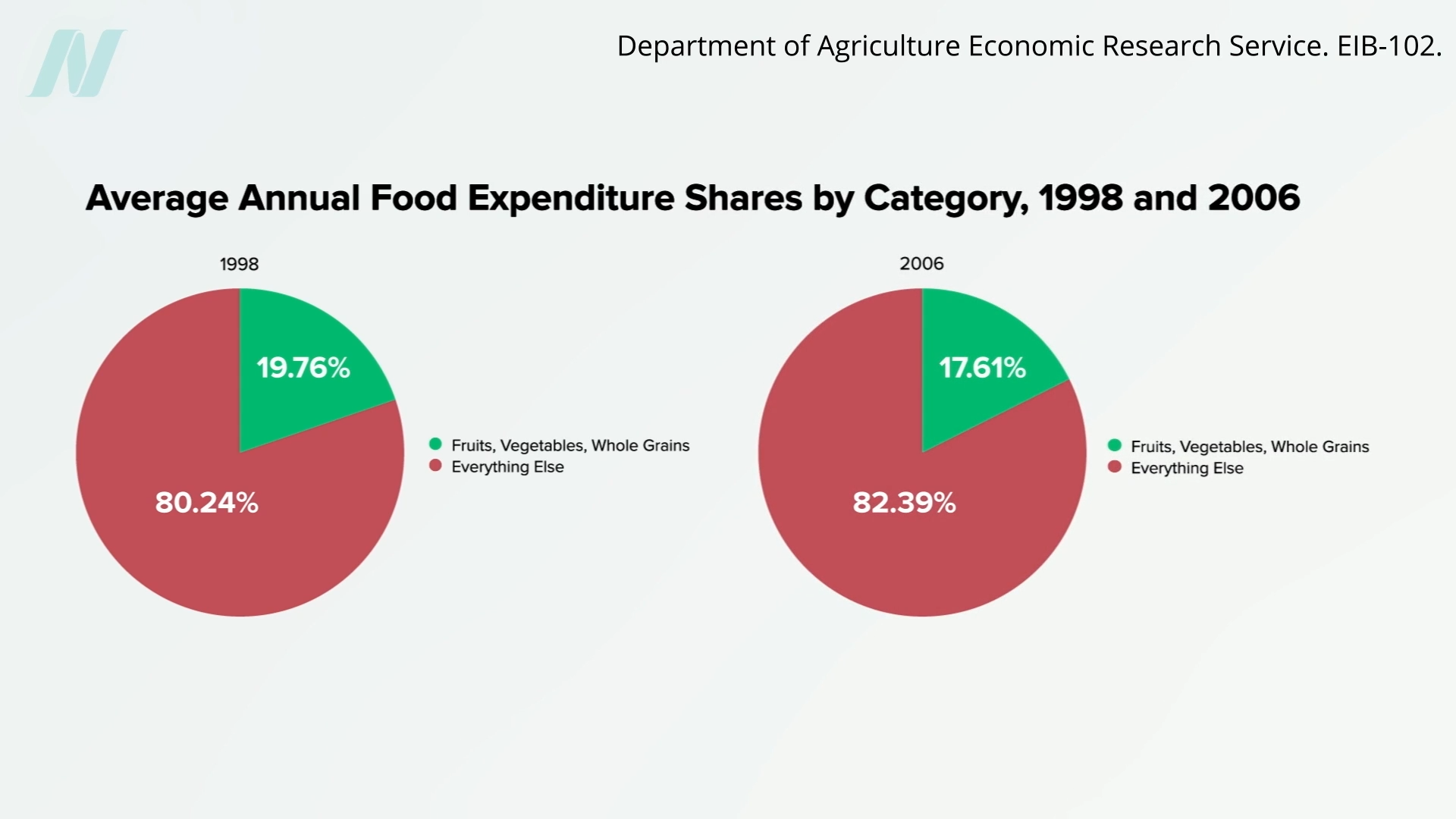
Examining historical dietary trends provides crucial context for understanding current challenges. In 1998, approximately 20% of the average American’s shopping basket consisted of whole plant foods. More recent data indicates a concerning decline in this proportion, suggesting a shift towards an even greater reliance on processed and less nutrient-dense options. This trend is visually represented in available data, underscoring a growing disconnect between dietary recommendations and actual consumption patterns. The implications of this dietary shift are profound, contributing to the rising rates of chronic diseases observed across the population.
Scientific Validation: Linking the Phytochemical Index to Health Outcomes
The scientific community has actively explored the correlation between the phytochemical index and various health outcomes. Researchers have utilized this metric to investigate its predictive power in relation to weight management, cardiovascular health, metabolic disorders, and even mental well-being.
Weight Management and Body Composition
Studies have consistently demonstrated a protective association between vegetarian diets and lower weight and Body Mass Index (BMI). A comprehensive meta-analysis involving dozens of studies revealed that vegetarians generally exhibit significantly lower weight and BMI compared to their non-vegetarian counterparts. Furthermore, research indicates that high intakes of fruits, vegetables, whole grains, and legumes may offer protective benefits for weight and body composition, irrespective of meat consumption.
The phytochemical index has proven to be a valuable tool in these investigations. Researchers have employed it to track individuals’ weight over time, using the index as a direct reflection of the proportion of whole plant foods in their diet. Even in cases where the healthiest-eating groups only achieved an average score of around 40 – indicating that processed foods and animal products still constituted the majority of their diet – a substantial proportion of whole plant foods was associated with a reduced likelihood of weight gain and a decrease in body fat. This finding is crucial: it emphasizes that even incremental increases in whole plant food consumption can yield significant health benefits, dispelling the notion that a radical dietary overhaul is the only path to improvement.
Cardiovascular Health and Metabolic Syndrome
The benefits of a diet rich in whole plant foods extend to cardiovascular health and metabolic regulation. Numerous studies have indicated that higher intake of healthy plant foods is associated with a reduced risk of abdominal obesity and significantly lower odds of developing high triglycerides. The phytochemical index has been identified as a "useful dietary target for weight loss," shifting the focus from restrictive calorie counting to increasing the consumption of nutrient-dense, lower-calorie whole plant foods.
This positive correlation has also been observed in the context of childhood obesity, with research suggesting similar benefits for children who consume more healthy plant-based foods.
Beyond weight management, the phytochemical index and the dietary patterns it represents are linked to improved insulin sensitivity. Individuals consuming plant-based diets tend to exhibit better insulin function, meaning their bodies utilize insulin more effectively. This improved sensitivity is attributed, in part, to the anti-inflammatory and antioxidant compounds present in plants, which help to mitigate inflammation and combat free radical damage. Studies have shown a progressive decrease in the odds of hyperinsulinemia – a marker of insulin resistance – with greater plant consumption. This is further supported by findings that individuals deriving more than half of their calories from healthy plant foods have a significantly lower risk of prediabetes.
The positive impact on metabolic health continues with findings of significantly lower odds of metabolic syndrome and high blood pressure among those with higher phytochemical index scores. Over a three-year period, individuals consuming more healthy plants experienced approximately half the odds of being diagnosed with hypertension.
Mental Health and Disease Prevention
The influence of diet on mental well-being is an increasingly recognized area of research. Emerging evidence suggests a link between a high intake of healthy plant foods and improved mental health outcomes. Studies have reported approximately 80% less depression, two-thirds less anxiety, and 70% less psychological distress in individuals with the highest phytochemical index scores. These findings underscore the profound connection between nutrition and psychological state, suggesting that dietary choices can play a significant role in mitigating mental health challenges.
Benign and Malignant Breast Conditions
The protective effects of a diet aligned with the phytochemical index extend to breast health. Research has identified a strong link between higher dietary phytochemical index scores and a reduced risk of benign breast diseases, including fibrocystic diseases, fatty necrosis, and ductal ectasia. Individuals with the highest scores exhibited a 70% lower likelihood of these conditions.
More critically, a higher intake of healthy plant foods has been associated with a significantly lower risk of breast cancer. This association holds even after accounting for a multitude of other contributing factors. The magnitude of this effect is substantial: consuming twice the proportion of plants compared to the standard American diet was linked to over a 90% reduction in the odds of developing breast cancer. These findings highlight the powerful role of plant-based nutrition in cancer prevention.
Implications and Future Directions
The scientific consensus emerging from studies utilizing the phytochemical index is clear: a dietary pattern emphasizing whole plant foods is a cornerstone of optimal health and disease prevention. The index serves as a valuable tool for guiding individuals towards healthier eating habits, promoting weight management, improving cardiovascular and metabolic health, and potentially reducing the risk of various chronic diseases, including certain cancers.
The widespread adoption of this dietary approach could have profound public health implications. By shifting dietary focus from calorie restriction to nutrient density and the consumption of phytochemical-rich foods, individuals can proactively improve their health trajectories. The research suggests that it is not an "all-or-nothing" scenario; any increase in whole plant food intake can be beneficial. This message of gradual progress and attainable dietary changes is empowering for individuals seeking to enhance their well-being.
While direct quantification of phytochemicals remains complex, the phytochemical index provides a practical and scientifically validated alternative for dietary assessment and intervention. Continued research into the specific mechanisms by which phytochemicals exert their health benefits will further refine our understanding and inform public health strategies.
Doctor’s Guidance and Further Resources
For individuals seeking to understand and implement these dietary principles, numerous resources are available. Exploring the phytochemical index in detail, as discussed in the "Calculate Your Healthy Eating Score" video, can provide practical guidance. Concerns about protein intake within plant-based diets are addressed in "Flashback Friday: Do Vegetarians Get Enough Protein?". The concept of flexitarianism and its potential impact on longevity is examined in "Do Flexitarians Live Longer?". Finally, understanding that not all vegan foods are inherently healthy is crucial, and resources like "Friday Favorites: Is Vegan Food Always Healthy?" offer valuable insights into navigating plant-based options. These resources collectively empower individuals to make informed dietary choices that can lead to a healthier and more fulfilling life.






