
 admin
admin
The global search for novel and beneficial food sources has brought the baru nut, also known as the baru almond, into the spotlight. Native to the Brazilian Savannah, or Cerrado, a region facing significant ecological threats, this seed offers a compelling narrative that extends beyond mere dietary trends. While marketed as "barukas" or baru nuts, it’s important to note their botanical classification as a seed, a distinction that underscores their unique origin and potential contributions to both human health and ecosystem preservation. The Cerrado, a biome of immense biodiversity, has suffered extensive degradation over the past three decades, largely due to the expansion of cattle ranching and the cultivation of feed crops. The economic viability of harvesting and marketing baru nuts presents a potential pathway to incentivize the conservation of these native trees, offering a sustainable alternative to land-clearing practices. This juxtaposition of ecological urgency and nutritional promise forms the backdrop for a deeper examination of the baru nut’s health implications.
Unpacking the Nutritional Profile and Early Research
Despite their growing popularity and consumption, comprehensive scientific understanding of the baru nut’s specific biological properties has been historically limited. Early research, however, has pointed to a significant presence of polyphenol phytonutrients, which are strongly associated with antioxidant activity. A notable finding indicates that approximately 90% of these beneficial phytonutrients are concentrated within the peel of the baru nut. This suggests that processing methods which retain the peel could maximize their health-promoting potential.
Initial studies investigating the nutritional impact of baru nuts have focused on their effect on cholesterol levels. In one study, rats fed baru nuts exhibited lower cholesterol, leading researchers to suggest their "great potential for dietary use" in managing cholesterol issues. However, it is crucial to contextualize these findings. The comparison group in this particular study was fed lard, a substance known for its detrimental effects on cholesterol. Consequently, nearly any foodstuff, when compared to lard, might demonstrate a cholesterol-lowering effect. This early research, while indicative, underscores the need for more robust human trials to validate these preliminary observations.

Human Trials and Cholesterol Management: A Closer Look
A significant development in understanding the baru nut’s impact on human health came with a randomized, controlled human study. This research investigated the effects of consuming less than an ounce (approximately 20 grams, or about 15 nuts) of baru nuts daily for six weeks. The results were noteworthy, demonstrating a 9% reduction in LDL (low-density lipoprotein) cholesterol, often referred to as "bad" cholesterol. This finding offers tangible evidence of the baru nut’s potential role in cardiovascular health management.
An interesting observation from nut consumption studies, including those involving baru nuts, is the lack of significant weight gain, even when participants are instructed to add nuts to their existing diets. This phenomenon is often attributed to the satiating effect of nuts. Their rich nutrient profile, including fiber and healthy fats, promotes a feeling of fullness, which can inadvertently lead individuals to reduce their intake of other foods throughout the day.
Comparative Analysis: Baru Nuts Versus Other Nuts
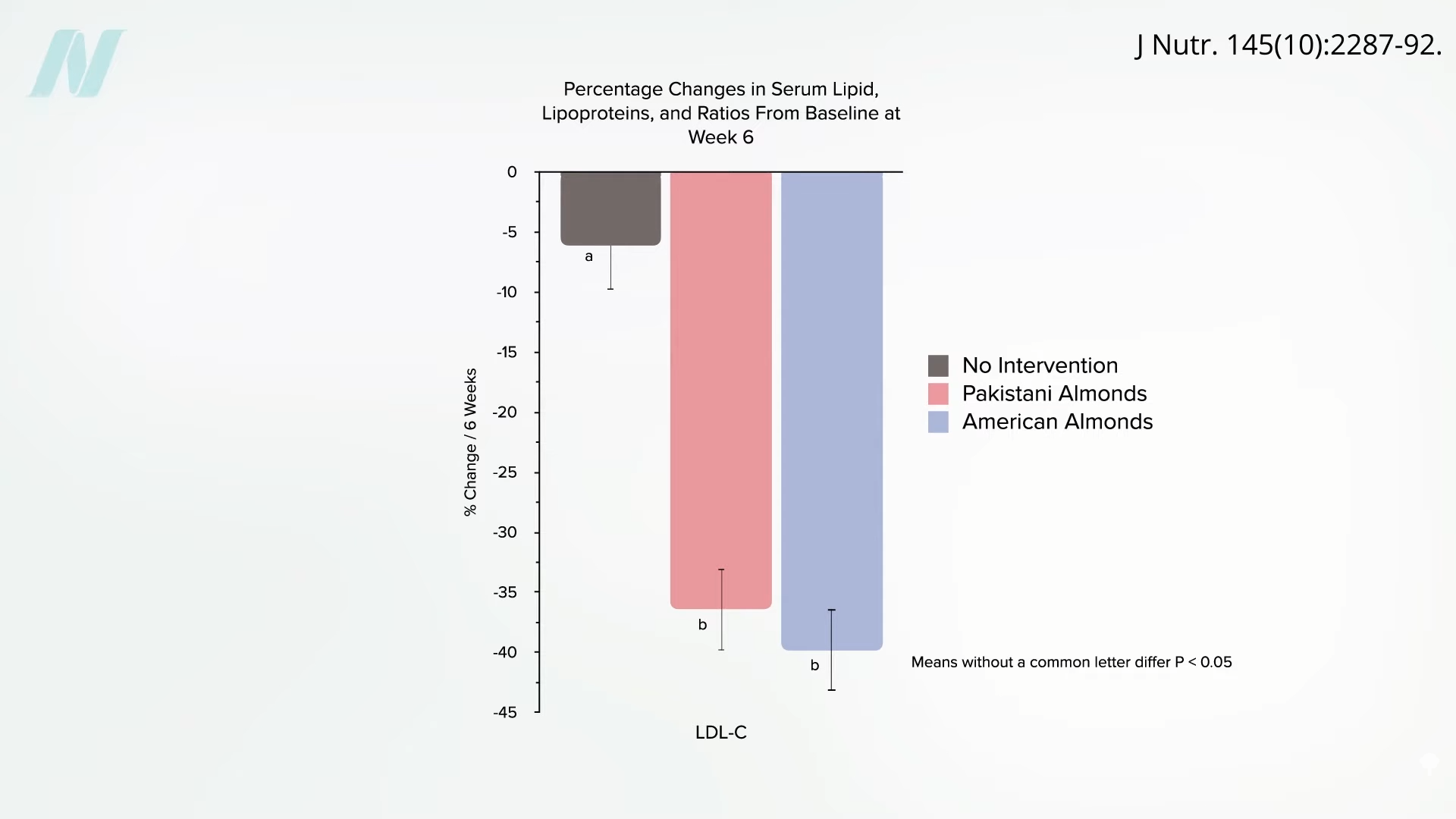
To truly assess the baru nut’s standing in the nutritional hierarchy, a comparative analysis with other commonly consumed nuts is essential. The observed 9% drop in LDL cholesterol from a 20-gram serving of baru nuts is a valuable benchmark. For context, studies on regular almonds have shown comparable or even superior results at different dosages. For instance, one study reported a 6% reduction in LDL cholesterol with a daily intake of 25 grams of almonds over four weeks. Another study, which involved participants consuming just 10 grams of almonds per day (approximately seven almonds), reported a remarkable 30% drop in LDL cholesterol within the same timeframe as the baru nut study.
When comparing efficacy on a per-serving or per-calorie basis, the data suggests that 20 grams of baru nuts may perform as well as 73 grams of almonds. This indicates that, ounce for ounce, baru nuts might offer a concentrated benefit. However, the sheer volume of research supporting the cholesterol-lowering effects of almonds, with numerous randomized controlled trials conducted over decades, provides a higher degree of confidence in their established benefits.
The discrepancy in findings regarding baru nuts is highlighted by a separate cholesterol trial. In this study, researchers observed no significant benefit for LDL cholesterol, even when participants consumed the same 20-gram dose for an extended period of eight weeks. This inconsistency in research outcomes necessitates further investigation to establish definitive conclusions about the baru nut’s efficacy in cholesterol management.
The Crucial Factor: Advanced Glycation End-Products (AGEs)
Beyond the direct nutritional comparisons, a critical factor influencing the recommendation of baru nuts over other options lies in their processing. A significant concern arises from the fact that raw baru nuts cannot be consumed. They contain certain compounds that require inactivation through heat treatment before they become safe for ingestion. This is a pivotal point when considering the broader implications of AGEs (Advanced Glycation End-products), also known as glycotoxins.
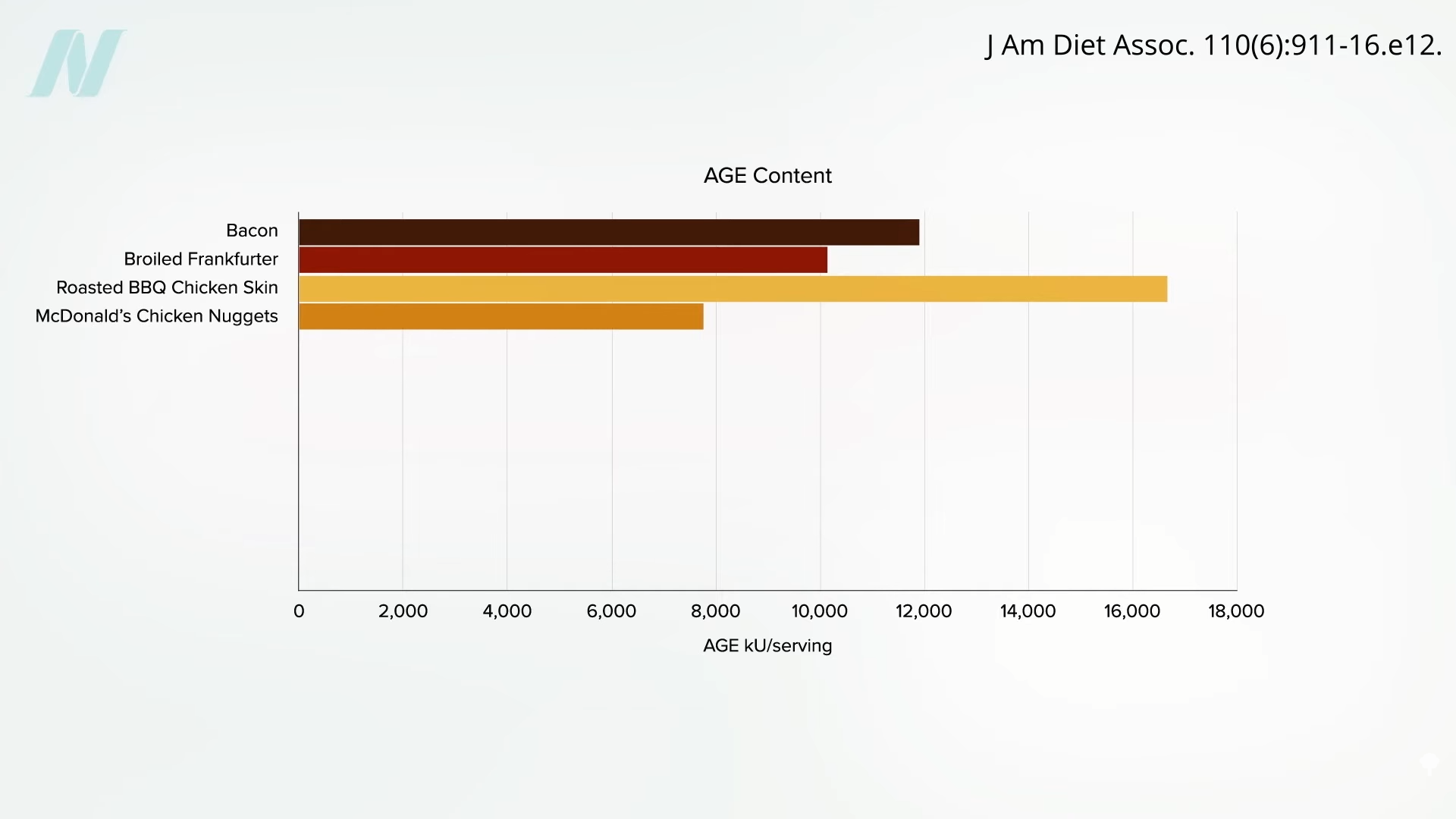
AGEs are compounds that can form in food, particularly through dry-heat cooking methods like grilling and roasting. They are known contributors to oxidative stress and inflammation within the body. While AGEs are naturally present in uncooked animal-derived foods, dry-heat processing can significantly increase their levels. For example, some of the highest recorded levels of AGEs have been found in bacon, broiled hot dogs, and roasted barbecued chicken skin.
While plant-based foods generally contain lower levels of AGEs, even after cooking, the presence of fat and protein can lead to AGE formation at sufficiently high temperatures. This is particularly relevant for nuts and seeds. Roasted nuts and seeds can exhibit higher AGE content compared to their raw counterparts. This observation leads to a recommendation for prioritizing raw nuts and seeds, as well as nut and seed butters, whenever a choice is available, to minimize AGE intake. The necessity of heat-treating baru nuts before consumption places them in a category where their AGE profile, post-processing, warrants careful consideration in comparison to readily available raw nut options.
Broader Implications and Future Directions
The exploration of the baru nut offers a compelling case study at the intersection of nutrition, conservation, and sustainable agriculture. The economic incentive to cultivate and harvest baru nuts could play a vital role in protecting the fragile Cerrado ecosystem. By demonstrating that these native trees can provide a valuable and marketable product, there is a stronger argument against their displacement by more destructive land-use practices.
The ongoing research into the health benefits of baru nuts, particularly their impact on cholesterol, is crucial. As human studies continue to emerge, a clearer picture of their efficacy will undoubtedly develop. The comparison with well-established nuts like almonds, which have a robust body of scientific evidence supporting their health benefits, provides a valuable benchmark.
The challenge of AGEs in processed foods, including baru nuts, highlights a broader public health consideration. Consumers are increasingly aware of the impact of food processing on nutritional quality and the potential formation of harmful compounds. Education on the benefits of raw versus processed foods, especially concerning AGEs, is essential for informed dietary choices.
For individuals looking to incorporate nutrient-dense snacks into their diets, the recommendation of a quarter cup of nuts or seeds, or two tablespoons of nut or seed butter daily, as part of a balanced eating plan, remains a cornerstone of healthy eating. The inclusion of baru nuts within this framework will depend on further scientific validation of their unique benefits and a comprehensive understanding of their processing and AGE content relative to other available options. The story of the baru nut is far from over; it represents an evolving narrative in our understanding of food, health, and the environment.






