 admin
admin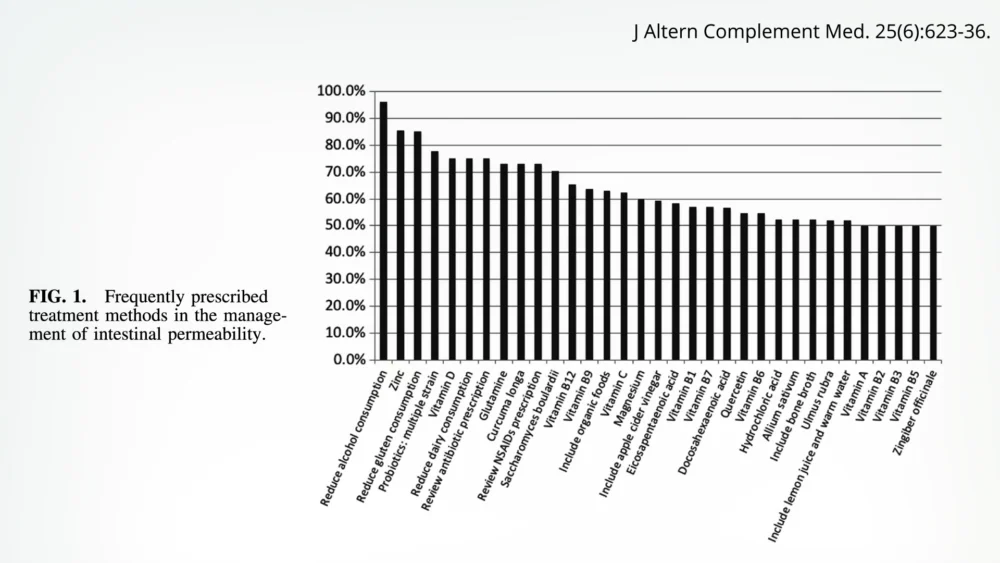
The human intestinal tract serves as our primary interface with the external environment, a complex barrier that meticulously regulates the passage of substances into our bodies. Normally, this intricate system functions with remarkable impermeability, selectively allowing nutrients and beneficial compounds to enter while preventing harmful elements from breaching its defenses. However, a growing body of research indicates that dietary choices, particularly those aligned with the standard Western diet, can significantly compromise this crucial intestinal barrier, leading to a condition often referred to as "leaky gut." This disruption, characterized by increased intestinal permeability, allows undigested food particles, microbes, and toxins to enter the bloodstream, potentially triggering chronic systemic inflammation and a cascade of health issues. Understanding the dietary strategies that can fortify this vital barrier is paramount to maintaining overall well-being.
Understanding the Gut Barrier and the Impact of Diet
The intestinal lining is composed of a single layer of epithelial cells, tightly bound together by specialized protein complexes known as tight junctions. These junctions are essential for maintaining the integrity of the barrier, preventing the paracellular passage of unwanted substances. When these tight junctions are compromised, the barrier becomes "leaky," allowing larger molecules and even microbial components to cross into the underlying tissues and the bloodstream.
The standard American or Western diet, often rich in processed foods, refined sugars, unhealthy fats, and low in fiber, has been implicated as a major contributor to gut dysbiosis – an imbalance in the gut microbiome. This imbalance can fuel intestinal inflammation, which in turn weakens the tight junctions and exacerbates gut permeability. The consequences can be far-reaching, contributing to a range of chronic inflammatory conditions that extend beyond the digestive system.
The Protective Power of Plant-Based Diets
Emerging scientific evidence strongly suggests that a predominantly plant-based diet is a cornerstone of effective leaky gut treatment and prevention. This dietary approach, characterized by the consumption of a wide variety of fruits, vegetables, whole grains, legumes, nuts, and seeds, fosters a healthier gut microbiome, enhances intestinal barrier function, and reduces inflammation.
Research has consistently shown that individuals adhering to vegetarian diets tend to exhibit a more balanced gut microbiome with greater bacterial diversity. This enhanced microbial ecosystem is associated with improved integrity of the intestinal barrier. Furthermore, plant-based diets are typically lower in uremic toxins, such as indole and p-cresol, which are byproducts of protein metabolism and can be detrimental to gut health.
The Crucial Role of Dietary Fiber
Dietary fiber, a non-digestible carbohydrate abundant in plant foods, plays a pivotal role in supporting gut health. It serves as the primary food source for beneficial gut bacteria, promoting their growth and activity. In turn, these bacteria ferment fiber to produce short-chain fatty acids (SCFAs), such as butyrate, acetate, and propionate. SCFAs are vital for the health of the intestinal epithelial cells, providing them with energy, reducing inflammation, and helping to preserve the integrity of the gut lining.

A study involving individuals with non-alcoholic fatty liver disease (NAFLD) provided compelling evidence for the benefits of a plant-rich diet. After six months of consuming whole grains, beans, lentils, fruits, vegetables, nuts, and seeds, participants experienced a significant reduction in zonulin levels. Zonulin is a protein considered the sole measurable biomarker reflecting impairment of the intestinal barrier. Elevated zonulin levels indicate a breakdown in the tight junctions between gut epithelial cells, a hallmark of leaky gut. The observed decrease in zonulin levels in this study strongly suggests that an appropriate intake of fiber, inherent in these whole plant foods, contributes to maintaining the proper structure and function of the intestinal barrier.
Scientific Validation: The Fiber-Specific Impact
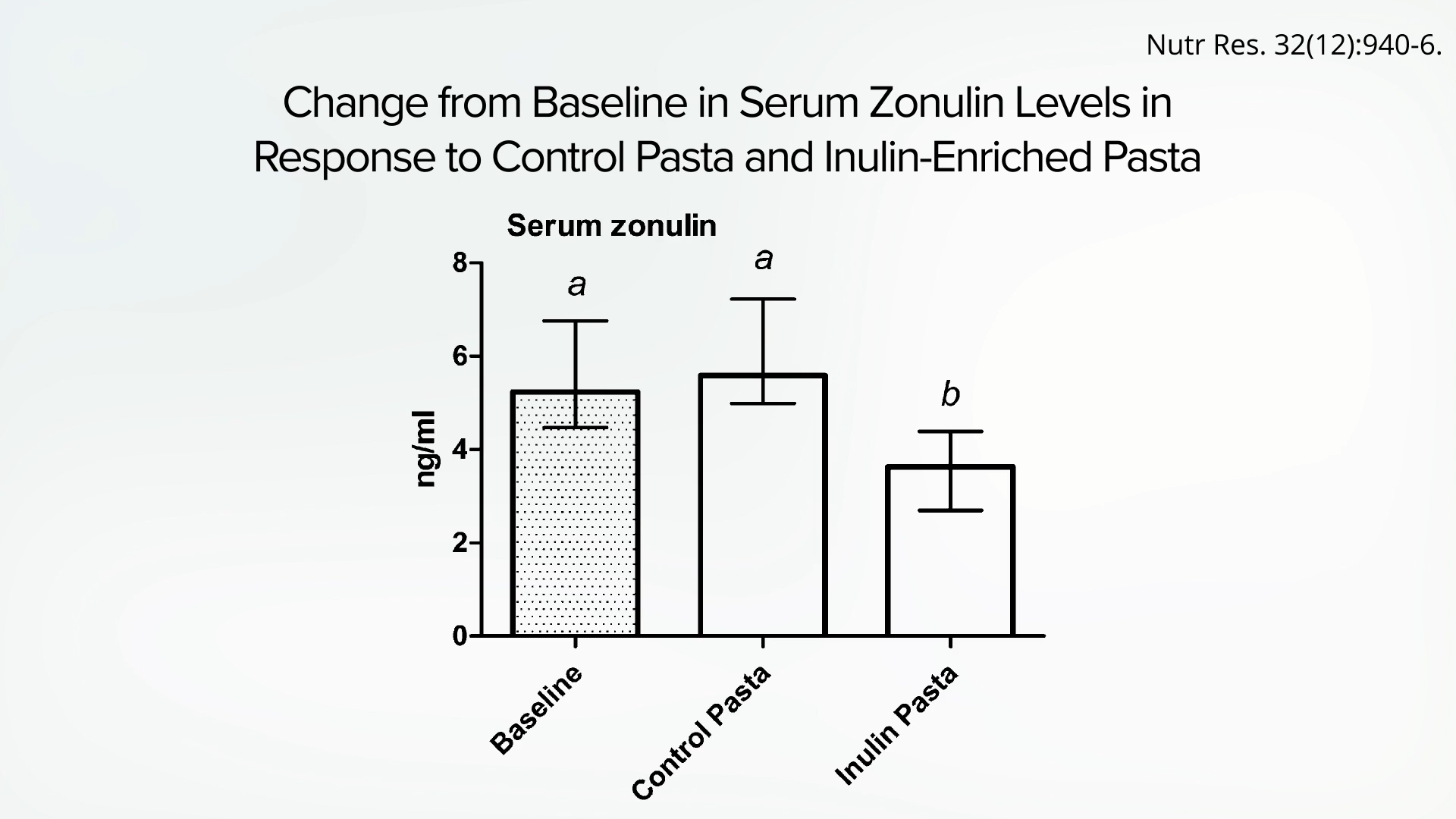
While the initial study highlighted the positive impact of a comprehensive plant-based diet, questions remained about the specific contribution of fiber. To address this, a more targeted investigation was conducted using a randomized, double-blind, crossover study design – the gold standard for establishing cause and effect. In this study, healthy young men were divided into groups that consumed pasta with or without added fiber. The results were significant: the group that consumed pasta with added fiber demonstrated a marked reduction in zonulin levels compared to both their pre-intervention baseline and the control group. This finding provides robust scientific validation that dietary fiber, independent of other food components, plays a crucial role in mitigating gut leakiness.
Beyond Fiber: Specific Plant Compounds and Nutrients
While fiber is a primary driver of gut barrier health, certain plant-derived compounds and essential nutrients also offer protective benefits.
Curcumin and Sulforaphane: Potent Anti-Inflammatory Agents
Curcumin, the vibrant yellow pigment found in turmeric, has demonstrated promising effects in protecting the intestinal lining. Animal studies have shown that curcumin can help prevent intestinal damage induced by non-steroidal anti-inflammatory drugs (NSAIDs) like ibuprofen. Similarly, sulforaphane, a compound found in cruciferous vegetables such as broccoli, has exhibited protective properties against gut damage in mice.
While direct human studies on sulforaphane’s impact on leaky gut are still limited, research involving turmeric in humans has yielded positive results. A study where participants consumed the equivalent of two to three teaspoons of turmeric daily for three days reported a reduction in markers of gastrointestinal barrier damage and inflammation triggered by exercise, compared to a placebo group. This suggests that even moderate intake of turmeric can contribute to gut health.
Zinc: An Essential Mineral for Gut Integrity
Zinc is another nutrient frequently highlighted by alternative medicine practitioners for its role in managing leaky gut. Beyond its general health benefits, zinc has been shown in animal models to protect against NSAID-induced intestinal damage.
A randomized trial involving healthy adults provided further evidence of zinc’s protective effects. When participants were administered indomethacin, an NSAID known to increase gut permeability, those who also received zinc supplementation did not experience the expected rise in intestinal permeability. This finding strongly suggests a protective role for zinc in the small intestine.
While the initial human study utilized a very high dose of zinc (75 mg per day), which significantly exceeds the tolerable upper daily limit, subsequent research has indicated that even lower doses can be effective. A study found significant improvements in gut leakiness with a dose of just 3 mg of zinc, suggesting that modest supplementation or dietary intake can be beneficial. For context, a single cup (200g) of cooked lentils can provide an additional 3 mg of zinc to the daily diet.
Dietary Recommendations for a Healthy Gut Barrier
Based on the current scientific understanding, a multifaceted dietary approach is recommended for treating and preventing leaky gut:
- Prioritize Whole Plant Foods: A diet rich in fruits, vegetables, whole grains, legumes, nuts, and seeds is fundamental. These foods provide a wealth of fiber, antioxidants, vitamins, and minerals essential for gut health.
- Increase Fiber Intake: Aim for a consistent intake of diverse dietary fibers to nourish beneficial gut bacteria and promote SCFA production. This includes soluble and insoluble fibers found in various plant sources.
- Incorporate Zinc-Rich Foods: Include foods naturally high in zinc, such as lentils, chickpeas, beans, nuts, seeds, and whole grains, to support intestinal barrier function.
- Consider Turmeric: Adding turmeric to meals can provide beneficial curcuminoids, which may help reduce inflammation and protect the gut lining.
- Limit or Avoid Gut Irritants: Reducing consumption of alcohol, processed foods, refined sugars, and unhealthy fats can significantly alleviate stress on the intestinal barrier.
Broader Implications and Future Research
The growing body of evidence linking diet to intestinal barrier health has significant implications for public health. As chronic inflammatory diseases continue to rise, understanding and implementing dietary strategies that support gut integrity could play a crucial role in prevention and management.
While current research provides a strong foundation, further investigation is warranted. Large-scale, long-term human studies are needed to fully elucidate the optimal dietary interventions for various populations and to explore the synergistic effects of different nutrients and food components. Randomized controlled trials focusing on specific food groups and isolated compounds will continue to refine our understanding of how to best harness the power of diet to heal and protect the intestinal barrier.
The journey to a healthier gut begins with informed dietary choices. By embracing a plant-forward approach and ensuring adequate intake of key nutrients like fiber and zinc, individuals can actively work towards strengthening their intestinal barrier and mitigating the risks associated with leaky gut syndrome, ultimately contributing to improved overall health and well-being.
Doctor’s Note: For further insights into preventing gut dysbiosis and leaky gut, readers are encouraged to explore resources such as "Flashback Friday: Gut Dysbiosis: Starving Our Microbial Self" and "Avoid These Foods to Prevent a Leaky Gut."