admin
admin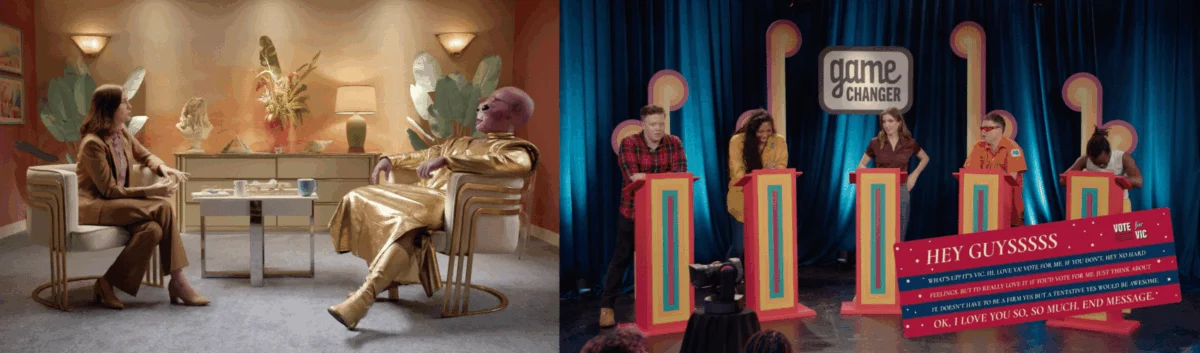
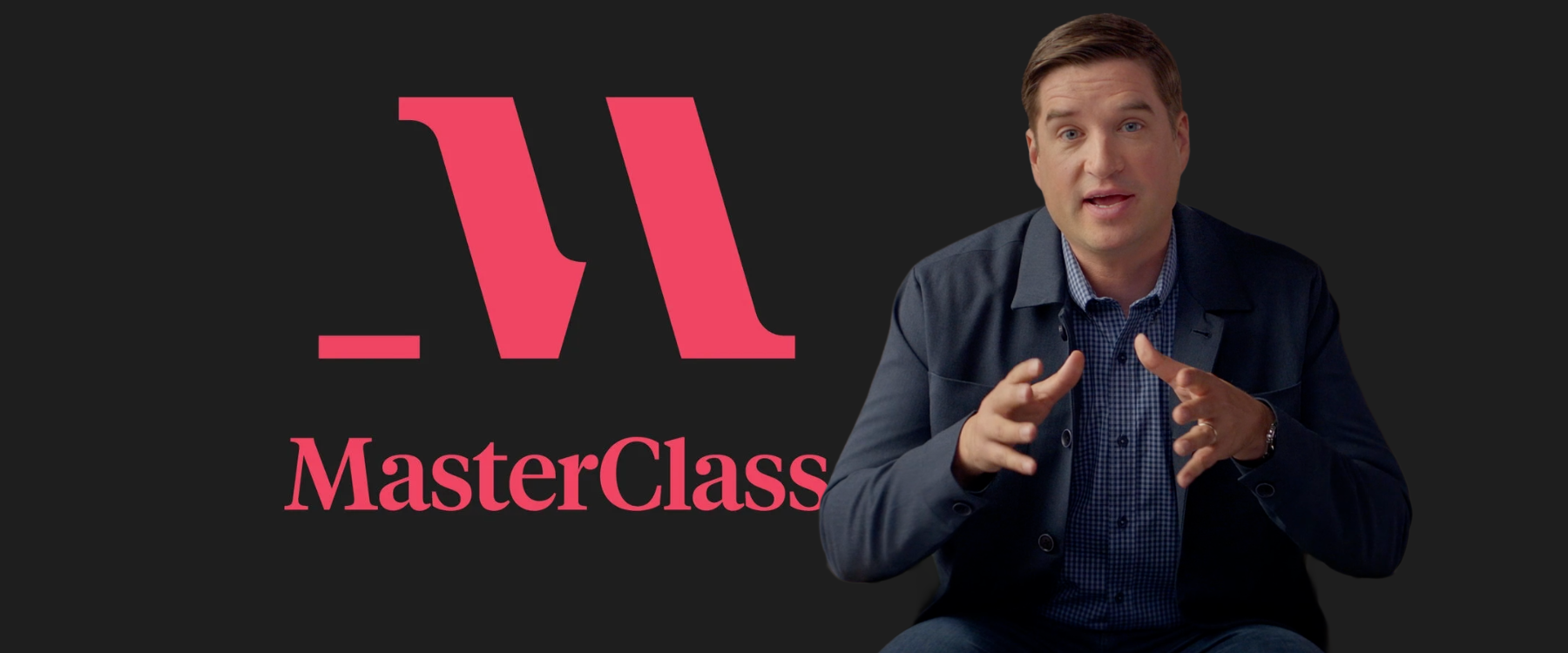
The landscape of digital content consumption is undergoing a fundamental transformation as independent creators adopt high-end production standards traditionally reserved for major television networks and film studios. This shift was recently highlighted by the launch of a new MasterClass course featuring Cal Newport, a prominent author and computer science professor at Georgetown University. The course, titled "Rebuild Your Focus & Reclaim Your Time," represents a convergence of academic expertise and cinematic production, signaling a new era in the "creator economy" where the distinction between independent media and legacy broadcasting is rapidly evaporating.
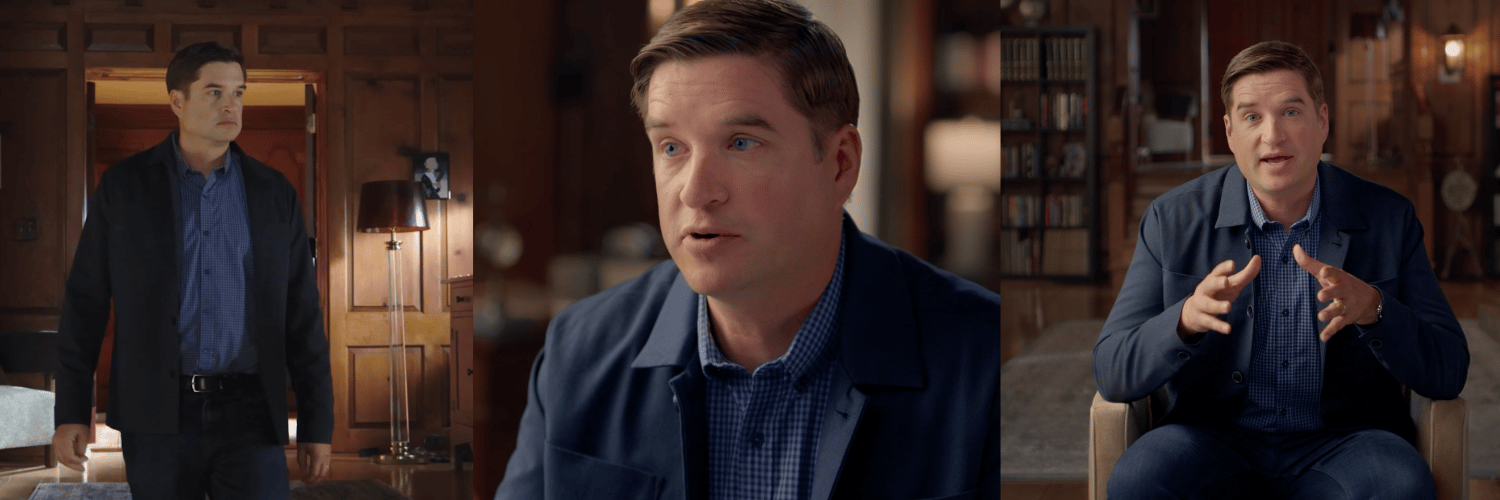
Newport, known for his influential works Deep Work and Slow Productivity, filmed the series in late 2023. While the curriculum focuses on the intersection of technology, cognitive focus, and time management, the production itself has sparked a broader industry discussion regarding the future of niche subscription services. The project moves beyond the standard "prosumer" aesthetic common on platforms like YouTube, utilizing full-scale cinema crews to deliver a product that rivals the visual quality of premium streaming services such as Netflix or HBO.
The Evolution of Production Values in Digital Media
For the past decade, a clear hierarchy has existed in the world of digital video. On the entry level, individual creators produced content with minimal equipment. The middle tier saw the rise of high-end independent video, exemplified by popular podcasts such as The Andrew Huberman Lab, The Mel Robbins Podcast, and The Rich Roll Podcast. These shows typically employ three-camera setups, professional lighting, and high-quality audio recording, yet they remain fundamentally rooted in the aesthetic of digital-first platforms.
However, Newport’s experience with MasterClass illustrates a "third tier" of production that is now becoming accessible to independent entities. Unlike the streamlined crews used for most digital content, the MasterClass production involved a comprehensive hierarchy of specialized roles, including directors, cinematographers, focus pullers, gaffers, grips, and professional makeup artists. This level of technical sophistication serves as a "quality signal" to the consumer, distinguishing the content from the vast sea of free, ad-supported media available on the internet.
The professionalization of this space is not merely aesthetic; it is an economic strategy. As the market for digital content becomes increasingly saturated, high production value serves as a barrier to entry and a justification for subscription-based revenue models. Consumers have demonstrated a willingness to pay for content that looks and feels like "prestige" television, even when the subject matter is educational or niche in nature.
Case Study: The Pivot of Dropout TV and the Birth of the Micro-Streamer
The concept of the "micro-streamer"—a term coined to describe niche subscription services that combine legacy-quality production with a highly focused audience—is best exemplified by the success of Dropout TV. Originally known as CollegeHumor, a staple of early 2000s internet comedy, the company faced an existential crisis during the mid-2010s as social media algorithms began to prioritize short-form, low-cost content, devaluing the high-production sketches CollegeHumor was known for.
In 2018, the company transitioned to a subscription-only model under the name Dropout. By moving away from the "whims of advertisers" and the volatility of the YouTube algorithm, Dropout was able to invest in high-end, unscripted programming. Today, the service boasts over one million subscribers who pay a monthly fee of $6.99 for access to shows like Dimension 20 and Game Changer. These programs are filmed with a level of polish that is indistinguishable from major network reality competitions, such as Netflix’s Is It Cake?.
The success of Dropout TV provides a blueprint for other creators. It demonstrates that a dedicated audience of one million users is more than sufficient to fund a high-end production studio, provided the content is shielded from the downward pricing pressure of mass-aggregation platforms. This "micro-streamer" model allows for creative independence while maintaining the visual authority of a legacy media outlet.
The Economic Implications of the Quality Gap Closure
As the cost of high-end cinema equipment decreases and the pool of freelance technical talent grows, more independent creators are expected to exit the "ad-revenue trap." For years, digital creators have been caught in a cycle of producing high volumes of content to satisfy the demands of algorithmic discovery. This often leads to "burnout" and a plateau in production quality.
The closing gap between independent and legacy production values suggests several key shifts in the media economy:
- De-platforming for Premium Content: High-value creators are increasingly using platforms like YouTube as a marketing funnel rather than a primary revenue source. The "premium" experience is being moved to proprietary apps and websites where creators retain 100% of the data and a higher percentage of the revenue.
- The Professionalization of the Creator Workforce: The demand for high production values in the independent space is creating a new market for traditional film industry professionals. Gaffers, cinematographers, and editors who once worked exclusively on films or commercials are now finding steady work in the "micro-streamer" economy.
- Subscription Fatigue vs. Niche Loyalty: While the broader streaming market (Disney+, Max, Paramount+) is struggling with "subscription fatigue," niche micro-streamers are seeing high retention rates. This is attributed to the "focused audience" model, where content is tailored to a specific community rather than a broad, generic demographic.
Technological Drivers of Change
The ability of a service like MasterClass or Dropout to rival Netflix in visual quality is driven by the democratization of technology. A decade ago, the "film look" required expensive 35mm film stock or digital cameras costing upwards of $100,000. Today, cinema-grade cameras from manufacturers like Blackmagic Design, Sony, and RED are available at a fraction of that cost, allowing independent studios to achieve high dynamic range and professional color grading on a modest budget.
Furthermore, the rise of remote collaboration tools and high-speed internet allows independent productions to hire top-tier post-production talent globally. An independent creator in Washington, D.C., can have their footage color-graded by a professional in Los Angeles and sound-mixed by an expert in London, further narrowing the gap between "indie" and "studio" outputs.
Analysis: The Future of "The Deep Life" and Targeted Competition
The launch of Newport’s MasterClass course on focus and productivity arrives at a time when the "attention economy" is under intense scrutiny. Newport’s philosophy of "Slow Productivity" emphasizes doing fewer things but doing them better—a philosophy that appears to be mirrored in the production of the course itself. By investing in a high-quality, polished product, the platform encourages a more deliberate and focused viewing experience, contrasting with the "doom-scrolling" nature of traditional social media.
The potential for a "Deep Life TV" or similar specialized apps indicates that the next phase of the digital revolution will be defined by quality over quantity. As Newport suggests, the day may soon come when niche apps dedicated to specific lifestyle philosophies or educational subjects sit alongside major entertainment giants on the home screens of smart TVs.
Conclusion
The professionalization of independent video represents a significant maturation of the digital media market. As the visual distinction between a YouTube video and a Netflix special disappears, the power shifts from the platforms that aggregate content to the creators who own the audience.
The success of Newport’s collaboration with MasterClass and the continued growth of micro-streamers like Dropout TV suggest that the future of media is not a "winner-take-all" landscape dominated by a few Hollywood giants. Instead, it is becoming a fragmented but high-quality ecosystem where expertise, high production values, and direct-to-consumer relationships define success. For the viewer, this shift promises a more diverse array of high-quality content; for the creator, it offers a path toward sustainable, independent, and professionalized artistry.