admin
admin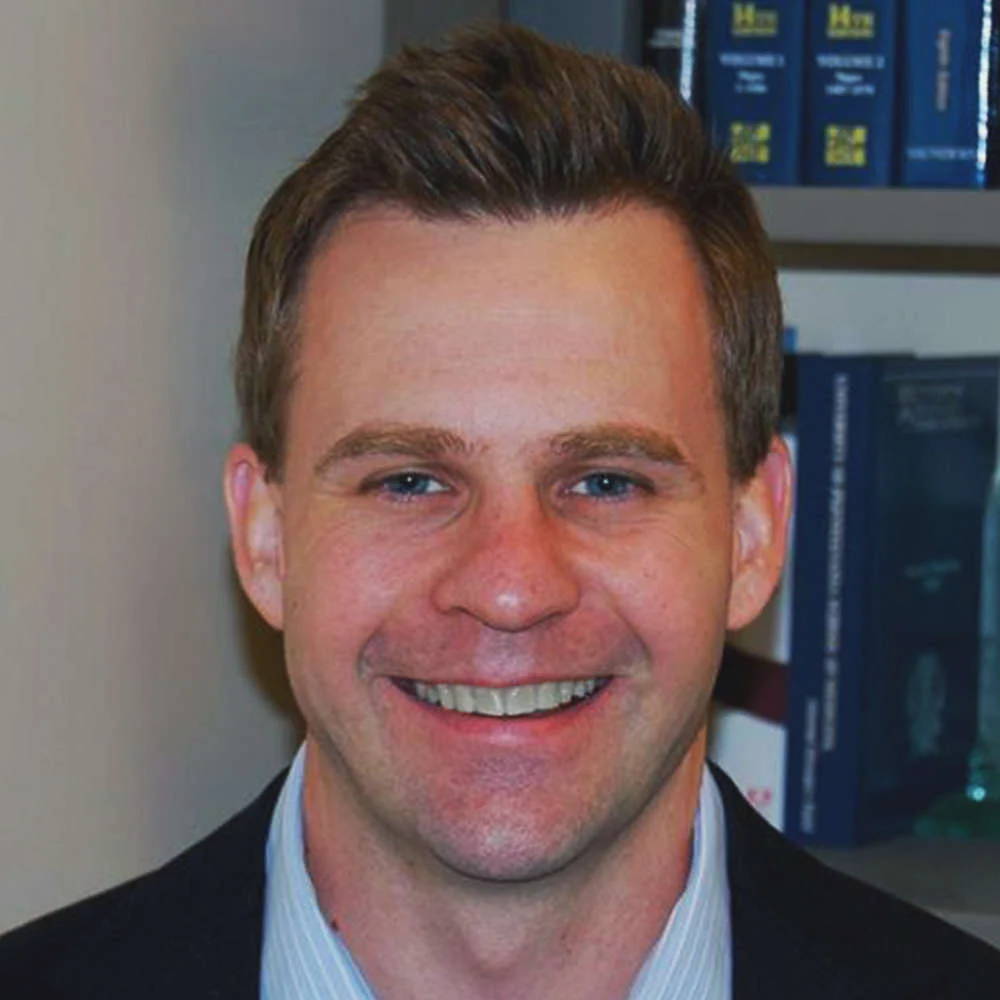
Obsessive-Compulsive Disorder (OCD) represents a complex and often debilitating mental health condition characterized by a cycle of intrusive, distressing thoughts known as obsessions, followed by repetitive behaviors or mental acts termed compulsions. While the colloquial use of the term "OCD" is frequently applied to individuals who exhibit a preference for cleanliness or order, clinical OCD is a profound psychiatric diagnosis that necessitates significant impairment in daily functioning. According to the Diagnostic and Statistical Manual of Mental Disorders, Fifth Edition (DSM-5), the disorder is no longer categorized strictly as an anxiety disorder but occupies its own distinct category, reflecting its unique neurobiological and symptomatic profile.
The hallmark of the condition is the presence of "ego-dystonic" thoughts. This clinical term describes impulses or images that are inconsistent with the individual’s self-image, beliefs, or desires. Consequently, those suffering from OCD often recognize that their thoughts are irrational or excessive, yet they find themselves unable to suppress the resulting anxiety without performing specific ritualistic actions. This cycle can consume hours of a person’s day, effectively paralyzing their ability to maintain employment, education, or interpersonal relationships.
The Symptomatic Framework: Obsessions and Compulsions
The clinical presentation of OCD is bifurcated into two primary components: obsessions and compulsions. While it is possible for a patient to present with only one of these, the vast majority of cases involve a symbiotic relationship between the two.
Obsessions are persistent and recurrent thoughts, urges, or images that are experienced as intrusive and unwanted. Common thematic categories include contamination (fears of germs, chemicals, or environmental toxins), symmetry and order (the need for items to be aligned "just right"), and taboo thoughts (unwanted intrusive images involving violence, religion, or sexual content). These are not merely excessive worries about real-life problems; they are profound cognitive interruptions that trigger a "false alarm" in the brain’s fear-processing centers.
In response to these obsessions, individuals develop compulsions. These are repetitive behaviors—such as hand washing, ordering, or checking—or mental acts, such as praying, counting, or repeating words silently. The primary objective of a compulsion is to neutralize the anxiety caused by an obsession or to prevent a dreaded event from occurring. However, these actions are either not connected in a realistic way to what they are designed to neutralize or are clearly excessive. For instance, an individual may feel compelled to tap a light switch exactly sixteen times to prevent a family member from being involved in a car accident.
Clinical Demographics and the Chronology of Onset
The epidemiological data surrounding OCD highlights a significant public health challenge. In the United States alone, approximately 3 million adults are affected by OCD annually, representing roughly 1.2% of the population. Globally, the World Health Organization has previously ranked OCD as one of the top ten leading causes of disability-related loss of income and decreased quality of life.

The chronology of the disorder typically begins in late childhood or early adolescence. Statistics indicate that approximately one-third of adult sufferers first experienced symptoms as children. The average age of formal diagnosis is 19, though many individuals suffer in silence for years—sometimes decades—before seeking professional help due to the shame or stigma associated with their intrusive thoughts.
Gender distribution in OCD is relatively balanced among adults, although some studies suggest that prepubertal onset is more common in males. If left untreated, the course of OCD is usually chronic, with symptoms waxing and waning in intensity. Periods of high stress, major life transitions, or physical illness are known to exacerbate the severity of both obsessions and compulsions.
Etiology: The Biological and Environmental Drivers
Despite decades of intensive research, the medical community has not identified a single, definitive cause for OCD. Instead, a consensus has emerged that the disorder is the result of a complex interplay between genetic, neurological, and environmental factors.
- Neurobiological Factors: Advanced neuroimaging techniques have identified abnormalities in the communication between the front part of the brain (the orbitofrontal cortex) and deeper structures (the basal ganglia). These brain areas are responsible for "error detection" and the initiation of voluntary movement. In an OCD brain, the "circuit" essentially gets stuck, causing the individual to perceive a threat or an error that does not exist.
- Neurochemical Imbalances: The neurotransmitter serotonin is believed to play a critical role in OCD. Serotonin helps regulate mood, sleep, and impulse control. The efficacy of Selective Serotonin Reuptake Inhibitors (SSRIs) in treating OCD provides strong evidence for this chemical link.
- Genetics: Twin studies and family history research suggest a strong hereditary component. Individuals with a first-degree relative (parent or sibling) who has OCD are at a significantly higher risk of developing the disorder themselves.
- Environmental Triggers: Traumatic life events can trigger the onset of OCD in individuals who are already biologically predisposed. Furthermore, a specific subset of pediatric OCD, known as PANDAS (Pediatric Autoimmune Neuropsychiatric Disorders Associated with Streptococcal Infections), suggests that in some children, a misdirected immune response to a strep infection can lead to the sudden onset of OCD symptoms.
Modern Treatment Modalities: A Multidisciplinary Approach
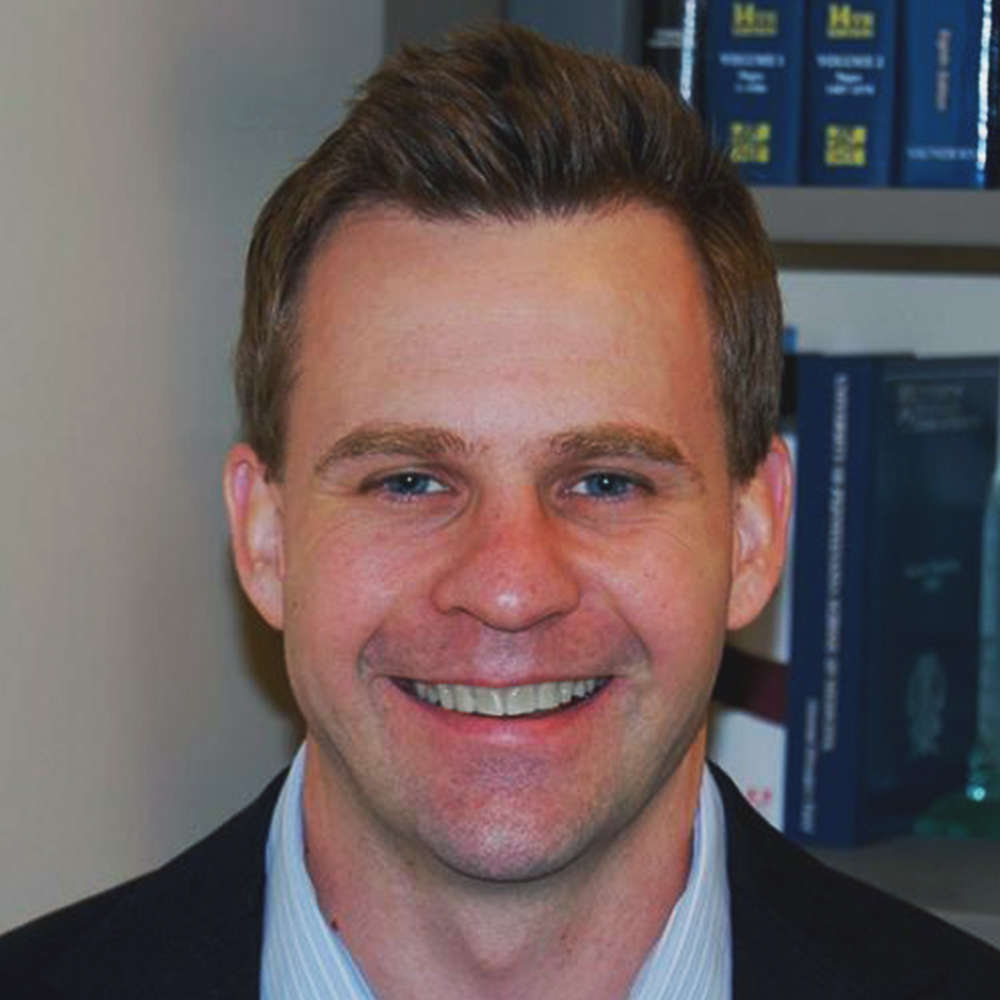
The modern standard of care for OCD involves a combination of specialized psychotherapy and pharmacotherapy. Clinical experts, including Dr. Brian P. Brennan of Harvard Medical School and McLean Hospital, emphasize that while medication can reduce the "volume" of obsessive thoughts, it is often insufficient when used in isolation.
Psychotherapy and the Role of ERP
The "gold standard" for OCD psychotherapy is a specific form of Cognitive Behavioral Therapy (CBT) known as Exposure and Response Prevention (ERP). Unlike traditional talk therapy, which may focus on the origins of thoughts, ERP is behavioral and action-oriented.
In ERP, patients are systematically exposed to the objects or ideas that trigger their obsessions (Exposure) but are instructed to refrain from performing their usual ritualistic behaviors (Response Prevention). Over time, through a process called habituation, the brain learns that the perceived threat is not real and that the anxiety will eventually dissipate on its own without the need for a compulsion. For example, a patient with a fear of contamination might be asked to touch a doorknob and then wait for an hour before washing their hands.
Pharmacological Interventions
Medications are frequently used to manage the intense anxiety and depression that often co-occur with OCD. SSRIs, such as fluoxetine (Prozac), sertraline (Zoloft), and fluvoxamine (Luvox), are the primary pharmacological tools. These medications increase the availability of serotonin in the brain. In more severe or treatment-resistant cases, clinicians may prescribe tricyclic antidepressants like clomipramine or augment SSRIs with low doses of antipsychotic medications to help stabilize the neural circuits.
Holistic and Integrative Supplements
As the understanding of the mind-body connection deepens, many clinicians recommend supplementing traditional treatments with mindfulness-based stress reduction, yoga, and meditation. These practices help patients develop a "non-judgmental" awareness of their thoughts, allowing them to observe an obsession without immediately reacting to it.
Expert Perspectives and Research Innovations
Research into the neurobiology of OCD is currently moving toward "translational neuroscience," a field that seeks to turn laboratory discoveries into clinical treatments. Dr. Brian P. Brennan, Director of Medical Research at the Obsessive-Compulsive Disorder Institute, has focused his work on identifying novel biological targets for therapy. By using neuroimaging to identify neurochemical mediators, researchers hope to develop medications that are more targeted and have fewer side effects than current options.
The move toward identifying specific "treatment mechanisms" allows for a more personalized approach to psychiatry. For patients who do not respond to traditional ERP or SSRIs, newer interventions such as Transcranial Magnetic Stimulation (TMS) and Deep Brain Stimulation (DBS) are being utilized. These methods involve using magnetic fields or implanted electrodes to directly influence the activity of the brain circuits implicated in OCD.
The Broader Societal and Economic Impact
The implications of OCD extend far beyond the individual sufferer. The economic burden is substantial, involving both direct costs (healthcare utilization and medications) and indirect costs (lost workplace productivity and caregiver burden). A study published in the Journal of Clinical Psychiatry estimated the annual economic cost of OCD in the U.S. to be billions of dollars, largely driven by the fact that the disorder often strikes during an individual’s most productive years.
Furthermore, the social impact includes strained family dynamics. Families often fall into the trap of "accommodation"—helping the sufferer perform rituals in an attempt to reduce their distress. While well-intentioned, research shows that accommodation actually reinforces the OCD cycle and can lead to increased family conflict and caregiver burnout.
Conclusion and Future Outlook
Obsessive-Compulsive Disorder remains a challenging condition, but the landscape of treatment has never been more promising. The shift from viewing OCD as a personality quirk to recognizing it as a legitimate neurobiological disorder has paved the way for more effective, evidence-based interventions.
Early intervention remains the most critical factor in improving long-term outcomes. As public awareness grows and the stigma surrounding mental health diminishes, the hope is that the gap between the onset of symptoms and the commencement of treatment will continue to shrink. For those currently living with the disorder, the message from the clinical community is clear: OCD is a highly treatable condition, and through the combination of specialized therapy, medication, and ongoing research, recovery and a return to a functioning, fulfilling life are entirely possible.