
 admin
admin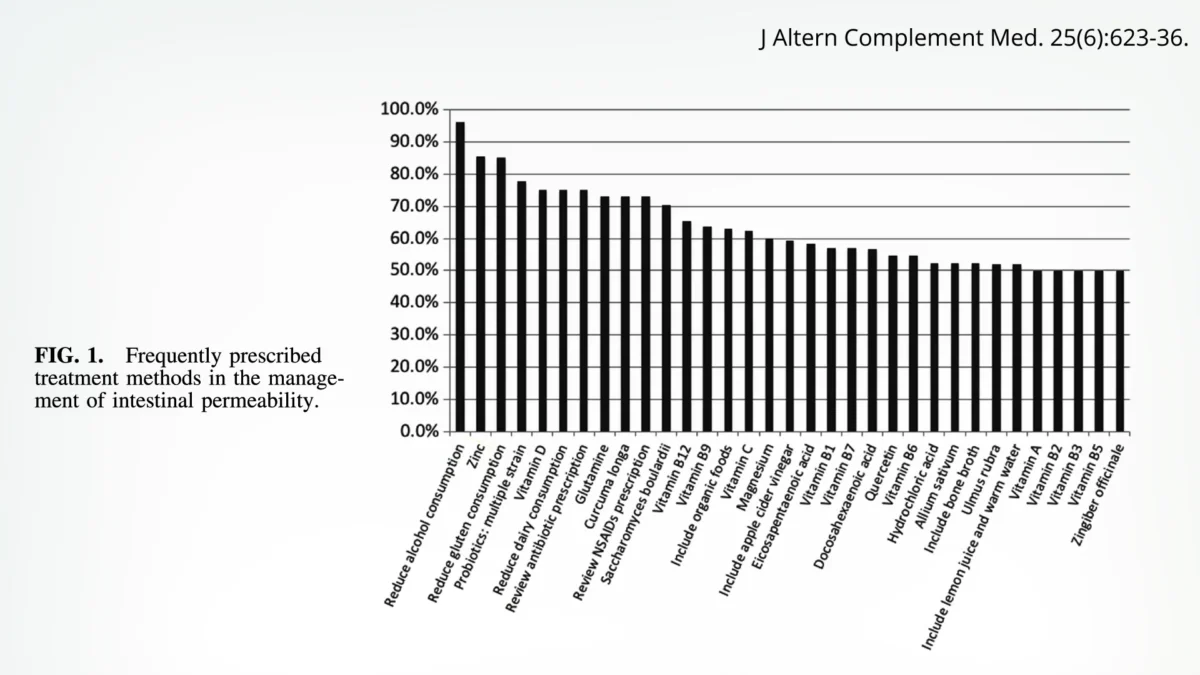
The human intestinal tract serves as our largest and most critical interface with the external environment. Far beyond the air we breathe or the surfaces we touch, the food we consume represents our most significant ongoing exposure to the outside world. Under normal physiological conditions, the entire gastrointestinal tract maintains a tightly regulated impermeability, meticulously controlling the passage of substances into and out of the body. However, a variety of factors, with diet standing as a chief culprit, can compromise this integrity, leading to a phenomenon often referred to as a "leaky gut." This condition, characterized by increased intestinal permeability, allows undigested food particles, microbes, and toxins to traverse the gut lining into the bloodstream, potentially triggering a cascade of chronic systemic inflammation. Understanding the recommended dietary interventions and specific food components that can bolster the intestinal barrier is paramount for addressing this growing health concern.
The Standard Western Diet and Gut Dysbiosis
The prevailing dietary patterns in many Westernized nations, often characterized by high consumption of processed foods, refined sugars, unhealthy fats, and low intake of fiber, have been strongly linked to gut dysbiosis. This imbalance in the gut microbiome, the complex ecosystem of microorganisms residing in our digestive tract, can precipitate intestinal inflammation. When the gut lining becomes compromised, its selective permeability is disrupted, allowing unwelcome substances to enter the systemic circulation. This breach can initiate and perpetuate chronic inflammation throughout the body, contributing to a wide array of health issues that extend far beyond the digestive system.
The Protective Power of a Plant-Centric Diet
Emerging scientific evidence strongly suggests that a predominantly vegetarian, or more broadly, a plant-based diet, plays a pivotal role in mitigating gut dysbiosis and preserving intestinal barrier integrity. Research indicates that individuals adhering to vegetarian diets exhibit a gut microbiome characterized by greater balance, enhanced bacterial biodiversity, and a more robust intestinal barrier. This dietary pattern is associated with a significant reduction in the production of uremic toxins, such as indole and p-cresol, which are byproducts of protein fermentation in the gut.
Crucially, dietary fiber, the indigestible carbohydrate found abundantly in plant foods, serves as the primary fuel source for beneficial gut bacteria. These microbes ferment fiber to produce short-chain fatty acids (SCFAs), such as butyrate, acetate, and propionate. SCFAs are vital for the health of the intestinal lining, acting as a primary energy source for colonocytes (cells lining the colon) and playing a critical protective and nourishing role. They are instrumental in maintaining the structural integrity of the intestinal barrier, thereby preventing the "leakiness" that can lead to systemic inflammation. Consequently, plant fiber is recognized as being of prime importance in preserving the health and function of the intestinal barrier.
Scientific Evidence: Fiber’s Role in Gut Permeability
To substantiate the impact of dietary fiber on gut health, researchers have conducted several studies. One notable study involved patients diagnosed with non-alcoholic fatty liver disease. Over a six-month period, participants were placed on a diet rich in whole grains, beans, lentils, fruits, vegetables, nuts, and seeds. The results demonstrated a significant reduction in zonulin levels among these individuals.
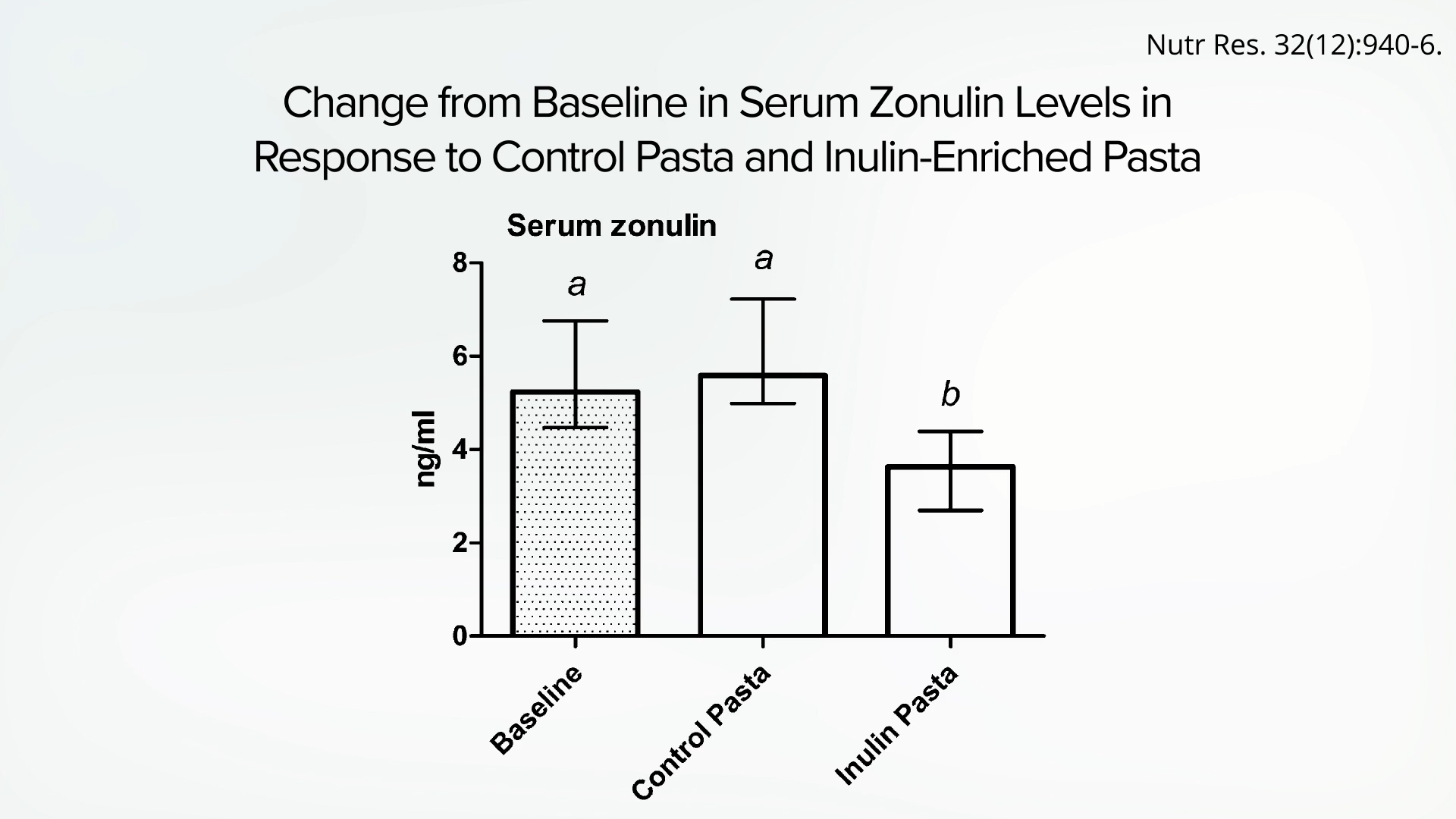
Zonulin is a protein that plays a key role in regulating the integrity of the tight junctions between the cells that form the intestinal lining. These tight junctions are the gatekeepers, controlling what passes through the gut wall. Zonulin is considered the only measurable biomarker that directly reflects impairment of the intestinal barrier. Elevated zonulin levels are thus considered a strong indicator of a "leaky gut." The observed decrease in zonulin in the study participants following a plant-rich diet suggests that adequate fiber intake is crucial for maintaining the proper structure and function of the intestinal barrier.

While this study provided compelling observational data, the researchers themselves acknowledged the need for more rigorous evidence to establish a definitive cause-and-effect relationship between dietary fiber and gut permeability. They noted that while the findings implied that appropriate fiber intake helps maintain barrier function, the study’s design lacked a control group and did not isolate the effects of fiber from other beneficial components of whole plant foods. To definitively prove causality, a randomized, double-blind, crossover study comparing the effects of food with and without added fiber would be ideal.
The Fiber Intervention Study: A Clearer Picture
Fortunately, such a study has been conducted. In a randomized trial involving healthy young men, participants were assigned to consume pasta with or without added fiber. The findings revealed a significant reduction in zonulin levels in the group that consumed pasta with added fiber. This reduction was observed in comparison to both their pre-intervention levels and the levels measured in the control group. This robust evidence strongly supports the notion that dietary fiber can indeed improve gut leakiness. The implications of this finding are substantial, suggesting that dietary modifications focused on increasing fiber intake could be a powerful tool in managing conditions associated with increased intestinal permeability.
Specific Plant-Based Compounds for Gut Health
Beyond the broad impact of fiber, certain specific compounds found in plant foods have demonstrated remarkable potential in protecting and healing the intestinal barrier.
-
Curcumin: This vibrant yellow pigment, derived from the spice turmeric, has shown promise in preclinical studies. Research in rats indicated that curcumin could help prevent intestinal damage induced by non-steroidal anti-inflammatory drugs (NSAIDs) like ibuprofen. While direct human studies on the protective effects of turmeric against NSAID-induced damage are limited, a human trial demonstrated that a daily intake equivalent to approximately two to three teaspoons of turmeric for three days significantly reduced markers of gastrointestinal barrier damage and inflammation caused by strenuous exercise, compared to a placebo group. This suggests that even moderate turmeric consumption may offer tangible benefits for gut health.
-
Sulforaphane: A compound found in cruciferous vegetables such as broccoli, sulforaphane has also garnered attention for its potential gut-protective properties. In studies conducted on mice, sulforaphane exhibited similar protective effects against intestinal damage as observed with curcumin. While human trials specifically investigating sulforaphane’s impact on gut permeability are still in their nascent stages, the preclinical data is encouraging and warrants further investigation in human populations.
The Role of Zinc in Intestinal Barrier Function
In the realm of alternative medicine, zinc is frequently cited as a key intervention for addressing leaky gut, often ranked alongside reducing alcohol consumption. Scientific research has begun to validate these clinical observations.
Zinc’s protective mechanisms extend to its ability to shield the intestinal lining from damage. Studies in rats have shown that zinc can prevent intestinal damage caused by aspirin-like drugs. More importantly, a randomized trial involving healthy adults provided compelling evidence of zinc’s protective effect on the small intestine. In this study, participants were administered indomethacin, a potent NSAID, for five days. As expected, this treatment led to a threefold increase in gut permeability. However, this significant rise in permeability did not occur in participants who also received zinc supplementation. This finding strongly suggests a protective role for zinc in the small intestine.
It is important to note that the dose of zinc used in this particular study was substantial (75 mg per day), which is nearly twice the tolerable upper daily intake for zinc. This raises questions about whether lower, more typical doses, particularly those obtained from dietary sources, can also exert beneficial effects.
Dietary Zinc and Gut Permeability
Further research has addressed this question by examining the effects of lower zinc doses. A study found that even a modest dose of just 3 mg of zinc resulted in significant improvement in gut leakiness. This suggests that even relatively low levels of zinc supplementation may be effective in supporting intestinal barrier function. For individuals seeking to increase their dietary zinc intake, incorporating foods rich in this essential mineral can be beneficial. For instance, consuming approximately one cup (200g) of cooked lentils can provide an additional 3 mg of zinc to the daily diet.
Broader Implications and Future Directions
The growing body of evidence highlighting the impact of diet on intestinal barrier function has significant implications for public health. The prevalence of conditions linked to chronic inflammation, such as inflammatory bowel disease, autoimmune disorders, and metabolic syndrome, underscores the importance of understanding and addressing the root causes of gut dysbiosis and leaky gut.
The research presented here strongly advocates for a shift towards dietary patterns that prioritize whole, unprocessed plant foods. A diet rich in fiber, fruits, vegetables, legumes, nuts, and seeds, while potentially incorporating specific beneficial compounds like curcumin and ensuring adequate zinc intake, appears to be a cornerstone of strategies aimed at healing and maintaining a healthy intestinal barrier.
Future research should continue to explore the synergistic effects of various dietary components and their impact on the gut microbiome and intestinal permeability. Investigating personalized dietary approaches based on individual microbiome profiles and genetic predispositions could also pave the way for more targeted and effective interventions. As scientific understanding deepens, the role of diet in managing and preventing a wide spectrum of chronic diseases is becoming increasingly evident, positioning nutrition as a powerful therapeutic modality.
Doctor’s Note: For further exploration into preventing gut dysbiosis and leaky gut, readers are encouraged to review resources on "Gut Dysbiosis: Starving Our Microbial Self" and "Avoid These Foods to Prevent a Leaky Gut." These materials offer additional insights and practical advice for promoting optimal gut health.






