
 admin
admin
The impact of dietary choices on male reproductive health and sexual function has long been a subject of scientific inquiry. Recent research continues to explore the potential benefits of common food items, such as nuts, in addressing issues ranging from sperm quality to erectile dysfunction. While observational studies have suggested correlations between nut consumption and improved sexual health, the scientific community’s focus is increasingly shifting towards randomized controlled trials to establish definitive cause-and-effect relationships. This article delves into the findings of several studies examining the effects of walnuts, almonds, and hazelnuts on various aspects of male sexual function, sperm health, and erectile capacity, while also contextualizing these findings within the broader landscape of nutritional research and its potential implications.
Historical Context: Early Insights into Nut Consumption and Sexual Health
The conversation around nuts and sexual function is not entirely new. As far back as 2013, research highlighted a significant correlation between pistachio consumption and improvements in erectile function among men experiencing erectile dysfunction (ED). A study published in the International Journal of Impotence Research found that men who consumed 100 grams of pistachios daily for three weeks reported a notable enhancement in their erectile capabilities. This early evidence of a whole-food intervention yielding clinical results sparked further interest in exploring the broader spectrum of nut varieties and their potential physiological effects on male sexual health. The initial findings were particularly encouraging, suggesting that dietary adjustments could offer a viable, non-pharmacological approach for men facing these sensitive health challenges.
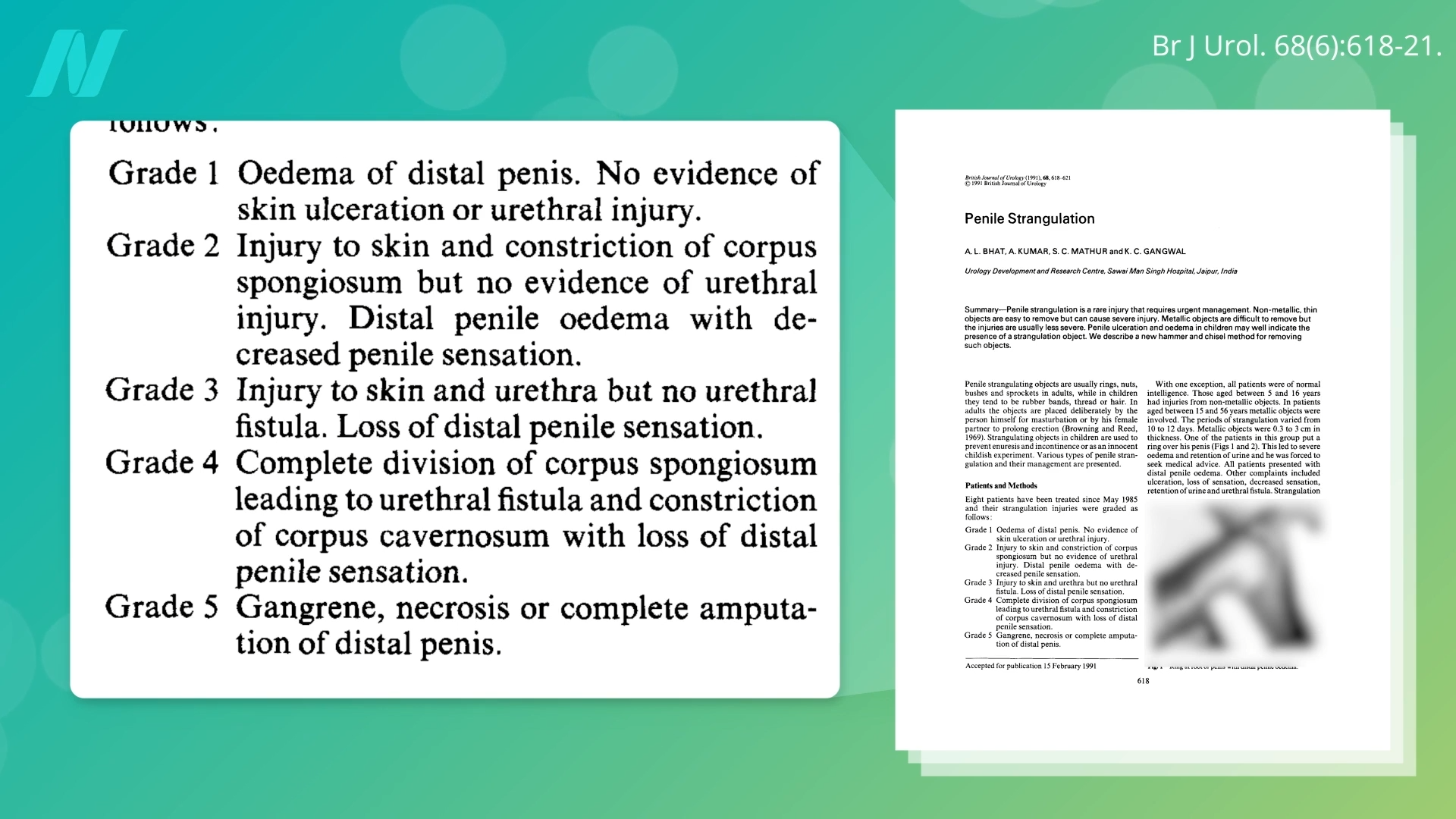
However, the path of scientific exploration is often marked by unexpected detours and the need for rigorous validation. The exploration of nuts and sexual function has, at times, led researchers down unusual avenues. For instance, a peculiar case reported in the medical literature detailed an incident involving penile strangulation with a metal hex nut, an object intentionally applied by an individual for sexual pleasure but subsequently proving irremovable. This extreme example, while not directly related to the dietary benefits of nuts, underscored the diverse and sometimes hazardous interactions that can occur when individuals experiment with objects in the context of sexual activity. The subsequent medical intervention to remove the object involved complex procedures, including the use of specialized cutting tools, highlighting the critical need for medical professionals to be equipped with a wide range of techniques to address such emergencies. The reporting of such cases, while dramatic, also served to emphasize the existing medical literature on penile entrapment, indicating its recognized occurrence within emergency medicine.
The Scientific Scrutiny of Walnuts, Almonds, and Hazelnuts
More recently, a randomized controlled trial published in Andrology specifically investigated the impact of a mixed-nut diet on semen quality and functionality in healthy men. This study, a significant step beyond observational data, involved feeding participants a standard American diet supplemented with a daily combination of 30 grams of walnuts and 15 grams each of almonds and hazelnuts. The results indicated a positive effect on several key markers of male fertility.

Improvements in Sperm Parameters
Men in the nut-consuming group demonstrated statistically significant improvements in their total sperm count, sperm vitality, motility, and morphology (shape). A particularly noteworthy finding was the observed reduction in sperm DNA fragmentation (SDF) among these individuals. Sperm DNA fragmentation refers to damage to the genetic material within sperm cells, which can negatively impact fertility and lead to adverse pregnancy outcomes. The study’s authors suggested that the nuts acted as a protective agent for sperm DNA, potentially due to their rich antioxidant content. Antioxidants are compounds that combat oxidative stress, a cellular damage process implicated in various health issues, including reduced sperm quality.
The implications of these findings are substantial for men struggling with fertility issues. With an estimated 15% of couples worldwide experiencing infertility, and male factors contributing to approximately 40-50% of these cases, any dietary intervention that can demonstrably improve sperm health holds significant promise. The reduction in SDF, in particular, addresses a critical aspect of male reproductive health that has been increasingly recognized for its impact on successful conception and the development of a healthy pregnancy.
Examining Erectile and Sexual Function: A Nuanced Picture
While the study provided compelling evidence for improved semen quality, its findings regarding erectile and sexual function were more complex and warrant careful consideration. The researchers did report a statistically significant increase in orgasmic function and sexual desire among men in the nut group. However, the reporting of these specific outcomes has drawn attention due to the study’s partial funding by the International Nut and Dried Fruit Council.
Independent analysis of the data revealed that while orgasmic function and sexual desire showed an upward trend, the clinical significance of these increases was questionable. More critically, the study found no significant improvement in erectile function, intercourse satisfaction, or overall sexual satisfaction among the participants who consumed the mixed nuts. This discrepancy between the reported positive outcomes and the absence of improvement in core erectile function metrics has led to scrutiny, with some suggesting that the "significant" findings might be marginal or not robust enough to represent a clinically meaningful change for individuals seeking solutions for ED.
The Role of Age and Pre-existing Conditions
The contrasting results between the 2013 pistachio study and the more recent mixed-nut trial may be attributable to differences in the study populations. The original pistachio study focused on men in their 40s and 50s who had pre-existing chronic erectile dysfunction. In contrast, the participants in the mixed-nut trial were younger, with an average age of 24. It is plausible that younger, healthier individuals with optimal circulation may have had less room for improvement in erectile function, as their baseline circulatory health was already near its peak. Older men or those with established ED, on the other hand, might experience more pronounced benefits from dietary interventions that enhance blood flow and vascular health. This highlights the importance of considering the specific health profile and baseline condition of participants when interpreting the results of nutritional studies.
Broader Implications for Male Reproductive Health
The ongoing research into the effects of nuts on male sexual health underscores a growing trend in nutritional science: the move from broad associations to specific, intervention-based evidence. Observational studies, such as those suggesting that increased nut consumption is linked to a lower probability of ED, provide valuable initial insights. However, these studies are susceptible to confounding factors. For example, men who regularly consume nuts might also be more likely to adopt other healthy lifestyle habits, such as regular exercise and a balanced diet overall, making it difficult to isolate the precise impact of nuts alone.
The recent randomized controlled trial, despite its mixed results concerning erectile function, has undeniably advanced the understanding of how specific nuts can positively influence sperm DNA integrity and other semen parameters. This is particularly significant for men experiencing subfertility or infertility, where even small improvements in sperm quality can enhance the chances of conception. The findings suggest that a diet rich in walnuts, almonds, and hazelnuts can contribute to a healthier sperm profile, offering a tangible dietary strategy for improving male fertility.
The Importance of a Holistic Approach
While the specific impact of walnuts, almonds, and hazelnuts on erectile function remains a subject requiring further investigation, particularly in diverse age groups and populations with pre-existing ED, their benefits for sperm health are becoming increasingly clear. The scientific community continues to explore the underlying mechanisms, with the antioxidant and anti-inflammatory properties of these nuts being key areas of focus. These properties can contribute to improved vascular health, which is intrinsically linked to both erectile function and overall reproductive well-being.
The implications of this research extend beyond individual dietary choices. They can inform public health recommendations and dietary guidelines aimed at promoting male reproductive health. As the scientific understanding evolves, it is crucial for consumers to approach such findings with a balanced perspective, recognizing that dietary interventions are often most effective when integrated into a comprehensive healthy lifestyle that includes regular physical activity, stress management, and adequate sleep. The journey to fully understand the intricate relationship between diet and male sexual health is ongoing, with each new study adding a piece to the complex puzzle. The continued investigation into the benefits of nuts, alongside other dietary components and lifestyle factors, holds the promise of empowering men with evidence-based strategies to optimize their reproductive health and sexual vitality.






