
 admin
admin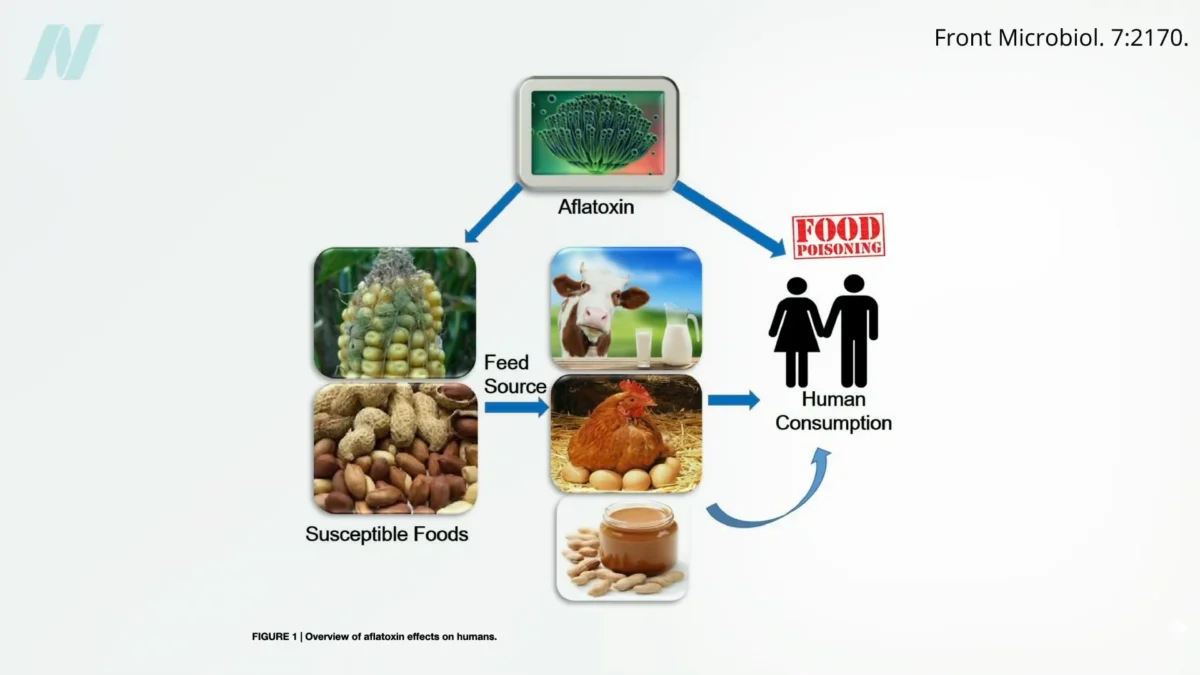
The pervasive notion of "toxic mold syndrome," often cited as the culprit behind a litany of vague and subjective ailments, lacks robust scientific backing. While mold is a ubiquitous presence in our environment, the scientific community has yet to establish a definitive link between airborne mold spores and a distinct clinical syndrome. This concept, however, has deeply entrenched itself in public consciousness, often fueled by questionable practices of entities profiting from home mold testing or the analysis of biological samples like urine and blood for mold-related markers. These diagnostic approaches are frequently criticized for perpetuating misinformation and imposing significant, often exorbitant, financial burdens on individuals desperately seeking explanations for their health concerns. The persistence of this belief system is unfortunately mirrored by other unsubstantiated claims, such as the debunked link between measles vaccines and autism, the efficacy of homeopathy, or the unfounded fears surrounding water fluoridation.
The Tangible Threat: Mycotoxins in the Food Supply
In stark contrast to the nebulous concept of "toxic mold syndrome," the contamination of food by mycotoxins presents a concrete and scientifically validated public health concern. Mycotoxins, potent toxic compounds produced by certain molds, have emerged as a significant contaminant in the global food supply, arguably posing a greater risk than many other potential foodborne hazards. Hundreds of distinct mycotoxins have been identified, but among them, aflatoxin stands out due to its classification as a known human carcinogen. While other mycotoxins, such as ochratoxin, are considered possible human carcinogens, aflatoxin’s carcinogenic properties in humans are unequivocally established. Aflatoxins are among the most potent naturally occurring carcinogens known.
Aflatoxin: A Significant Contributor to Liver Cancer
The impact of aflatoxin exposure on human health is particularly alarming, with estimates suggesting that approximately one-fifth of all liver cancer cases worldwide may be attributable to these toxins. Given that liver cancer ranks as the third leading cause of cancer-related mortality globally, and its prognosis is often dire following diagnosis, the contribution of aflatoxins to this deadly disease is substantial. A critical challenge with aflatoxin contamination is its persistence once it enters the food chain. Conventional food preparation methods, including cooking, are largely ineffective at neutralizing these toxins. Research indicates that once aflatoxins infiltrate crops, or subsequently animal products like meat, dairy, and eggs derived from animals consuming contaminated feed, they remain present and pose a risk.
This underscores the paramount importance of preventative measures to avert contamination at its source. In the United States, for instance, decades of stringent government regulations and industry practices have been in place to mitigate aflatoxin exposure. Companies in developed nations routinely conduct sampling protocols to monitor for aflatoxin levels, incurring significant annual losses, estimated to be close to $1 billion, due to rejected contaminated crops. The economic implications could escalate further, with projections suggesting that climate change may exacerbate aflatoxin contamination in key agricultural regions like the Midwest Corn Belt.
Global Disparities in Aflatoxin Exposure and Impact
On a consumer level, aflatoxin contamination represents a more pronounced public health challenge in less industrialized regions of the world, particularly in African nations. In these areas, environmental conditions can be more conducive to mold growth, and the economic realities often preclude farmers from discarding entire harvests of contaminated crops. Consequently, aflatoxin remains a significant public health threat across Africa, Southeast Asia, and rural China, impacting the health of more than half of the global population. This widespread exposure is believed to contribute to a significantly higher prevalence of liver cancer in these regions, with rates reportedly up to 30 times higher than in the United States or Europe.

Regulatory Frameworks and Consumer Protection in the U.S.
In contrast, the United States and Europe have implemented robust regulatory frameworks to control aflatoxin levels in food. While these measures aim to keep exposure "as low as practical," rather than "as low as possible," they have demonstrably reduced the burden of aflatoxin-related diseases. For example, in California, recent years have seen an increase in "unacceptable aflatoxin levels" detected in commodities such as pistachios, almonds, and figs. It is important to note that "unacceptable" in this context often refers to European Union standards, which are typically more stringent than those in the United States. This disparity can impact export capabilities, although it does not necessarily imply a direct threat to U.S. consumers, as U.S. regulations permit higher levels of aflatoxin contamination.
Figs and Nuts: Navigating Dietary Risks and Benefits
Certain food items warrant specific attention regarding their susceptibility to aflatoxin contamination. Figs, for instance, are uniquely vulnerable. Their characteristic ripening and semi-drying process on the tree creates an environment particularly conducive to aflatoxin production. This susceptibility raises questions about the dietary habits of the approximately 1% of Americans who exhibit detectable levels of aflatoxins in their bloodstream. If figs are identified as a significant source of this exposure, diversifying dried fruit consumption may be advisable.
However, the nutritional benefits of other food groups, such as nuts, present a complex dietary consideration. Nuts are widely recognized for their substantial cardiovascular health advantages, including their role in preventing a significant number of strokes and heart attacks. The health benefits derived from nut consumption are widely considered to outweigh the potential carcinogenic risks associated with aflatoxin B1 exposure. Public health analyses consistently conclude that the population-level benefits of increased nut consumption significantly surpass the associated risks from aflatoxin exposure.
A Neglected Global Health Crisis
The prevailing reality is that aflatoxin contamination remains a predominantly global health issue, disproportionately affecting developing nations. This situation has led to its classification as a "largely and rather shamefully ignored global health issue." The limited attention paid to this crisis has often been driven by the economic imperative of meeting stringent import regulations in wealthier nations, rather than by a proactive commitment to protecting the billions of people worldwide who are routinely exposed. The international community faces a critical need to elevate the focus on preventing and mitigating aflatoxin contamination, particularly in regions where its impact is most severe.
Doctor’s Note: A Series on Mycotoxins
This article concludes a four-part series examining the health implications of mold toxins. Readers interested in further information are encouraged to explore the related posts available below, which delve into various aspects of mycotoxin exposure and its effects on human health. The series aims to provide a comprehensive overview of this complex and often underestimated public health challenge.






