admin
admin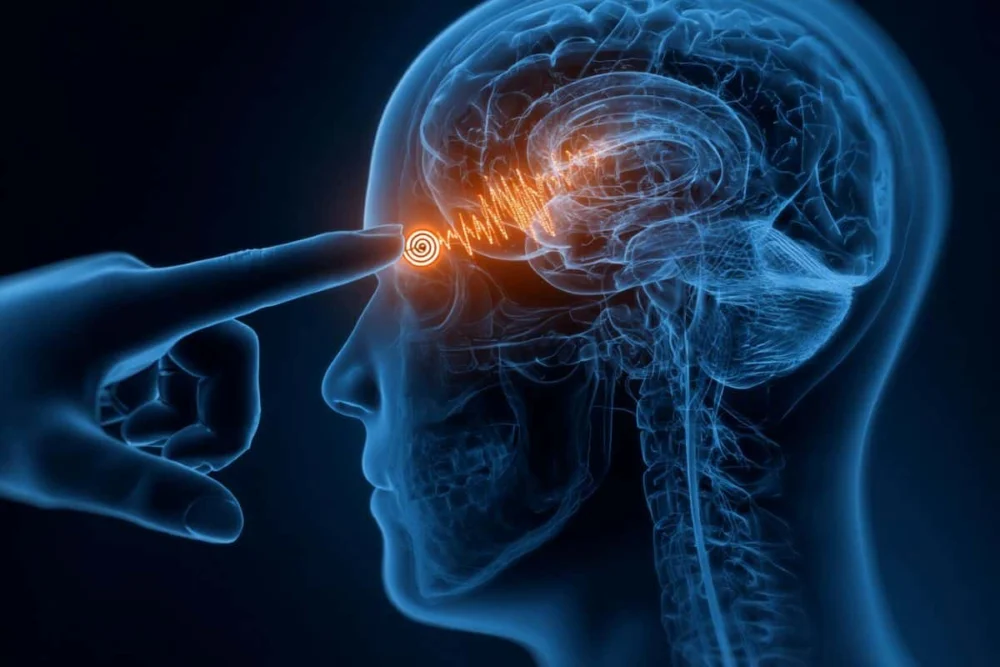
For millions living with chronic back pain, the world often feels louder, harsher, and more intrusive than it does for others. A groundbreaking study from the University of Colorado Anschutz has now provided robust scientific validation for this long-reported phenomenon, revealing that chronic pain triggers a profound "sensory amplification" in the brain that extends far beyond the localized back pain itself. Published recently in Annals of Neurology, the research utilizes advanced functional magnetic resonance imaging (fMRI) to demonstrate that the brains of chronic back pain patients react significantly more intensely to common everyday sounds compared to healthy individuals, with their neural responses exceeding those of 84% of pain-free controls. Crucially, the study also identifies an effective intervention: Pain Reprocessing Therapy (PRT), a psychological treatment that successfully "resets" the brain’s over-reactive sensory processing.
The Science Behind the Heightened Sensitivity
The investigation delves into the intricate mechanisms by which chronic pain reshapes the brain’s sensory landscape. Chronic back pain, affecting a significant portion of the global population, has long been understood primarily as a localized physical ailment. However, a growing body of research, including this pivotal study, highlights its systemic impact on the central nervous system. The sensation of pain, when persistent, can put the brain into a state of heightened alert, akin to a constant "threat detection" mode. In this state, the brain’s internal "volume knob" for incoming sensory signals, particularly auditory ones, appears to be turned up.
Dr. Yoni Ashar, PhD, assistant professor of internal medicine and co-director of the Pain Science Program at the University of Colorado Anschutz School of Medicine, and senior author of the paper, articulated the profound implications of these findings. "Our findings validate what many patients have been saying for years – that everyday sounds genuinely feel harsher and more intense," Dr. Ashar stated. "Their brains are responding differently, in regions that process both the loudness of sound and its emotional impact. This tells us chronic back pain isn’t just about the back. There’s a broader sensory amplification happening in the brain, and that opens the door for treatments that can help turn that volume down."
The fMRI scans, a non-invasive neuroimaging technique that measures brain activity by detecting changes associated with blood flow, provided critical insights. Researchers observed distinct neural patterns in chronic back pain patients when exposed to various sounds. Specifically, the scans showed stronger responses in the auditory cortex, the primary brain region responsible for processing sound, and in the insula, a key area involved in emotional processing and interoception (the sense of the internal state of the body). Concurrently, there was reduced activity in the medial prefrontal cortex, a region typically associated with regulating emotional responses and calming the brain. This imbalance – increased activity in sensory and emotional processing centers coupled with decreased regulatory function – paints a clear picture of a brain system overwhelmed and unable to modulate its response to ordinary stimuli.
This phenomenon is not merely a subjective experience of irritability. The study unequivocally demonstrates a measurable, biological alteration in the brain’s wiring. It suggests that the auditory cortex and emotional centers are physically firing with greater intensity in response to sound waves, distinguishing it from a mood-related sensitivity. This distinction is crucial for validating patients’ experiences and guiding appropriate treatment strategies.
Methodology and Key Findings of the Study
To rigorously investigate this sensory amplification, the research team conducted a comprehensive study involving 142 adults diagnosed with chronic back pain and a control group of 51 pain-free individuals. All participants underwent fMRI brain imaging sessions during which they were presented with a series of auditory stimuli, ranging from low- to high-intensity sounds. Participants were asked to rate the unpleasantness of these sounds, providing a subjective measure of their sensory experience. Additionally, their neural responses were recorded and analyzed.
The differences between the chronic pain patient group and the healthy control group were stark and statistically significant. On average, chronic back pain patients reported significantly higher levels of unpleasantness in response to auditory stimuli. This subjective experience was directly correlated with the objective fMRI data, which showed heightened neural activity in the aforementioned brain regions. The researchers found that the brain responses of chronic pain patients were more intense than those of 84% of individuals without pain, highlighting the pervasive nature of this sensory alteration within the chronic pain population. The changes were observed not in the initial, raw processing areas of the auditory system, but higher up in the brain’s interpretive and emotional centers, underscoring the brain’s role in constructing the perceived unpleasantness.
Beyond auditory stimuli, the study also examined responses to mechanical pressure, finding that chronic back pain patients exhibited heightened unpleasantness to this form of stimulation as well. This suggests a broader, multi-sensory hypersensitivity, pointing towards a generalized state of central sensitization where the nervous system becomes persistently wound up, perceiving even benign stimuli as threatening or overly intense.
Pain Reprocessing Therapy (PRT): A Therapeutic Breakthrough
Perhaps the most significant aspect of this research is its demonstration of an effective treatment for this sensory amplification. Following the initial assessments, participants with chronic back pain were randomized into one of three groups: a Pain Reprocessing Therapy (PRT) group, a placebo group, or a usual care group.
Pain Reprocessing Therapy is a novel, evidence-based psychological treatment that aims to retrain the brain to interpret pain signals as non-threatening. It operates on the understanding that chronic pain, particularly when no structural damage persists, can often be maintained by learned neural pathways that misinterpret benign sensations as dangerous. PRT helps individuals understand the brain’s role in pain, practice techniques to reduce fear and anxiety associated with pain, and gradually re-categorize physical sensations.
The results were compelling. The PRT group not only reported a reduction in their subjective experience of sound unpleasantness but also showed corresponding changes in their brain activity. fMRI scans post-treatment revealed a significant decrease in the heightened brain response to sound in the auditory cortex and insula. Furthermore, PRT led to increased activity in the medial prefrontal cortex, the very region responsible for regulating unpleasant experiences, indicating that the therapy helped restore the brain’s natural ability to calm and modulate sensory input.
"This shows that the brain’s exaggerated sensory response can improve with psychological treatment so instead of being something patients are stuck with, this sensitivity is treatable," Dr. Ashar emphasized. This finding is particularly empowering, offering a non-pharmacological pathway to alleviate a distressing symptom of chronic pain. Dr. Ashar’s earlier research further bolstered the efficacy of PRT, demonstrating that two-thirds of participants with chronic back pain became pain-free or nearly so after treatment, significantly outperforming a placebo group.
Broader Implications for Chronic Pain Understanding and Treatment
This study significantly advances the understanding of chronic back pain, shifting the focus from solely a structural or peripheral issue to one deeply rooted in central nervous system processing. It provides crucial validation for countless patients whose experiences of sensory hypersensitivity may have previously been dismissed or attributed solely to psychological distress. By demonstrating a measurable biological basis for this phenomenon, the research paves the way for greater empathy and more targeted interventions.
The findings have broader implications for the field of pain management. The revelation that chronic back pain is associated with brain mechanisms that overlap with other chronic pain conditions, such as fibromyalgia (known for its widespread sensory sensitivities), suggests common underlying neurological pathways. This could lead to more integrated treatment approaches for various chronic pain syndromes.
Chronic pain is a global health crisis. According to the Centers for Disease Control and Prevention (CDC), an estimated 20.4% of U.S. adults experienced chronic pain in 2016, with 8.0% experiencing high-impact chronic pain. The economic burden is immense, with estimates ranging from $560 billion to $635 billion annually in healthcare costs, lost productivity, and disability programs. Traditional treatments, often relying on pharmacotherapy, physical therapy, and surgery, have varying degrees of success and are frequently associated with significant side effects or limited long-term efficacy. The emergence of therapies like PRT, which target the brain’s role in pain perception, offers a promising adjunct or alternative to these conventional methods.
Chronology of Understanding: From Anecdote to Evidence
The journey to this understanding has been a long one, rooted in patient observations. For years, individuals with chronic pain have reported a generalized increase in sensitivity, not just to pain signals from the affected area, but to a wide range of stimuli. Anecdotal evidence of heightened sensitivity to loud noises, bright lights, strong smells, or even certain textures has been common in chronic pain communities. However, without objective measures, these reports were often difficult for the medical community to fully integrate into diagnostic and treatment paradigms.
This study represents a critical point in the chronology of pain research. It moves from these subjective reports to objective, neurobiological evidence. The use of fMRI technology allowed researchers to peer into the living brain and observe the neural correlates of these subjective experiences, providing undeniable proof of the brain’s active role in amplifying sensory input. The subsequent validation of PRT as an effective intervention further solidifies this understanding, demonstrating that these neural changes are not immutable but can be rewired through targeted therapeutic approaches. This progression from patient narrative to scientific validation and then to effective treatment marks a significant step forward in personalized pain care.
Future Research and Unanswered Questions
While this study offers profound insights, it also raises several important questions that warrant further investigation. One key area for future research is to determine whether this heightened sensory sensitivity is a cause of chronic back pain, a consequence of the condition, or perhaps a pre-existing vulnerability that makes certain individuals more susceptible to developing chronic pain after an injury. Early evidence from other research groups suggests that individuals who are naturally more sensitive to sensory input may indeed be at a higher risk of developing chronic pain post-injury.
Another crucial question is the extent of this sensory amplification. Does it extend to other senses beyond sound and mechanical pressure, such as light, smell, or taste? The researchers plan to address this in their next study, testing sensitivity across additional senses to determine how widespread this amplification truly is. This will help ascertain whether there is one central brain region or mechanism responsible for this broad sensory amplification across different modalities. Understanding the full scope of sensory hypersensitivity in chronic pain could lead to a more holistic approach to diagnosis and treatment.
Furthermore, exploring whether this phenomenon occurs in other chronic pain conditions, beyond back pain and fibromyalgia, will be vital for developing generalized therapeutic strategies. The potential for PRT or similar brain-retraining therapies to address sensory amplification across a spectrum of chronic pain disorders represents a promising avenue for future clinical application.
In conclusion, the University of Colorado Anschutz study marks a significant milestone in chronic pain research. By scientifically validating the phenomenon of sensory amplification in chronic back pain patients and demonstrating the efficacy of Pain Reprocessing Therapy, it offers renewed hope for millions. It underscores the profound and complex relationship between the brain and persistent pain, advocating for a holistic approach that addresses not just the body’s physical sensations but also the brain’s interpretation and processing of the world around us. This research not only empowers patients with a deeper understanding of their condition but also equips healthcare providers with a powerful, non-invasive tool to help turn down the volume on a world that has become too loud.