
 admin
admin
The year 2025 proved to be a significant period for health and nutrition awareness, as evidenced by the most popular video content released by NutritionFacts.org, a non-profit organization dedicated to providing evidence-based health information. The organization announced its annual compilation of the top 10 most-watched videos, revealing a strong public appetite for actionable advice on topics ranging from specific nutrient needs and emerging drug treatments to foundational principles of healthy aging and disease mitigation. These videos, the result of extensive research and synthesis of peer-reviewed medical literature, aim to translate complex scientific findings into accessible knowledge for the general public.
Each year, NutritionFacts.org produces over a hundred new videos, a process that involves sifting through tens of thousands of scientific papers. This meticulous approach ensures that the information disseminated is not only current but also grounded in rigorous scientific evidence, a critical differentiator in an era often saturated with health fads and misinformation. The organization’s commitment to this deep-dive research allows busy individuals to access reliable health guidance without needing to navigate the often-overwhelming volume of medical literature themselves.
Key Themes Emerge from 2025’s Top Content

The released list of top videos from 2025 showcases a diverse array of health concerns that resonated most with viewers. Prominent among these were extensive explorations of Ozempic, a medication that has garnered significant attention for its role in diabetes management and weight loss. Updates on vitamin B12, a crucial nutrient for nerve function and DNA synthesis, also featured prominently, underscoring a continued public interest in understanding essential micronutrient requirements. Furthermore, a substantial portion of the year’s content, including several of the most popular videos, was dedicated to the science of aging and anti-aging strategies, drawing directly from the research that informed the organization’s book, "How Not to Age." This thematic focus indicates a growing public desire to understand and influence the aging process through evidence-based lifestyle choices.
The compilation of the top 10 videos provides a snapshot of public health priorities and curiosities in 2025. The organization’s approach, characterized by its rigorous scientific foundation and commitment to accessibility, positions it as a vital resource for individuals seeking to make informed decisions about their health.
The Top 10 Videos of 2025
#10: How Much Vitamin B12 Do We Need Each Day?
This video delves into the methodology behind establishing recommended daily and weekly dosages for Vitamin B12. The discussion likely examines the scientific rationale for these figures, potentially referencing metabolic studies, deficiency prevalence data, and the bioavailability of different forms of B12. Understanding these recommendations is crucial for various demographics, including vegetarians and vegans, older adults, and individuals with certain medical conditions who may be at higher risk for deficiency. Vitamin B12 is essential for red blood cell formation, neurological function, and DNA synthesis. Its deficiency can lead to serious health issues, including megaloblastic anemia and irreversible neurological damage. The video’s popularity suggests a significant public interest in optimizing intake of this vital nutrient.
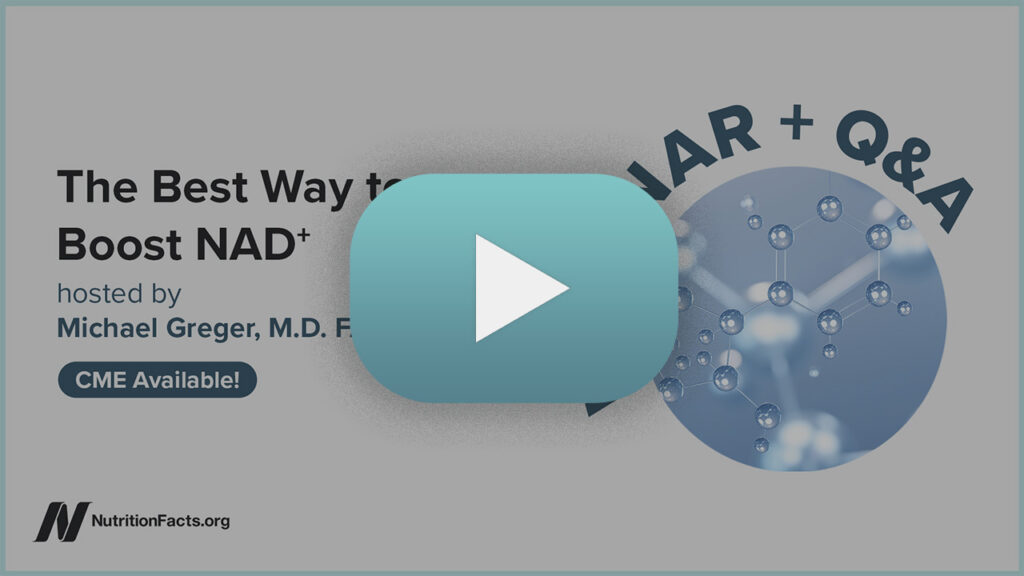
#9: The Best Way to Boost NAD+: Supplements vs. Diet (webinar recording)
This webinar recording addresses the burgeoning interest in Nicotinamide Adenine Dinucleotide (NAD+), a coenzyme vital for cellular metabolism, DNA repair, and energy production, which declines with age. The presentation likely provides a comparative analysis of NAD+ supplements, examining their efficacy, safety profiles, and potential side effects based on available research. Crucially, it contrasts these with dietary and lifestyle approaches for naturally increasing NAD+ levels. This focus on natural methods aligns with a broader trend towards holistic health and preventive strategies. The availability of this content on-demand through the NutritionFacts.org LearnWorlds platform, offering Continuing Medical Education (CME) credits, further indicates its relevance to healthcare professionals seeking to stay abreast of the latest research. The discussion of NAD+ is particularly pertinent given its potential role in age-related diseases and cellular function.
#8: How to Improve Your Heart Rate Variability
The human heart, rather than beating with the monotonous rhythm of a metronome, exhibits a healthy variability in its beat-to-beat intervals. This metric, known as Heart Rate Variability (HRV), is a significant indicator of autonomic nervous system function and overall cardiovascular health. A higher HRV generally suggests a more resilient and adaptable nervous system, better equipped to handle stress and maintain homeostasis. This video likely explores the physiological underpinnings of HRV and offers practical, evidence-based strategies for its improvement. These strategies often encompass lifestyle modifications such as regular physical activity, adequate sleep, stress management techniques like mindfulness and meditation, and a balanced diet. The video’s placement in the top 10 highlights a growing public awareness of HRV as a key biomarker for health and well-being, extending beyond traditional measures like blood pressure and cholesterol.
#7: The Best Foods for Your Skin
This video examines the direct impact of diet on skin health, a topic of perennial interest. The content likely investigates the scientific evidence behind the efficacy of various foods in promoting healthy, radiant skin. Specific examples cited, such as greens, apples, tomato paste, and grapes, suggest a focus on antioxidant-rich and nutrient-dense options. These foods are known to contain vitamins, minerals, and phytochemicals that can combat oxidative stress, reduce inflammation, and support collagen production – all critical processes for maintaining skin integrity and appearance. The video’s popularity underscores the understanding that nutritional choices play a fundamental role in external health and can serve as a powerful, natural form of "edible skincare."
#6: Friday Favorites: Foods That Cause Inflammation and Those That Reduce It
This compilation video, combining insights from two earlier pieces, addresses the critical role of diet in managing inflammation, a root cause or exacerbating factor in numerous chronic diseases. Inflammation, while a necessary biological response to injury or infection, becomes detrimental when it is chronic and systemic. The video likely identifies specific food groups and individual ingredients that can trigger pro-inflammatory responses within hours of consumption, potentially leading to a cascade of negative health effects. Conversely, it then explores the characteristics of an anti-inflammatory diet, highlighting foods rich in antioxidants, omega-3 fatty acids, and fiber that can help to quell inflammation and promote healing. The continued popularity of this topic indicates a widespread recognition of the link between diet and inflammatory conditions, such as arthritis, cardiovascular disease, and metabolic disorders.
#5: The Healthiest Way to Drink Coffee
Coffee consumption is a global habit, but its health implications can vary significantly based on preparation methods. This video focuses on the intriguing question of why filtered coffee drinkers tend to exhibit greater longevity than those who consume unfiltered coffee. The distinction likely lies in the presence of cafestol and kahweol, diterpenes found in coffee oils that can elevate LDL cholesterol levels. Filtering methods, such as paper filters, effectively remove these compounds. The video probably delves into the scientific literature to explain the physiological mechanisms at play and offers practical advice on how to enjoy coffee in a way that maximizes its potential health benefits while minimizing risks. The popularity of this video suggests that consumers are keen to understand the nuances of everyday dietary choices and their long-term health consequences.
#4: Is One Egg a Day Too Much?
This video tackles a common dietary question with a definitive, data-driven answer. The "spoiler alert" revealing that meta-analyses involving over 10 million participants indicate a higher risk of premature death from all causes with increased egg consumption is striking. This finding challenges traditional dietary advice and highlights the importance of relying on large-scale, robust scientific evidence. Eggs, particularly their yolks, are a significant source of dietary cholesterol and saturated fat. While the body produces cholesterol, dietary intake can contribute to elevated blood cholesterol levels in susceptible individuals, increasing the risk of cardiovascular disease. The video’s broad appeal likely stems from its direct confrontation of a widely consumed food item and its presentation of a stark, evidence-based conclusion regarding potential health risks.
#3: Do Not Eat Pawpaws
This video issues a cautionary note regarding the consumption of pawpaw fruits and similar Annonaceae family members, which include soursop, guanabana, and cherimoya. The concern centers on the presence of neurotoxins, specifically acetogenins, found in these fruits. Research suggests that chronic exposure to these compounds may be linked to the development of a specific type of Parkinsonism, a neurodegenerative disorder characterized by movement impairments. This information is particularly relevant for individuals in regions where these fruits are commonly consumed. The video’s inclusion of a warning against consumption underscores NutritionFacts.org’s commitment to disseminating information about potential health hazards, even when they pertain to commonly enjoyed foods.
#2: The Highest Antioxidant: Apple, Bean, Berry, Lentil, or Nut?
This video marks a revival of a popular format, revisiting the comparative analysis of antioxidant content across various staple food categories. Antioxidants are crucial compounds that protect cells from damage caused by free radicals, thereby playing a role in preventing chronic diseases and slowing the aging process. The video likely explores the antioxidant capacity of different varieties within apples, beans, berries, lentils, and nuts, offering guidance on selecting options that provide the greatest protective benefits. While acknowledging that the "best" choice often depends on individual preference and consumption habits, the video provides objective data for those seeking to maximize their antioxidant intake through these nutrient-dense foods. This resurgence of interest in identifying high-antioxidant foods reflects a continued public focus on preventive health measures through diet.
#1: How to Slow Cancer Growth
The top-ranking video of 2025, "How to Slow Cancer Growth," underscores the profound public concern surrounding cancer and the desire for actionable strategies to mitigate its development and progression. The video’s popularity is presented as a direct validation of the organization’s strategic focus on cancer prevention and management, building upon the momentum from the book "How Not to Age." The content likely elucidates how lifestyle choices, particularly dietary patterns, can influence the cellular environment and potentially inhibit the growth of tumors. The statement that "many of us have tumors growing inside our bodies" at any given moment emphasizes the urgency and preventative nature of this information. This video’s prominence signals a strong public receptivity to evidence-based approaches that empower individuals to take proactive steps in their health journey, particularly in the face of such a prevalent and serious disease. The upcoming book, "How Not to Hurt," focusing on lifestyle approaches to pain management, is also noted, indicating a continued expansion of the organization’s research into critical health issues.
Community Growth and Impact
The significant viewership of these top videos translates into tangible community growth for NutritionFacts.org. In 2025 alone, the organization reported an impressive gain of over 170,000 new subscribers on its YouTube channel. This substantial increase in subscriber numbers signifies a widening reach for the organization’s evidence-based health information. The continuous growth in its audience indicates that the critical mission of providing accessible, life-saving, and life-changing health knowledge is resonating with an ever-larger segment of the global population, empowering individuals to make more informed decisions about their well-being. The organization’s dedication to rigorous scientific research and clear communication continues to position it as a trusted authority in the field of public health education.






