admin
admin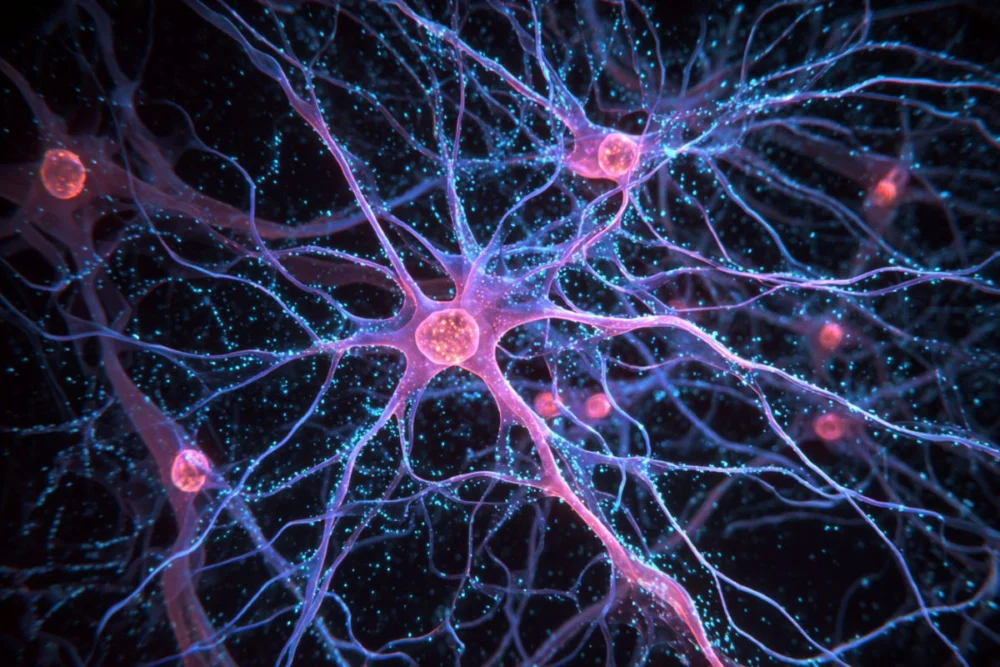
A groundbreaking study has identified the crucial role of astrocytes, the star-shaped "support" cells in the brain, in the sophisticated maturation of motor coordination that extends well into adulthood. This research overturns previous assumptions that the brain’s motor circuits, particularly those in the cerebellum, are fully developed by early adolescence, revealing a previously unrecognized "cellular handoff" that explains the continued refinement of complex, flexible, and precise movements observed in adults. This fundamental shift in understanding places astrocytes at the forefront of developmental neuroscience, moving them beyond their traditional role as passive partners to neurons and highlighting their active participation in shaping advanced physical capabilities.
Unveiling the "Missing Link": Astrocytes Redefine Motor Maturation
For decades, neuroscientists grappled with a perplexing discrepancy: why does human motor coordination continue to improve significantly through the teenage years and into early adulthood, often peaking in one’s twenties, despite the widely held belief that the neural circuits governing movement are structurally mature much earlier, typically by early adolescence? This long-standing question has now found an answer in the unexpected activities of astrocytes, a type of glial cell that constitutes roughly half of the brain’s volume.
The study, spearheaded by a collaborative team led by Director C. Justin Lee and Senior Research Fellow HONG Sungho of the Center for Memory and Glioscience within the Institute for Basic Science (IBS), in conjunction with Professor Erik De Schutter from the Computational Neuroscience Unit at the Okinawa Institute of Science and Technology (OIST), Japan, has pinpointed a critical transition. They discovered that during late adolescence, astrocytes assume primary responsibility for regulating inhibitory signaling, specifically tonic inhibition mediated by the neurotransmitter GABA, within the cerebellum. This pivotal shift allows different muscle groups to operate with greater independence, ultimately enabling the nuanced and agile movements characteristic of adult athleticism, fine craftsmanship, and overall physical dexterity.
The findings challenge a neuron-centric view of brain development, asserting that the interaction between neurons and astrocytes is indispensable for the full realization of complex motor functions. This "cellular handoff" ensures a stable, continuous regulatory background that fine-tunes neuronal excitability, making the brain’s motor command system more efficient and adaptable.
The Cerebellum: A Hub of Motor Control and the Developmental Puzzle
The cerebellum, often referred to as the "little brain," is a vital component of the central nervous system, located at the back of the brain, beneath the occipital and temporal lobes. Its primary functions include coordinating voluntary movements, maintaining balance and posture, and playing a crucial role in motor learning. Damage to the cerebellum can result in ataxia, a neurological sign consisting of a lack of voluntary coordination of muscle movements that can include gait abnormality, speech changes, and abnormalities in eye movements.
From a developmental perspective, the cerebellum undergoes rapid growth and maturation during early childhood and adolescence. Its intricate circuitry, composed of various neuron types like Purkinje cells, granule cells, and interneurons, establishes the fundamental framework for motor control relatively early in life. Textbooks and prior research generally indicated that the structural development of these cerebellar circuits largely concludes by the onset of adolescence. However, empirical observation consistently showed that skills requiring precise motor coordination – from playing a musical instrument to mastering complex sports – continue to develop and improve significantly beyond this period. This disparity between the presumed structural maturity of neural circuits and the continued functional enhancement of motor skills presented a significant unresolved question in developmental neuroscience. The new research directly addresses this enigma by identifying a later-stage, non-neuronal mechanism driving this prolonged refinement.
Decoding Tonic Inhibition: A Crucial Regulatory Mechanism
Central to the study’s findings is the concept of tonic inhibition. Inhibition, in neuroscience, refers to the process where a neuron’s activity is suppressed, preventing it from firing an electrical impulse. This is crucial for regulating brain activity, preventing runaway excitation, and enabling precise information processing. The primary inhibitory neurotransmitter in the brain is Gamma-aminobutyric acid (GABA).
GABA mediates two main forms of inhibition:
- Phasic (Synaptic) Inhibition: This is a rapid, transient form of inhibition occurring at specific synaptic junctions between neurons. When a neuron fires, it releases GABA into the synaptic cleft, which quickly binds to receptors on the postsynaptic neuron, inhibiting its activity. This is akin to a quick "on-off" switch, providing precise, localized control.
- Tonic (Extrasynaptic) Inhibition: Unlike phasic inhibition, tonic inhibition is a persistent, "always-on" form of inhibitory signaling. It is mediated by GABA acting on extrasynaptic GABA receptors, which are located outside the traditional synaptic cleft. This GABA diffuses through the extracellular space, creating a continuous, low-level inhibitory tone that modulates the overall excitability of neurons. Think of it as a background hum that keeps the system stable, preventing excessive noise and allowing for more reliable information processing. Tonic inhibition is particularly important for setting the baseline excitability of neuronal populations, influencing their firing rates, and enhancing the signal-to-noise ratio within neural networks.
The study specifically focused on granule cells within the cerebellum, which are among the most numerous neuron populations in the brain. These cells are known to be significantly regulated by tonic inhibition, making them ideal candidates for investigating developmental changes in this critical regulatory mechanism. The research team’s initial electrophysiological recordings measured tonic inhibitory currents in granule cells from two distinct age groups of mice: young mice (3-4 weeks old, roughly equivalent to early adolescence in humans) and adult mice (8-12 weeks old, corresponding to late adolescence/early adulthood). While the overall strength of tonic inhibition appeared stable between these age groups, a deeper investigation revealed a profound qualitative shift in its origin.
The Cellular Handoff: A Developmental Timeline
The groundbreaking aspect of this research lies in its elucidation of a precise timeline for the transition of tonic inhibition control, revealing a dynamic interplay between neurons and astrocytes throughout development.
-
Early Development: Neuronal Dominance (Younger Animals)
In younger animals (3-4 weeks old), the research team observed that tonic inhibition in cerebellar granule cells was predominantly generated by GABA released from inhibitory neurons. This neuronal GABA, after being released at synapses, would "spill over" into the surrounding extracellular space, where it could then activate extrasynaptic GABA receptors on granule cells, thereby creating the persistent inhibitory tone. This mechanism is inherently activity-dependent, meaning the level of tonic inhibition would fluctuate somewhat with the overall activity of the inhibitory neurons. This neuronal-driven tonic inhibition provides a foundational level of regulation as the motor circuits are first being established. -
The Adolescent Transition: A Shift in GABA Sources (Late Adolescence)
As the mice matured into adulthood (8-12 weeks old), a remarkable shift occurred. The dominant source of tonic inhibition transitioned from neuron-derived spillover GABA to astrocyte-derived GABA. Astrocytes began to actively release GABA into the extracellular space through specific channels, notably Bestrophin-1 (Best1) channels. This astrocyte-mediated GABA release is largely activity-independent, meaning it provides a more constant and stable background inhibitory signal regardless of immediate neuronal firing patterns. This "cellular handoff" from neurons to astrocytes marks a critical developmental milestone.Further experiments illuminated the underlying molecular mechanisms driving this transition. In adult mice, the activity of GABA transporters (GATs) significantly increased. GATs are proteins responsible for reuptaking GABA from the extracellular space back into neurons and glial cells, thereby controlling the duration and concentration of GABA available to receptors. This enhanced clearance by GATs effectively reduces the impact of neuron-derived spillover GABA, making it less effective in generating tonic inhibition. Consequently, the continuous, independent supply of GABA from astrocytes, via Best1 channels, becomes the predominant force in maintaining tonic inhibition in the mature brain. This coordinated change ensures a smooth transition, maintaining the overall strength of tonic inhibition while fundamentally altering its source and characteristics.
-
Adult Brain: Astrocyte-Driven Precision (Adulthood)
In the adult brain, with astrocytes firmly in control of tonic inhibition, the system achieves a new level of stability and precision. The constant, independent inhibitory signal provided by astrocytes acts like a sophisticated noise-canceling mechanism. It effectively dampens unwanted background activity and reduces the "crosstalk" between different groups of neurons. This allows distinct neuronal populations, representing various muscle groups or movement strategies, to operate more independently without interfering with each other’s signals. The result is a more flexible, adaptive, and precise motor coordination, enabling the rapid switching between different movement patterns and the execution of highly complex, finely tuned actions. This explains why an adult can effortlessly transition from walking to running, or deftly manipulate tools with precise control, skills that are often still developing in adolescents.
Methodology: Unraveling the Mechanism
The research team employed a sophisticated multi-pronged approach to uncover these intricate cellular mechanisms and their behavioral consequences.
-
Electrophysiological Insights: The foundation of their work involved meticulous electrophysiological recordings. Using patch-clamp techniques, they directly measured tonic inhibitory currents in cerebellar granule cells from both young and adult mice. This allowed them to quantify the strength of inhibition and, crucially, to dissect the contributions of neuronal versus astrocytic GABA by using pharmacological agents that selectively block GABA receptors or transporters, or by genetically manipulating the Best1 channels in astrocytes. These experiments provided direct evidence of the changing sources of GABA.
-
Computational Modeling: Predicting Network Dynamics: To understand how this cellular transition impacts the broader neural network and information processing, the researchers constructed a large-scale computational model of the cerebellar neural network. This sophisticated model comprised approximately one million neurons and incorporated the physiological data gathered from their electrophysiological experiments. Professor Erik De Schutter elaborated on this, stating, "Our simulations indicated that when tonic inhibition becomes increasingly astrocyte-driven, interactions between granule cell populations responding to different inputs become weaker. As a result, individual granule cell groups are able to process incoming signals more independently." This modeling phase was critical for translating observations at the cellular level to predictions about circuit-level function. The model provided a theoretical framework for how reduced "crosstalk" leads to enhanced flexibility in motor coordination.
-
Behavioral Validation: Observing Real-World Impact: The ultimate test of their hypothesis involved observing actual motor behavior. The researchers utilized a deep learning-based behavioral analysis system, capable of reconstructing mouse posture in three dimensions during spontaneous movement. This advanced system allowed for a highly detailed and objective assessment of motor coordination patterns. They compared the limb coordination patterns of adult mice with those of younger animals. As predicted by the computational model, adult mice exhibited a significantly wider variety of limb coordination patterns, indicative of greater flexibility. Critically, this increased diversity of movement was markedly absent in adult mice genetically engineered to lack the Best1 gene, which specifically disrupts astrocyte-mediated tonic inhibition. Detailed analysis of these Best1-knockout mice revealed that they displayed more tightly coupled limb movements, similar to younger animals, indicating a reduced independence between different body parts during locomotion. These compelling behavioral findings provided robust experimental validation, confirming that astrocyte-driven tonic inhibition is indeed a critical factor in the late-stage maturation of flexible motor coordination.
Expert Perspectives and Scientific Reactions
The researchers involved expressed profound insights into the significance of their findings. Senior Research Fellow HONG Sungho, who initiated his work on this topic at OIST, emphasized the functional implications: "This shift in network dynamics could provide a neural mechanism for more flexible motor coordination. As different groups of neurons representing movements of separate body parts interfere less with each other, the brain can more easily combine multiple movement strategies—such as switching between hopping, walking, or turning—to accomplish the same behavioral goal." His statement underscores how this cellular mechanism translates into observable, adaptive behavior.
Director C. Justin Lee articulated the broader paradigm shift brought about by this study: "This study expands the conventional neuron-centric understanding of brain development to encompass the perspective of neuron-astrocyte interactions." He further added, "A deeper understanding of astrocyte function could inform not only research into developmental and degenerative motor disorders, but also the design of movement control systems for robotics and physical AI inspired by brain principles." Director Lee’s comments highlight the dual impact of this research, opening new avenues in both biological and artificial intelligence fields. The scientific community is likely to view this as a significant step forward in understanding glial cell function, prompting a re-evaluation of how non-neuronal cells contribute to complex brain functions.
Broader Implications: From Human Health to Artificial Intelligence
The implications of this research are far-reaching, spanning various disciplines from medicine and rehabilitation to sports science and cutting-edge artificial intelligence.
-
Understanding Neurodevelopmental and Neurodegenerative Disorders:
The discovery of astrocytes’ critical role in motor maturation opens new avenues for understanding and potentially treating a range of neurological conditions. Many neurodevelopmental disorders, such as certain forms of autism spectrum disorder, ADHD, and developmental coordination disorder, often present with motor coordination deficits. If astrocyte function, particularly their role in tonic inhibition, is disrupted during critical developmental windows, it could contribute to these impairments. Similarly, neurodegenerative diseases like Parkinson’s disease, Huntington’s disease, and various ataxias are characterized by progressive motor decline. Investigating whether astrocyte dysfunction or a breakdown in the astrocyte-driven tonic inhibition mechanism contributes to these motor symptoms could lead to novel therapeutic targets. For instance, enhancing astrocyte-mediated GABA release or modulating GAT activity might offer strategies to restore or preserve motor function. -
Enhancing Human Performance and Rehabilitation:
For athletes and individuals undergoing physical rehabilitation, understanding the neurobiological underpinnings of motor skill refinement is invaluable. This research provides a cellular explanation for why dedicated practice and training continue to yield improvements in coordination well beyond the initial learning phases. It suggests that training might not only strengthen neuronal connections but also potentially optimize astrocyte function, leading to more robust and flexible motor control. In rehabilitation settings, interventions could be designed to specifically target and enhance astrocyte activity, thereby accelerating recovery of motor skills after injury or stroke. Tailored training regimens could potentially capitalize on the brain’s capacity for astrocyte-mediated refinement. -
Inspiring Next-Generation AI and Robotics:
Perhaps one of the most intriguing implications lies in the field of artificial intelligence and robotics. Current AI models, particularly neural networks, are heavily inspired by the structure and function of neurons. However, they often lack the robustness, flexibility, and adaptive grace observed in biological systems. Director Lee’s suggestion to incorporate an "astrocyte layer" in AI design is particularly insightful. This would entail developing computational architectures that provide a continuous, stable, and context-aware background regulatory mechanism, much like astrocyte-driven tonic inhibition in the brain. Such a system could enable robots to perform complex tasks with greater fluidity, adapt to unpredictable environments, and switch between different operational modes more seamlessly, mimicking the agile and precise movements of human athletes or skilled craftspeople. This represents a paradigm shift from purely neuron-mimicking AI to biologically inspired neuromorphic computing that also accounts for glial cell contributions.
Future Directions in Glial Research
This study marks a significant milestone, but it also opens up numerous avenues for future research. Scientists will likely delve deeper into the molecular signaling pathways that regulate Best1 channel activity and GABA release from astrocytes. Understanding how environmental factors, such as learning, exercise, and diet, might influence this astrocyte transition and subsequent motor development could provide crucial insights. Furthermore, investigating whether similar astrocyte-mediated "handoffs" occur in other brain regions or for other neurological functions could revolutionize our understanding of brain development and plasticity across the lifespan. The interplay between astrocytes and other glial cells, such as microglia, in shaping motor coordination also warrants further exploration.
Conclusion: A New Era in Understanding Brain Function
The discovery that astrocytes orchestrate a critical cellular handoff during late adolescence to refine motor coordination represents a profound advancement in neuroscience. It resolves a long-standing puzzle regarding the protracted development of motor skills and firmly establishes astrocytes as dynamic, active participants in complex brain functions, not merely passive support cells. By elucidating this neuron-astrocyte interaction, the research not only enhances our fundamental understanding of brain development but also lays the groundwork for innovative approaches to address motor disorders, optimize human performance, and inspire the next generation of intelligent machines. This study ushers in a new era where the comprehensive understanding of brain function must equally consider the intricate and vital contributions of both neurons and glia.
About the Research
Author: William Suh
Source: Institute for Basic Science
Contact: William Suh – Institute for Basic Science
Image: The image is credited to Neuroscience News
Original Research: Open access.
“Cerebellar tonic inhibition orchestrates the maturation of information processing and motor coordination” by Jea Kwon, Sunpil Kim, Junsung Woo, Keiko Tanaka-Yamamoto, Oliver James, Erik De Schutter, Sungho Hong & C. Justin Lee. Experimental & Molecular Medicine
DOI: 10.1038/s12276-026-01657-8
Abstract
Cerebellar tonic inhibition orchestrates the maturation of information processing and motor coordination
Tonic inhibition in cerebellar granule cells is crucial for maintaining information coding fidelity during motor coordination. It arises through both activity-dependent and activity-independent mechanisms, and the interplay between these mechanisms changes with age. However, specific molecular and cellular mechanisms and how their change affects network-level computation and motor behavior remain unclear. Here we show that, while net tonic inhibitory current remains unchanged, the main source of tonic γ-aminobutyric acid switches from synaptic spillover (neuronal activity dependent) to astrocytic Best1 (activity independent) throughout adolescence (4–8 weeks) in mice. Computational modeling based on experimental data demonstrated that this switch downregulates the internally generated network activity mediating mutual inhibition between granule cell clusters receiving different inputs, thereby enhancing their independence. Consistent with simulations, three-dimensional posture analysis revealed an age-dependent increase in independent limb movements during spontaneous motion, which was impaired in Best1-knockout mice. Our findings highlight the late-stage development of complex motor coordination driven by the emergence of astrocyte-mediated tonic inhibition.