admin
admin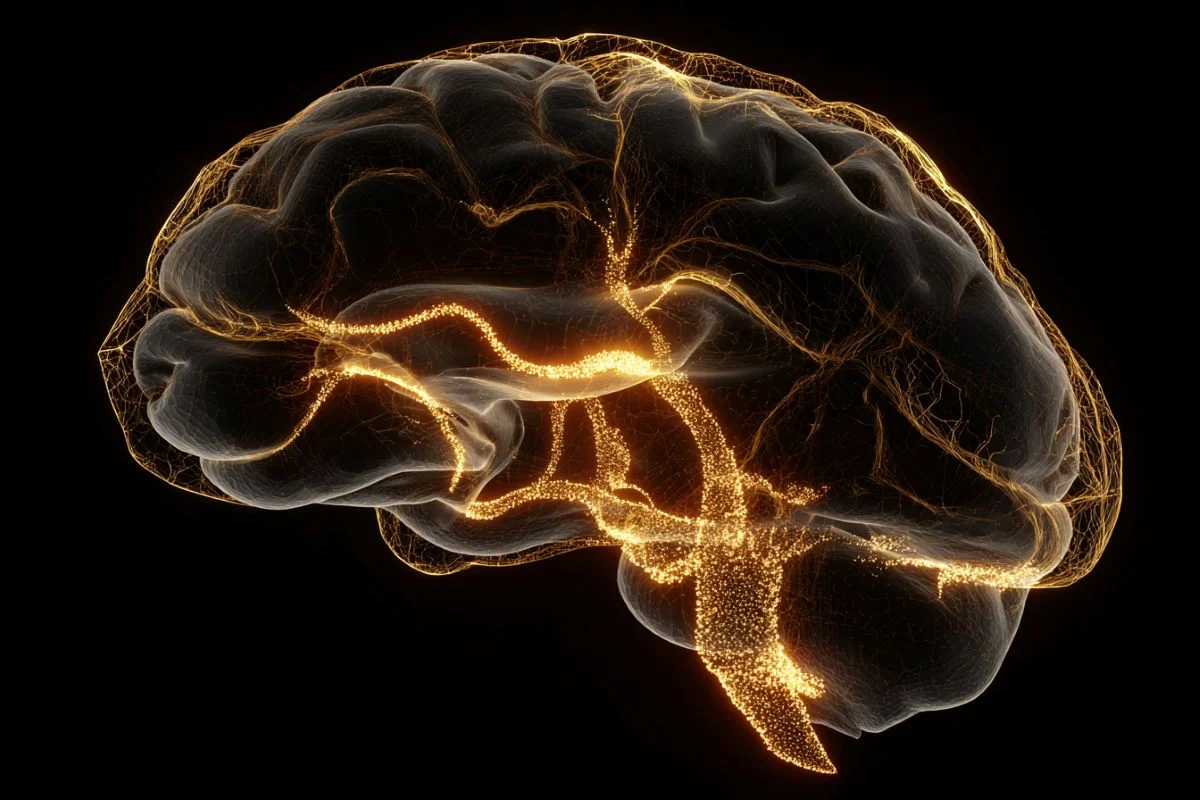
One of the most profoundly debilitating and often intractable aspects of schizophrenia is the severe impairment of "cognitive flexibility"—the essential mental capacity to adapt beliefs and decision-making processes in response to new, evolving information. This critical function, fundamental to navigating a dynamic world, is frequently disrupted in individuals living with schizophrenia, leading to significant challenges in daily functioning, impaired decision-making, and, in severe cases, a profound detachment from reality manifested through delusions and hallucinations. Recent groundbreaking research spearheaded by neuroscientists at MIT has now identified a specific genetic mutation, residing within the grin2a gene, that appears to be a direct culprit in this loss of adaptive cognitive function. Their extensive study, primarily conducted in mouse models, has meticulously mapped how this mutation sabotages a vital brain circuit responsible for what researchers term the brain’s "reality check" mechanism, thereby opening unprecedented pathways for targeted therapeutic interventions aimed at ameliorating these core cognitive deficits.
The Enigma of Schizophrenia: Beyond Psychosis
Schizophrenia is a complex and severe chronic mental disorder affecting approximately 1% of the global population. It is characterized by a range of symptoms typically categorized into three main groups: positive symptoms (such as hallucinations and delusions), negative symptoms (including social withdrawal, apathy, and reduced emotional expression), and cognitive symptoms. While positive symptoms often garner the most attention and are frequently the focus of current pharmacological treatments, it is increasingly recognized that cognitive impairments are often the most devastating and persistent, significantly impacting a patient’s ability to maintain employment, foster relationships, and live independently. These cognitive deficits include difficulties with attention, memory, executive functions (like planning and problem-solving), and, critically, cognitive flexibility. For decades, treatments have primarily focused on managing psychotic symptoms, with limited success in addressing the cognitive aspects, leaving a significant unmet medical need.
The concept of "cognitive flexibility" is central to understanding the new findings. In a neurotypical brain, this refers to the ability to shift between different tasks, thought processes, or responses based on changes in the environment or internal states. It allows individuals to update their understanding of the world, learn from mistakes, and make adaptive choices. Imagine navigating a familiar route that suddenly encounters a road closure; cognitive flexibility enables one to quickly assess the new information, discard the old plan, and formulate an alternative. For individuals with impaired cognitive flexibility, this adaptation becomes immensely challenging, leading to a rigid adherence to outdated beliefs or strategies, even in the face of contradictory evidence. This rigidity is a hallmark of the cognitive "stiffness" observed in schizophrenia patients and forms the basis for the development of fixed, unshakeable delusions.
A Genetic Lens: Tracing the Roots of Dysfunction
The understanding of schizophrenia has significantly advanced through genetic research. It has long been known that the disorder has a strong genetic component; the risk of developing schizophrenia escalates from about 1% in the general population to 10% for those with a parent or sibling affected, and a striking 50% for identical twins, highlighting the profound influence of inherited factors. However, identifying the specific genes and pathways involved has been a monumental challenge due to the disorder’s polygenic nature (involving many genes) and the complexity of gene-environment interactions.
Early genetic investigations relied heavily on Genome-Wide Association Studies (GWAS), which scan the entire genome for common genetic variations (SNPs) associated with a disease. While GWAS has identified over 100 gene variants linked to schizophrenia, many of these variants reside in non-coding regions of the genome, making it difficult to ascertain their precise functional impact on disease development. More recently, researchers at institutions like the Stanley Center for Psychiatric Research at the Broad Institute have adopted a more focused approach: whole-exome sequencing. This technique concentrates solely on the protein-coding regions of the genome (the "exome"), making it more effective at pinpointing rare, highly penetrant mutations within known genes that confer a substantial increase in disease risk. Through this sophisticated method, examining approximately 25,000 sequences from schizophrenia patients and 100,000 control subjects, scientists identified ten genes whose mutations significantly elevate the risk of developing schizophrenia. One such gene, grin2a, emerged as a key candidate for further investigation.
The grin2a Mutation: A Molecular Anchor for Reality
The new study, published in Nature Neuroscience, meticulously explores the impact of a specific mutation within the grin2a gene. This gene is critical because it encodes a protein that forms a subunit of the N-methyl-D-aspartate (NMDA) receptor. NMDA receptors are a type of glutamate receptor, crucial for synaptic plasticity—the ability of synapses (the connections between neurons) to strengthen or weaken over time. This plasticity is fundamental to learning and memory. Dysfunction in NMDA receptor activity has long been hypothesized to play a central role in schizophrenia pathophysiology, a theory supported by the observation that NMDA receptor antagonists can induce psychosis-like symptoms in healthy individuals. The specific mutation in grin2a investigated in this study, Grin2aY700X+/–, was identified from human schizophrenia patients, providing a direct translational link from genetic discovery to functional analysis.
To understand the functional consequences of this mutation, the research team, led by Guoping Feng, the James W. and Patricia T. Poitras Professor in Brain and Cognitive Sciences at MIT, and Michael Halassa, an associate professor of psychiatry and neuroscience at Tufts University, developed a sophisticated mouse model carrying this specific grin2a mutation. The goal was to observe if these genetically modified mice exhibited behaviors analogous to the cognitive deficits seen in human schizophrenia patients, particularly those related to processing new sensory input and updating beliefs.
Behavioral Insights: The Adaptive Decision-Making Task
Studying complex human symptoms like hallucinations and delusions in animal models presents inherent challenges. However, researchers can design tasks that probe more fundamental cognitive processes, such as adaptive decision-making, which are directly related to the "reality check" mechanism. Lead authors Tingting Zhou and Yi-Yun Ho designed an ingenious experiment: a foraging task where mice had to choose between two levers to earn a food reward. One lever offered a low reward (one drop of milk for six presses), while the other initially offered a high reward (three drops per press).
Initially, all mice, both healthy (wild-type) and those with the grin2a mutation, learned to prefer the high-reward lever. The critical phase of the experiment involved a gradual change in the environment: the effort required to obtain the high reward progressively increased, while the low-reward lever remained consistent. Healthy, neurotypical mice displayed adaptive behavior; as the high-reward lever became less efficient, they began to switch back and forth between the two options. Crucially, once the effort-to-reward ratio for the high-reward lever reached a point comparable to the low-reward lever (approximately 18 presses for three drops, making the effort per drop similar), healthy mice would permanently switch their preference to the low-reward option, demonstrating their ability to integrate new information and adapt their decision-making strategy.
In stark contrast, mice carrying the grin2a mutation exhibited a significantly different pattern. They spent a disproportionately longer time switching between the two levers, indicating a struggle to commit to an optimal strategy. More importantly, their permanent switch to the low-reward lever occurred much later than in their wild-type counterparts. This delay demonstrated a profound impairment in adaptive decision-making. As Zhou explained, "Neurotypical animals make adaptive decisions in this changing environment… for the animals with the mutation, the switch happens much later. Their adaptive decision-making is much slower compared to the wild-type animals." This behavioral rigidity perfectly mirrored the human phenomenon where patients "weigh too heavily on the prior belief" and fail to incorporate current sensory input to update their understanding of reality.
Unmasking the Circuit: The Thalamocortical "Reality Check"
To uncover the neural underpinnings of this impaired flexibility, the researchers employed advanced neurophysiological techniques, including functional ultrasound imaging and electrical recordings, to monitor brain activity in the mice during the decision-making task. Their investigations pinpointed the mediodorsal (MD) thalamus as the brain region most profoundly affected by the grin2a mutation.
The mediodorsal thalamus is a crucial relay station that forms a vital circuit with the prefrontal cortex—a brain area renowned for its role in higher cognitive functions such as executive control, planning, and decision-making. This thalamocortical circuit is a cornerstone of cognitive processing, acting as a dynamic filter and integrator of sensory information, internal states, and prior knowledge. It is essential for regulating attention, working memory, and, critically, for updating our internal models of the world based on new sensory input. In essence, this circuit performs the brain’s "reality check," ensuring that our perceptions and beliefs remain tethered to current environmental conditions.
The study revealed that in healthy mice, neuronal activity within the mediodorsal thalamus actively tracked the changing values of the two reward options. Furthermore, distinct patterns of neural activity corresponded to different cognitive states—either an "exploratory state" where the mice were gathering information or a "committed state" where they had settled on a particular choice. In the grin2a mutant mice, this finely tuned activity was disrupted, leading to a "hypofunctional" MD thalamus. This meant the circuit was less capable of accurately representing the dynamic changes in task values, directly explaining the observed deficits in adaptive decision-making. The brain, in a sense, was receiving muffled or distorted signals from its "reality check" mechanism, making it difficult to distinguish between old, outdated information and new, relevant sensory data.
A Glimmer of Hope: Optogenetics and Therapeutic Horizons
Perhaps one of the most exciting aspects of the study was the demonstration of therapeutic potential through optogenetics. Optogenetics is a revolutionary neuroscientific technique that allows researchers to precisely control the activity of genetically modified neurons using light. By engineering the neurons in the mediodorsal thalamus of the grin2a mutant mice to be activated by light, the researchers could effectively "jump-start" this underactive circuit. When these neurons were stimulated, the mutant mice’s behavior dramatically normalized; they began to perform the adaptive decision-making task similarly to their wild-type counterparts.
This "rescue" experiment is profoundly significant. It provides compelling evidence that the dysfunction in the thalamocortical circuit, while present, is not immutable. It suggests that the circuit is merely underactive or improperly modulated, rather than irreversibly damaged. As the researchers noted, the fact that "jump-starting" this circuit could restore normal behavior is a powerful indicator that the MD thalamus is a viable and "druggable" target for future therapeutics.
While optogenetics is not yet a clinically viable treatment for humans due to its invasive nature, its success in the mouse model offers critical proof-of-concept. It strongly indicates that interventions designed to enhance the activity or modulation of the mediodorsal thalamus could potentially alleviate the cognitive impairments in schizophrenia patients. This finding is particularly encouraging because, as Guoping Feng highlighted, "If this circuit doesn’t work well, you cannot quickly integrate information… We are quite confident this circuit is one of the mechanisms that contributes to the cognitive impairment that is a major part of the pathology of schizophrenia."
Broader Implications and Future Pathways
It is important to note that mutations in the grin2a gene are relatively rare, accounting for only a small percentage of schizophrenia cases. However, the researchers propose a powerful "convergence point" hypothesis: while many different genetic or environmental factors might contribute to schizophrenia, they could all ultimately lead to a similar dysfunction in this critical thalamocortical circuit. This means that even if the initial cause varies widely among patients, targeting the mediodorsal thalamus could provide a universal therapeutic strategy for a significant subset of individuals experiencing cognitive flexibility deficits.
The implications for drug development are substantial. Instead of broadly targeting neurotransmitter systems with medications that often have numerous side effects and limited efficacy for cognitive symptoms, future research can now focus on developing highly specific pharmacological agents that directly modulate the activity of the mediodorsal thalamus or other components of the thalamocortical circuit. This represents a significant shift towards precision medicine in psychiatry, where treatments are tailored to specific underlying neural dysfunctions rather than just symptom management.
Beyond pharmacotherapy, the findings also open doors for exploring non-invasive brain stimulation techniques, such as transcranial magnetic stimulation (TMS) or transcranial direct current stimulation (tDCS), which could potentially be adapted to enhance activity in the mediodorsal thalamus or its connections to the prefrontal cortex. If the circuit is indeed merely underactive, these methods could offer a way to "re-anchor" patients to reality by improving their brain’s ability to integrate new information.
The research was a collaborative effort, generously funded by institutions such as the National Institutes of Mental Health, the Poitras Center for Psychiatric Disorders Research at MIT, the Yang Tan Collective at MIT, the K. Lisa Yang and Hock E. Tan Center for Molecular Therapeutics at MIT, the Stelling Family Research Fund at MIT, the Stanley Center for Psychiatric Research, and the Brain and Behavior Research Foundation. This robust funding underscores the scientific community’s recognition of the critical importance of understanding and treating the cognitive dimensions of schizophrenia.
In conclusion, the identification of the grin2a mutation’s role in disrupting the thalamocortical circuit and thereby impairing cognitive flexibility marks a pivotal moment in schizophrenia research. By providing a concrete molecular and circuit-level understanding of a core cognitive deficit, this study offers a clear and actionable target for the development of novel therapies. This discovery moves beyond merely managing the symptoms of schizophrenia, instead offering a genuine prospect of restoring the fundamental cognitive capacities that allow individuals to connect with and adapt to their evolving reality, potentially transforming the lives of countless patients.